15.6 C
Cape Town
Monday, July 27, 2026
Home Blog Page 79

Boosting South Africa’s Agriculture Through Targeted Solutions

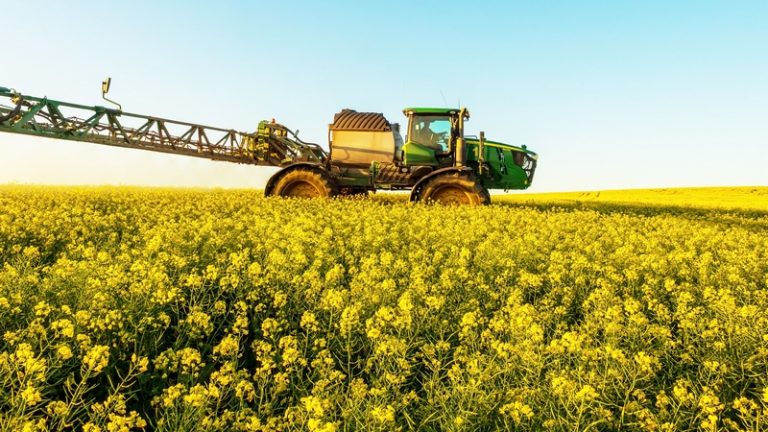
South Africa’s economy saw growth in 7 out of 10 sectors in the second quarter of 2024, according to the latest GDP report from StatsSA. The finance, trade, and manufacturing industries were among the top performers, along with energy, business services, construction, and real estate. However, three key sectors – transport, agriculture, and mining – experienced declines, raising concerns, particularly in agriculture, which recorded a 2.1% drop in output.

Agriculture’s Struggles in 2024

The agriculture, forestry, and fishing sectors contributed negatively to GDP growth in Q2 2024. This was mainly due to reduced economic activities in field crops and animal products. The sector’s contraction led to a contribution of -0.1 percentage points to the overall GDP, highlighting the difficulties facing South Africa’s agricultural industry during this period. The decrease in agricultural production affects not only rural economies and jobs but also poses a risk to food security and the sector’s long-term sustainability.

The Importance of Economic Statistics

Accurate economic statistics, like those from StatsSA, are critical for informed decision-making. These data allow policymakers, business leaders, and farmers to understand trends and allocate resources more efficiently. Knowing which sectors are underperforming enables targeted interventions, such as financial support or technology investments. For agriculture, these insights are invaluable for addressing challenges like climate change, load shedding, and market conditions, ensuring a more sustainable future for the sector.

Understanding the Root Causes

To address the 2.1% drop in agricultural output, it’s important to examine the root causes behind the decline. The sector is grappling with reduced production in field crops and animal products, challenges linked to energy disruptions like load shedding, and market volatility. Identifying and understanding these underlying issues is crucial to formulating effective, long-term solutions.

What Can Be Done to Improve Agriculture’s Performance?

Climate-Resilient Farming

Encouraging farmers to adopt climate-smart agriculture practices can help mitigate the impact of unpredictable weather patterns, such as droughts or floods. This can safeguard crop and livestock productivity in challenging conditions.

Investment in Technology

Boosting agricultural productivity through advanced technologies like precision farming, drones, and AI can enhance efficiency and yields. These innovations can assist farmers in making informed decisions on crop management and resource allocation.

Government Support and Subsidies

Increased government support, including subsidies or financial relief packages, would help struggling farmers recover and reinvest in their operations, especially during periods of low output or market instability.

Diversification

Encouraging farmers to diversify their crops and livestock products can spread risk and reduce vulnerability to market fluctuations and environmental impacts. Diversification can also open new income streams for farmers.

Infrastructure Development

Investing in rural infrastructure, such as storage facilities, transportation networks, and water management systems, can improve supply chain efficiency and reduce post-harvest losses, ensuring that agricultural products reach markets more effectively.

Research and Innovation

Strengthening collaboration between agricultural research institutions and farmers can foster innovation and improve resilience. Research can help develop new techniques and tools to address challenges like pest control, soil degradation, and water shortages.

A Path Forward for Agriculture

While the agricultural sector faces challenges, there is potential for recovery through the right interventions. By embracing modern technologies, securing government support, and fostering climate resilience, the sector can enhance its contribution to South Africa’s economic growth and ensure long-term sustainability for rural communities.

Vusi Dalicuba Wins VinLog Merlot Trophy at 2024 Michelangelo Awards

0

Vusi Dalicuba, the talented winemaker at Vergenoegd Löw Estate, is basking in the glow of his recent accolade. He secured the coveted VinLog Merlot Trophy at the prestigious 2024 Michelangelo International Wine & Spirits Awards for his 2022 Vergenoegd Löw Amalie Merlot. This wine also achieved a remarkable score of 90 points in the 2024 South Africa Special Report by renowned wine critic Tim Atkin MW.

The 2022 Amalie Merlot is a testament to Dalicuba’s dedication and the unique terroir of Vergenoegd Löw. Located just 3 km from the Atlantic Ocean in Stellenbosch, the estate’s lime-rich soils, infused with maritime fossils, contribute to the wine’s distinct elegance and depth. Dalicuba, who holds a Masters in viticulture and oenology, joined the estate in 2021 and continues to craft wines that reflect the estate’s heritage and innovation.

In addition to his recent triumph with the Amalie Merlot, Dalicuba’s 2022 Lara Cabernet Sauvignon earned him the runner-up title at the inaugural 2024 Next Generation Awards and a 95-point score. This same Cabernet also secured a gold medal at the Michelangelo Awards, further cementing his reputation as a rising star in South African winemaking.

Vergenoegd Löw, one of South Africa’s oldest working farms, dating back to 1696, has undergone a significant transformation since 2015 under the ownership of Prof Dr Dr Peter Löw. The estate now boasts new-generation vineyards, two restaurants, indigenous gardens, and luxurious accommodations, making it a sought-after heritage destination. It’s also a proud WWF Conservation Champion, emphasizing regenerative farming practices.

Visitors can experience the award-winning wines firsthand in the Homestead Wine Lounge, housed in the estate’s restored 1717 manor. The 2022 Merlot, a rich and full-bodied wine with dark fruit and herbal notes, pairs perfectly with a variety of dishes. Chef Drikus Brink, together with Errieda du Toit, will be offering special Cape heritage menus this September to celebrate Heritage Month, providing the perfect opportunity to taste this exceptional wine.

For those eager to explore Vergenoegd Löw’s offerings, reservations can be made through their website, with wines available for purchase online and delivered across South Africa.

ABC Pumps Offers Tailored Solutions for Efficient Resource Management

0

Water and energy are, and will continue to be, the most sought-after resources as society progresses into the future. Ensuring the prudent and efficient use of these resources is essential for achieving a sustainable and prosperous future for both current and future generations.

ABC Pumps Western Cape stands as a leading wholesale pump company, specializing in tailored pump solutions for a diverse and extensive customer base. The company is dedicated to understanding customers’ specific needs and providing cost-effective solutions to complex pump-related challenges. While proudly representing various renowned pump brands, ABC Pumps also imports a wide range of pumps, focusing on delivering pump system solutions at competitive prices to ensure customer satisfaction and value for money.

With expertise spanning agriculture, building services, industrial, and municipal pump applications, ABC Pumps has established strong relationships with experienced customers capable of providing turn-key systems and maintaining stock of the comprehensive product portfolio.
ABC Pumps Western Cape remains committed to guiding customers toward meticulously considered and fitting pump solutions that meet specific requirements.

For more information visit www.abcpumps.co.za

Celebrate Local Flavours at the Waterblommetjie Festival 2024!

0

The annual Waterblommetjie Festival returns on Saturday, 7 September, promising a day of fun and excitement for the whole family. Windmeul Kelder and Rhebokskloof Estate, just outside Paarl, will host a range of festivities starting at 08:00, with free entry to the event. Get ready to experience the magic of the waterblommetjie, a beloved delicacy indigenous to the Boland area of the Western Cape.

The waterblommetjie, also known as Cape Pond Weed or Vleikos, is a rare treat harvested only for a short period each year. Rich in vitamins, this versatile plant has been used for centuries, from its medicinal roots in KhoiKhoi culture to its key role in the traditional waterblommetjiebredie (stew), a true heritage dish. This festival celebrates the uniqueness of this seasonal ingredient in a variety of innovative and delicious ways.

Taste Sensations

At Rhebokskloof, Cellarmaster Rolanie Lotz and the estate’s chef have teamed up to create waterblommetjie-inspired dishes paired with award-winning wines. Expect a sensory delight with creations like waterblommetjie sushi, fritters, and smoked snoek tarts, all perfectly matched with Rhebokskloof’s finest wines. Wine pairing sessions run throughout the day for R350 per person—be sure to reserve your spot via Dineplan!

For those looking for a more immersive dining experience, the four-course gourmet dinner is not to be missed. Indulge in dishes such as togarashi tuna with crispy tempura waterblommetjie, lamb and waterblommetjie stew, and a dark chocolate tart with candied waterblommetjie ice cream. This culinary adventure, priced at R550 per person, is a treat for all food enthusiasts.

Outdoor Adventures Await

For outdoor lovers, the festival offers something special. Windmeul Kelder’s Run the Vines trail run includes routes from 3km to 17km, while Rhebokskloof presents family-friendly mountain biking trails. Choose between a relaxed 10km ride or take on the 30km E-MTB outride—an adventure for every skill level!

Entertainment and Family Fun

Throughout the day, live music will set the festive mood, with performances from local favourites like Wynand Windpomp and Vosloo Bekker. Kids can enjoy face painting, balloon twisting, and plenty of outdoor play areas at both venues, making this a perfect family outing.

Stock Up on Local Wines

Wine enthusiasts are in for a treat! Stock up on exceptional wines, with specials available at both Windmeul and Rhebokskloof. From Chenin Blancs to Shiraz, there’s a bottle for every palate.

Entry to the festival is free, but attendees are encouraged to bring a canned food donation in support of the Athlone House of Strength, a shelter for abused women and children.

Gather your family and friends for an incredible day of food, wine, and outdoor adventure at the Waterblommetjie Festival!

For more information visit www.waterblommetjiefees.com

Gallop into the magic of the South African Lipizzaners

0

In the vineyards of the Western Cape, the South African Lipizzaners continue to captivate audiences with their elegance and precision. These magnificent horses, renowned for their dazzling white coats and noble bearing, have become an integral part of South Africa’s equestrian heritage.

The story of the Lipizzaners dates back centuries to their origins in Europe. These magnificent horses, bred for battle, were first developed in the 16th century by the Habsburg monarchy. Over time, they became known for their elegance and strength, famously associated with the Spanish Riding School in Vienna. During World War II, their survival was threatened, but through daring efforts, they were saved and eventually brought to South Africa in 1960. Their lineage continues today, with the South African Lipizzaners being direct descendants of those original horses.

In 2021, the South African Lipizzaners found a new home at the Mistico Equestrian Centre in Paarl. This move marked a new chapter for the Lipizzaners, who had spent over 60 years in Kyalami.

At Mistico Equestrian Centre the Lipizzaners continue to showcase the art of classical dressage, a tradition dating back centuries. Their performances are a blend of choreography, music, and horsemanship, offering spectators a glimpse into a world where horse and rider move as one.
Each performance is a carefully orchestrated display of discipline and grace, with the Lipizzaners executing intricate maneuvers that were originally designed for battle.

What makes these performances truly special is the connection between the horses and their riders. The bond is evident in every movement, as the Lipizzaners respond to the slightest cue with precision and poise.
Audiences are left in awe as these majestic creatures perform seemingly effortless pirouettes, levades, and other classical dressage movements to the rhythm of enchanting music.

The South African Lipizzaners’ performances are more than just a display of skill – they are an immersive experience that transports the audience into a world of elegance and history. Whether you’re a long-time admirer of these noble horses or a first-time spectator, the Lipizzaners offer a captivating experience that is not to be missed.

Experience the Magic of Lipizzaners

Mark your calendars for NAMPO Cape 2024, taking place from 11–14 September in Bredasdorp. Don’t miss the daily performances in the Western Cape Lubricants Arena. Come and witness the grace, power, and beauty of these incredible horses. Secure your tickets today, and be part of an unforgettable experience!

Witness the magic visit www.lipizzaners.co.za for future performances!

South Africa Faces Potential Potato Shortage: What You Need to Know

0

Recent headlines have raised concerns about a potential potato shortage in South Africa, with warnings that prices could soar to as much as R200 for a 10kg bag. While the situation is serious, it’s important to approach these warnings with a balanced perspective.

The concern stems from severe and prolonged frost in early July, which had a significant impact on potato crops in Limpopo, one of the country’s key potato-producing regions. According to Mohammed Adam of M&R Marketing at the Cape Town Fresh Produce Market, this cold spell was the worst seen by farmers in two decades, leading to considerable crop damage. Adam has advised the public to be prepared for stock shortages and potential quality issues as a result.

However, despite these challenges, it’s crucial to note that the overall impact on South Africa’s potato supply might not be as dire as some predictions suggest. PotatoesSA, an industry body, conducted a survey among Limpopo farmers, which indicated an expected loss of 32% of potatoes across 3,674 hectares. While this is a significant loss, it only represents about 3% of the country’s total potato crop, which averages 250 million bags annually.

FP Coetzee, the information manager at PotatoesSA, has reassured the public that while a shortage is expected, the situation is not as catastrophic as some media reports have implied. He describes the current level of concern as “over-the-top” and believes that while prices may rise, the extreme predictions of R200 per 10kg bag may not materialize across the board.

For consumers, this means that while potato prices are likely to increase in the coming weeks, particularly through September, there’s no need to panic. Potatoes will remain available, albeit at a higher price, and the market is expected to stabilize as the year progresses. Retailers and consumers are encouraged to remain patient and understanding as the industry navigates this challenging period.

In summary, while South Africa is indeed facing a temporary potato shortage due to the severe frost in Limpopo, the situation is under control, and extreme price hikes are not guaranteed. It’s essential to stay informed but avoid unnecessary panic. The industry is working hard to manage the situation, and improvements are expected by November as new crops come in and prices begin to normalize.

PwC Report Highlights Key Strategies for Growth in South Africa’s Agricultural Sector

0

A recent report by PwC highlights that trust is the foundation of our future socio-economic development, a principle that is especially relevant for South Africa’s agricultural sector. The report delves into the significance of trust, social capital, and economic assessments as critical factors that can shape the sustainability and growth of various industries, including agriculture.

Trust and Economic Assessments in Agriculture

Agriculture, as a vital component of the South African economy, is deeply intertwined with the socio-economic fabric of the country. The PwC report underscores the importance of trust as a cornerstone for economic development, fostering cooperation, reducing transaction costs, and encouraging innovation. For agricultural businesses, this means building trust with stakeholders – farmers, consumers, government bodies, and investors—is paramount. Demonstrating a commitment to responsible practices and transparently communicating the impacts of their operations can enhance trust and loyalty among these groups.

Economic impact assessments, as discussed in the report, are particularly relevant to the agricultural sector. These assessments allow agricultural enterprises to measure their contribution to the economy, such as job creation and GDP impact, and track progress over time. This data-driven approach not only strengthens the sector’s credibility but also provides a foundation for informed decision-making, especially in the face of policy shifts and economic uncertainty.

Climate Change Strategies: A Critical Focus

Perhaps the most pressing aspect for agriculture is the report’s emphasis on climate change strategies. The sector is on the front lines of climate change, facing challenges like water scarcity, shifting weather patterns, and the need for sustainable farming practices. The PwC report suggests that evaluating approaches to decarbonisation, water management, and waste reduction through economic and social lenses is crucial for the future of agriculture. By adopting these strategies, agricultural businesses can mitigate the socio-economic impacts of climate change, ensuring long-term sustainability.

In summary, the report’s insights offer a strategic roadmap for the agricultural sector, highlighting the need for trust-building, robust economic assessments, and proactive climate change strategies. By embracing these concepts, South Africa’s agricultural industry can not only thrive but also contribute significantly to the country’s broader socio-economic development.

Read Report here: South Africa Economic Outlook 2024 (pwc.com)

Diemersdal Cabernet Sauvignon Wins 2024 General Smuts Trophy

0

For the second successive year a wooded Cabernet Sauvignon – this time from Diemersdal Estate in Durbanville – excelled by clinching the prestigious General Smuts Trophy Trophy as overall SA Champion Young Wine of 2024, after also being named as the country’s Best Cabernet Sauvignon (wooded) at the SA Young Wine Show.

Diemersdal Estate has also won the General Smuts Trophy twice before, in 2013 with a Sauvignon Blanc and in 2022 with a wooded Shiraz. The General Smuts Trophy has been awarded annually since 1952.

Perdeberg Wines bagged the Pietman Hugo Trophy for the winery achieving the most points with its five best entries – this being the first time that Perdeberg wins this trophy. Perdeberg excelled by winning no less than four National Trophies, also as the only cellar winning more than one National Trophy, namely the Perdeberg Chenin Blanc (wooded), Perdeberg Viognier (wooded – other white cultivar), Perdeberg Natural Sweet White Wine and Perdeberg Malbec (wooded – other red cultivar).

This annual show for wines from the current vintage year is presented by the SA National Wine Show Association (SANWSA) in collaboration with Agri-Expo.

The General Smuts Trophy was last year also awarded for a Cabernet Sauvignon. It is the seventh time in the existence of this 192year-old competition – the oldest of its kind in the world – that this cultivar clinches this big one, the 73rd time of it being at stake. Wellington Wines won this coveted trophy last year with its Cabernet Sauvignon, following Wildekrans Estate in 1996, Muratie Estate in 1995, JP Bredell Wines in 1993, Saxenburg Estate in 1991 and Klein Constantia Estate in 1988.

This competitions’ impressive array of trophies was announced today (23 August) at a glamorous gala dinner presented by Agri-Expo in die Percheron Hall at Elsenburg Agricultural College. Altogether 48 wines achieved Class Winner status and 133 won Gold Medals.

Like last year, there was an increase in entries, a clear indication that the oldest wine show in the country is gaining further momentum. The judges agreed that the quality of the 2024 wines is excellent, despite a vintage year that posed plenty of challenges to winemakers due to difficult climatic conditions during the growing and harvesting periods.

This year’s 1 387 entries were evaluated by 88 specialist judges on 14 panels. The judging took place at the end of July in the Johann Graue Hall at Nederburg in Paarl over a period of five days, before the champions in 17 classes were named, as well as the two trophies for Best Wine and Best Producer. The specialist panels comprised five members each and a sixth learner-taster joined each panel for training without their scores being included.

A special bottle sticker was introduced in 2013 to feature on the bottles of the General Smuts Trophy wine and thereby show-off the overall best young wine of the year in the marketplace. This has led to more top trophy winners being bottled as such in recent years instead of losing their identity through blending.

The rest of the SA Champions are:

Sauvignon Blanc: Stettyn Wine Cellar

Chardonnay: De Wet Cellar, Chardonnay (wooded)

Sémillon: Cederberg Cellar

White Blended Wine: Badsberg, Chenin Blanc/Chardonnay (wooded)

Noble Late Harvest Wine: Van Loveren Family Vineyards

Shiraz: Stellenbosch Hills, Shiraz (wooded)

Pinotage: Wellington Wines, Pinotage (wooded)

Merlot: Montagu Winery Merlot

Red Blended Wine: Botha Cellar Cabernet Sauvignon/Shiraz/Merlot/Pinotage/Durif/Ruby Cabernet (wooded)

Dessert Wine: Boplaas Estate, Hanepoot Jerepigo

Muscadel: Aan de Doorns Winery, Rooi Muskadel Jerepigo

Cape Style: Jakkalsvlei Vineyards:  Any Other Cape Style Blend

Paarl and Breedekloof/Worcester fared the best as wine regions with five National Trophies each, followed by Klein Karoo three, Stellenbosch two and Robertson and Cederberg one each.

The chairperson of the SA Young Wine Show, Christo Pienaar, said that the quality of this year’s young wines was particularly high despite numerous challenges facing the winemakers. Consumers can look forward to the quality wines made this year to be enjoyed once bottled. “It’s noticeable that the national winners originate from all over the wine production areas, as well as a variety of winery types. I wish to congratulate all the cellars with their achievements and thank them for their ongoing support.”

The organisers emphasised that the SA Young Wines Show is liberally supported by suppliers to the industry and last year’s financial partners again committed themselves to building out the show. The five companies involved are well-known in the industry, namely Anchor Oenology, Enartis, Laffort, Nexus and Standard Bank. Their highly appreciated contributions will ensure a bright future for the Young Wine Show which is known as “the jewel of the industry.”

Overseas visit for top winemakers

One winemaker each from Diemersdal and Perdeberg, as winners of the General Smuts and Pietman Hugo Trophies respectively, can look forward to a sponsored six-day overseas trip – thanks to a longstanding partnership entered in 2019 between the SANWSA and POREX – a prominent Paarl-based supplier of machinery, winemaking equipment and vinicultural products to the industry. These winemakers will this year attend the Simei wine show in Milanand visit prominent wineries in the Bolzano area.

Western Cape Welcomes Resumption of Thoroughbred Horse Exports to EU

0

Western Cape Minister of Agriculture, Dr Ivan Meyer, has welcomed the news that the export of thoroughbred horses from South Africa to the EU has resumed after a 14-year absence.

Minister Meyer’s comment comes following the departure of a consignment of 32 horses to the European Union (EU) on Saturday, 17 August 2024.

Minister Meyer said, “This is fantastic news and a boost to our breakout economic vision to triple the value of Western Cape exports of goods and services (inclusive tourism) to R450 billion as we work towards creating a trillion-rand Western Cape Economy by 2035.”

“This was the first direct export of horses to the European Union (EU) since December 2010. It was the result of many years of hard work through a public-private partnership between the Western Cape Department of Agriculture, Veterinary Services, the Department of Land Reform and Rural Development, SA Equine Health and Protocols (SAEHP), and the various sectors of the equine industry”, added Minister Meyer.

Minister Meyer continues, “The Western Cape Government believes in partnerships and collaboration. We are therefore appreciative of the significant role played by our partners in completing this project successfully. I am also excited that further exports are planned for as early as mid-September, which signals a resounding vote of confidence in the work being done by the public-private partnership.”

The SAEHP highlighted that since December 2010, when the EU no longer allowed the direct export of horses, horses destined for the EU have had to be exported via Mauritius.

South Africa’s internationally acclaimed racehorse trainer Mike de Kock commented, “Having competed with South African runners in countries around the world, including the United States, the UK, Dubai and Hong Kong, I can tell you that our global participation in racing has a significant impact on our local industry and its thousands of employees. The first direct shipment to the EU in 14 years has been completed, a pertinent and potentially beneficial turning point for horseracing and breeding in our country. It’s a game changer.”

Leading bloodstock consultant Jehan Malherbe of Form Bloodstock said, “That we’re able to export again is a welcome development I hope will open doors around the world. The price in South Africa is right, and the costs are relatively low. You can buy yearlings here and start them here. They can be shipped out to overseas buyers. The costs of failure for potential investors are much less.”

According to the Western Cape Department of Agriculture’s senior state veterinarian, Dr Vivian Malan, the EU added South Africa to the list of countries approved to export horses in May 2024 after an audit team visited South Africa in October 2022.

Dr  Malan commented, “The rigorous control measures in place to control the movement from the  African Horse sickness-infected area into the control area in the Western Cape was the main reason for allowing the export of horses again.”

Dr Malan continues, “Before horses can be exported, they must be quarantined at an approved quarantine facility. State veterinarians attached to the WCDOA’s Boland Veterinary Office oversee the quarantine, monitor the horses’ health during the quarantine, and certify the horses for export before departure.”

Minister Meyer said that the direct export of horses to the EU results in a significant increase in sales of horses in the Thoroughbred and Endurance horse industry, which will significantly boost the local economy and create jobs locally and in other provinces.

“An estimated 177 000 people are supported by employment in the thoroughbred horse racing and breeding industry alone, with many more jobs in the rural areas provided by other sectors of the equine industry. The ability to export horses to the EU will protect these jobs,” concluded Minister Meyer.


TE Tours: Sri Lanka… the travel secret of those in the know!

0

Formerly Ceylon and once the mystical Serendip (hence ‘serendipity’), Sri Lanka, with its eight World Heritage Sites, is rich in natural beauty and man-made wonders: pristine rainforests, tropical spice plantations, and picturesque tea plantations in the cool highlands. The rich Buddhist culture is evident in the friendly Sinhalese people and the impressive colourful Dambulla Rock Temples. The country boasts a glorious historical legacy, such as Polonnaruwa, the ancient capital, but the highlight is Sigiriya – the impregnable and mystical rock fortress.

Sigiriya, also known as Lion Rock, towers almost 200 meters above the surrounding forest and has been inhabited since the third century. Surrounding the massive rock are shady gardens and symmetrical water channels based on a complex (and still functioning) hydraulic system. Even if the many stairs to the top deter you, there is plenty to rejuvenate your soul.

Halfway up the rock is a series of ancient rock paintings of sensuous female figures. The origin of these magnificent artworks is unknown, but the Hindu influence from India is clear. Further past the so-called Mirror Wall, up to the giant carved lion paws, with steps winding against the rock face, and you’re at the top. Besides the ruins of the former palace, even with swimming pools carved out of rock, it is the breathtaking view over the surrounding green forest that will leave you gasping for breath.

Combine the marvel that is Sri Lanka with stunning South India – rock hewn temples of Mahabalipuram, the impressive Meenakshi temple of Madurai to the beautiful tranquil backwaters of Kerala – and you have an awe-inspiring epic journey that will enchant and enrich and probably end up at the top of your favourite travel memories.

This boutique small group tour departs in February 2025.

For more information contact TE Tours at Club Travel Tygervalley
021 914 2265 or [email protected]
www.smallgrouptours.co.za