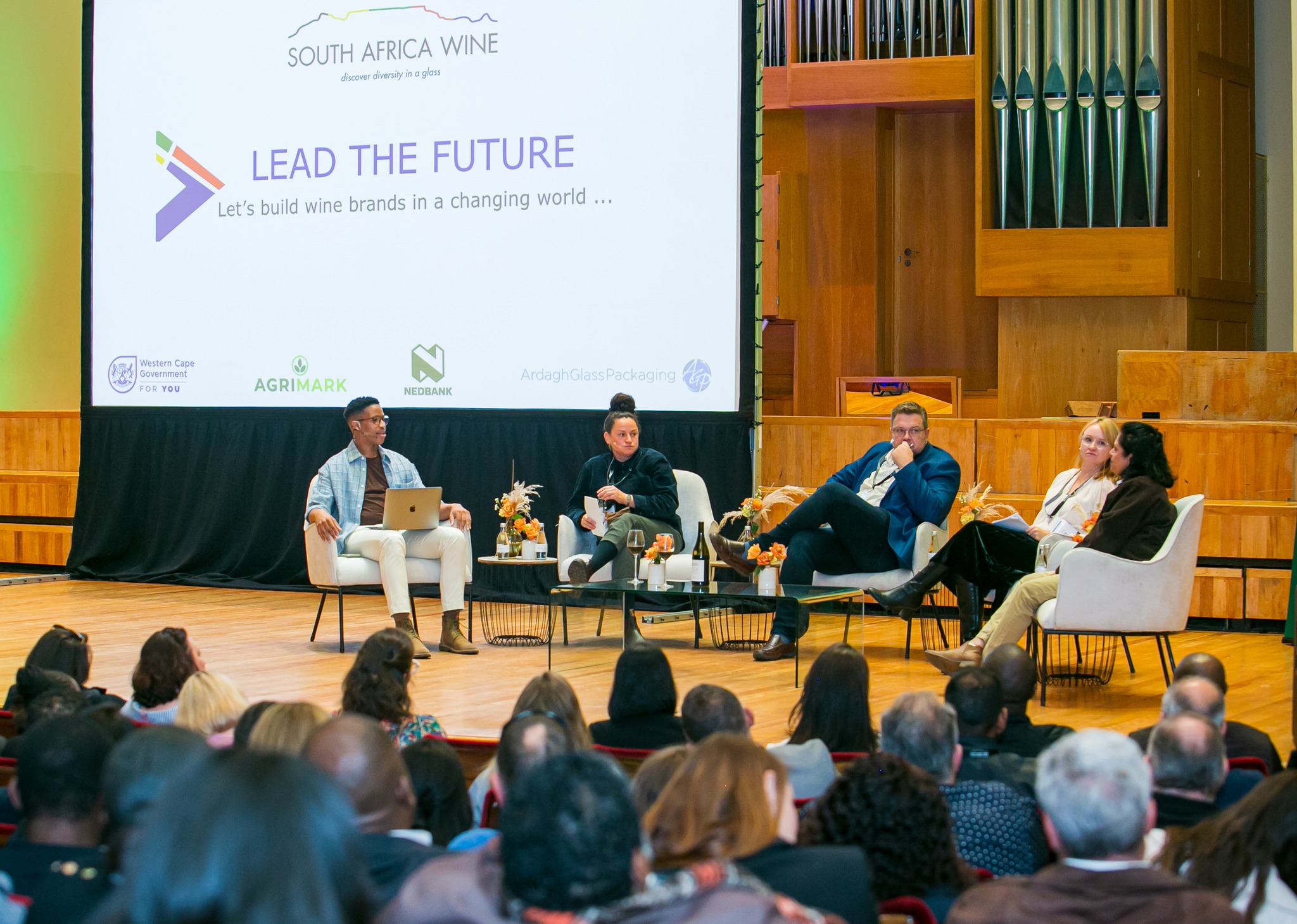
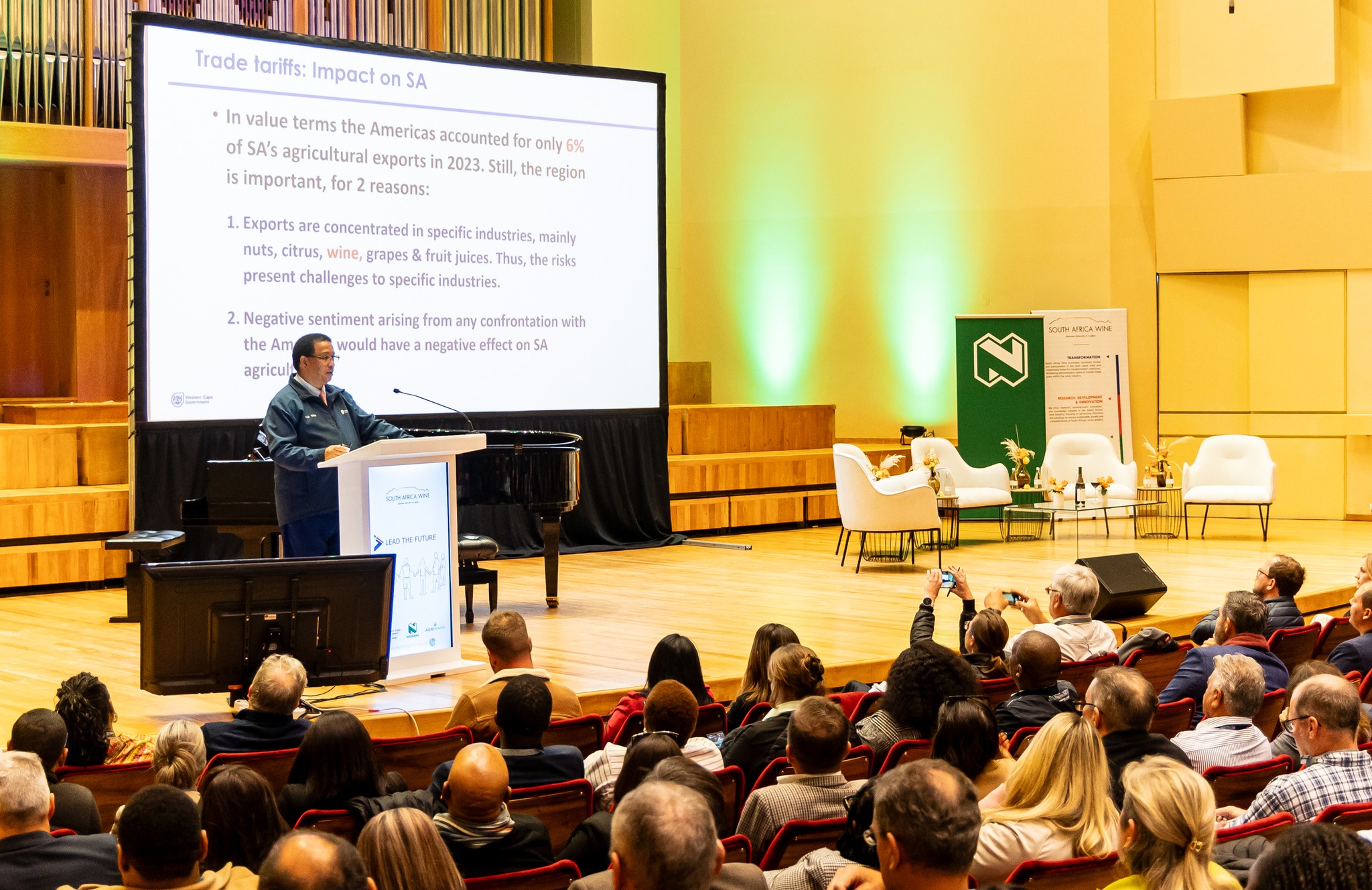
The Wine Tourism Conference, South Africa’s leading event dedicated to the advancement of wine tourism, will return for its ninth edition on 8 May 2025. Hosted at the esteemed Lanzerac Wine Estate in Stellenbosch, the conference will explore the theme ‘Delivering Experiences That Inspire.’
Bringing together industry leaders, tourism professionals, and wine enthusiasts, the event seeks to showcase innovative practices and strategies shaping the future of wine tourism. Among the notable speakers are Robin Shaw from Wine Tourism Australia, Jerry Mpufane of The Moreti Partnership, Debra Fox of Fox Brown Creative, Marisah Nieuwoudt from SA Wine, and Andrew Kamphuis of Commerce 7. Their insights are expected to provide valuable perspectives on the evolving landscape of wine tourism.
Catalyst for Growth and Innovation
The conference serves as a significant platform for collaboration, knowledge-sharing, and industry growth. Discussions will revolve around emerging trends, sustainability in wine tourism, marketing strategies, and the enhancement of visitor experiences. Delegates will have the opportunity to engage in meaningful conversations with experts, explore potential partnerships, and gain a deeper understanding of global best practices.
The role of wine tourism in boosting South Africa’s economy and positioning the country as a top-tier destination will be a key focus. Stellenbosch, regarded as the heart of the nation’s wine industry, offers a fitting backdrop for this prestigious event, allowing participants to experience the region’s renowned hospitality and rich winemaking heritage firsthand.
This conference is an essential event for professionals aiming to stay ahead in the competitive world of wine tourism. It promises to offer valuable insights, inspire innovation, and contribute to the continued success of South Africa’s wine tourism industry.
Finally, it’s here! The highly anticipated release of the 2025 Durbanville Sauvignon Blanc from Cape Town’s Northern vineyards has been signed off. Now, you can be among the first to taste this exceptional creation produced by a 10-winery collaboration in South Africa’s leading region for Sauvignon Blanc at an exclusive soirée on May 9.
Tickets to the annual showcase of South Africa’s cool climate champion sell out fast, so early booking is essential.
This is the fourth year that the eagerly awaited Durbanville Sauvignon Blanc has been made in a region famous for its cool climate that allows for the optimal development of fruit. Since 2022 when the collaboration to create a South African super Sauvignon Blanc began, the best fruit from farms across the valley were combined with winemaking talents to create the wine.
As with the previous year, fruit was received from Diemersdal and De Grendel as well as Bloemendal, D’Aria, Durbanville Hills, Groot Phesantekraal, Klein Roosboom, Maastricht, Meerendal and Nitida. The responsibility for compiling the final blend has been shared over the years, and once again fell this year to Diemersdal, which has been internationally recognised for its outstanding prowess with the variety.
“This year may very well be one of the best we’ve experienced,” says Diemersdal’s Thys Louw.
Winemaker Juandré Bruwer, who oversees the blend with Mari Branders, agrees: “This vintage truly excites me,” he says. “It’s one of those rare years where everything has aligned perfectly.”
Underscoring the quality of the 2025 Durbanville Sauvignon Blanc is a ream of awards achieved by the region’s producers in the past year alone. These include five stars at Platter’s South African wine guide for 2023 vintages of Diemersdal The Journal and Wild Horseshoe Sauvignon Blanc; Bloemendal Suider Terras 2018; Groot Phesantekraal Marizanne 2023 and Nitida Coronata Integration 2023.
Two regional wines were included in the country’s Top 10 Sauvignon Blancs – the Diemersdal Winter Ferment Sauvignon Blanc 2024 and Maastricht The Contour Sauvignon Blanc 2023 (wooded). While at the Concours Mondial de Bruxelles’ South Africa Selection, Klein Roosboom’s Limited Release Sauvignon Blanc 2023 clinched one of only four Grand Gold medals awarded.
Wineries that featured in the top echelon of award-winners at the Michelangelo International Wine and Spirit Awards last year were Durbanville Hills, which was named Top Producer, as well as Nitida, De Grendel and D’Aria. At the IWSC (International Wine and Spirit Competition), these were Diemersdal and De Grendel again.
Notably, Groot Phesantekraal’s André Brink was named Provincial and National Farmer of the Year by the Agricultural Writers SA (AWSA).
More Than a Wine—A Symbol of Community
In terms of the 2025 Durbanville Sauvignon Blanc, Juandré says the collaboration is what makes Durbanville so special. “It’s testament to a dedicated and progressive community open to sharing knowledge and support, and which I’m proud to be a part. This wine embodies everything Durbanville, from the soils and personalities to the values we stand for.”
Hallmarks of the latest vintage were typical for the making of another record-breaking wine. The season was defined by steady ripening, naturally high acidity and low pH. Harvest produced above-average yields and wines that showed remarkable flavours, characterised by a blend of minerality, tropical fruit, and subtle greenness.
As has become tradition, the new vintage of this particular wine is to be welcomed at a time when Sauvignon Blanc lovers around the world celebrate the variety on International Sauvignon Blanc Day, this year on May 2.
In addition to tasting the 2025 Durbanville Sauvignon Blanc, guests will get to enjoy a selection of Sauvignon Blanc Top 10 wines, compliments of Sauvignon Blanc SA. Each ticket includes tastings from 10 Durbanville wine farms, two arrival canapés by Cassia Restaurant, and live music by Gerry Liberty.
The 2025 Durbanville Sauvignon Blanc sells for R120/bottle and is available for purchase from the participating wineries.
On April 17, 363 years ago, the seeds for one of South Africa’s most significant agricultural industries were sown—quite literally. On 17 April 1662, Dutch Governor Jan van Riebeeck made a humble, but historic diary entry in the Company Gardens in Cape Town:
“Heavy drizzle in the morning and a strong north-westerly wind blowing in from the sea. Today the first two ripe Dutch apples were picked in the Company’s nursery garden… This type of apple is known as a Wijnappel.”
This moment marked the birth of the South African apple industry, now a cornerstone of the country’s agricultural economy. Each year on April 17, Tru-Cape Fruit Marketing, South Africa’s largest apple and pear marketer, commemorates this milestone—honouring the roots of an industry that feeds the world and sustains thousands of local livelihoods.
From two apples to a global industry
Those first apples, Wijnappels picked from a tree just 1.5 metres tall, may have seemed modest in size—but they were the start of something extraordinary. Today, South Africa is one of the Southern Hemisphere’s top apple exporters, with apples grown in regions such as the Western Cape, Eastern Cape, and even Limpopo.
According to Henk Griessel, Tru-Cape’s Quality Assurance Manager and co-author of Early Apples at The Cape, April 17, 1662, is a date every South African apple grower should remember.
“It’s where our story began. The fact that Tru-Cape continues to preserve older varieties in our Heritage Orchard at Oak Valley Estate in Grabouw shows our commitment to honouring the past while preparing for the future.”
The South Africa apple industry turns 363 on April 17. The first two Wittewijn apples were harvested in Cape Town’s Companies Garden on this date in 1662 – a moment that seeded an industry now exporting nearly 50 million cartons of apples each year. Image: Tru-Cape Fruit Marketing
As the single largest marketer of apples and pears from Ceres Fruit Growers and Two-A-Day Group, Tru-Cape is at the forefront of this dynamic sector. With a grower base representing more than 20% of the country’s apple exports and supplying 105 markets with South African apples, Tru-Cape is instrumental in opening new markets, ensuring fruit quality, and driving innovation from orchard to export terminal.
“Tru-Cape’s role goes far beyond marketing—we’re involved in everything from cultivar innovation, quality assurance, and sustainability to investing in market access and technology that improves traceability and efficiency,” says Roelf Pienaar, managing director of Tru-Cape.
“The birthday of our industry is a reminder of the legacy we’re entrusted with—and the future we’re building.”
A modern industry: Opportunities and challenges
South Africa’s apple industry remains a vital economic driver – supporting thousands of jobs, generating export revenue, and contributing significantly to food security. The country’s apples are enjoyed across Africa, Asia, the Middle East, Europe, America, Canada and Mexico, with new market access to countries like Thailand promising even greater expansion.
Yet the industry also faces serious challenges. Climate change is reshaping growing conditions, prompting a wave of innovation in varietal development, irrigation, and crop protection. Logistical bottlenecks, including port inefficiencies and transport constraints, continue to test growers and exporters. Rising input costs and regulatory changes (such as the EU’s Green Deal) demand smarter, more sustainable farming practices.
Despite this, the South African apple industry is evolving rapidly—embracing technology, data-driven farming, and international collaboration to secure its future.
Honouring the past, growing the future
As Tru-Cape celebrates the 363rd anniversary of that first apple harvest, it’s clear that this is more than just a birthday—it’s a reminder of how far the industry has come and how much promise lies ahead.
“From two apples to close to 50 million cartons exported each year, the story of South African apples is one of resilience, innovation, and growth,” says Roelf. “We’re proud to carry that legacy forward, one apple at a time.”
Celebrate with us!
On April 17, we invite all South Africans to bite into a fresh, locally grown apple and reflect on over three centuries of dedication, growth, and innovation in our fruit industry.
Let’s raise a toast (or a crunch!) to every grower, picker, packer, and partner who made this legacy possible.
Join the celebration online by congratulating the industry on social media, and remember to tag @TruCape in your posts. Use the hashtag #AppleDaySA or #HappyBirthdaySAAppleIndustry.
For more information, please contact Lucille Botha at [email protected] or visit www.tru-cape.com. Follow Tru-Cape on X (@TruCapeFruit), Facebook (@Tru-Cape Fruit Marketing), TikTok (@trucape), and Instagram (@trucapefruit).
Van 13 – 16 Mei 2025 gaan Nampo Park buite Bothaville weer die tuiste wees van die grootste landbouskou in die Suidelike Halfrond. Dit is die 57ste aanbieding van die ikoniese Nampo Oesdag wat vanjaar die tema “Globale Landbou, Plaaslik!” dra – ’n gepaste boodskap vir ‘n sektor wat al hoe meer wêreldgebonde raak, maar steeds sterk plaaslik geanker is.
Agtergrond en Groei
Die Nampo Oesdag is sedert 1967 ‘n hoeksteen van die Suid-Afrikaanse landboukalender. Wat begin het met 200 produsente op ‘n plaas buite Bloemfontein, het gegroei tot meer as 920 uitstallers wat nou hul produkte en dienste oor 40 ha van Nampo Park ten toon stel. Dit is meer as net ’n uitstalling – dit is ’n dinamiese sakeplatform waar tegnologie, kennis en kommersiële interaksie saamvloei.
Vir produsente: kennis, netwerk en oplossings
Nampo 2025 is veel meer as net ‘n uitstalling – dit is ’n strategiese platform waar boere toegang kry tot die jongste tegnologie, kundigheid en oplossings wat direk in hul boerderypraktyke toegepas kan word. Met meer as 920 uitstallers kan produsente self gaan kyk wat werk, pryse vergelyk en reguit met kundiges praat wat oplossings bied.
Produksiespesifieke areas soos die Yara-beeskompleks, BKB-skaapkompleks en die TAU Veevoer-arena verskaf waardevolle insigte in stamboerdery, wolklassifisering, skeertegnieke en voedselaanvullings. By die Nasie in Gesprek-reeks kan produsente waardevolle insig verkry deur na kenners te luister wat gesels oor kwessies soos verkiesings, marktoegang en landbou-ondersteuning, en dit bied ook die geleentheid om te netwerk met ander rolspelers in die bedryf. Of jy kom om navorsing te doen, aankope te beplan, inspirasie te kry of met ander in gesprek te tree – Nampo bly die eenstopgeleentheid vir elke ernstige produsent in Suid-Afrika.
Wat is nuut?
Vanjaar is daar ‘n paar opwindende toevoegings tot die program:
KamersMakers: In ’n spesiale area van 200 m² op die terrein maak die gewilde KamersMakers vanjaar vir die eerste keer sy verskyning by Nampo. Hier sal keurig saamgestelde produkte – van handgemaakte kuns en dekor tot leefstylitems – aangebied word. Uitstallers vorm deel van hierdie unieke ervaring en sal hul stalletjies in dié area oprig.
Graan SA Museum: Die museum word aan die westekant van die terrein opgerig en neem besoekers op ’n reis deur die geskiedenis en groei van Nampo en Graan SA.
Plaaskombuis: Die gewilde Syngenta Boerekos Plaaskombuis is groter en lekkerder, met disse saamgestel deur Arina du Plessis en voorberei deur The Roots Academy. Van platbrood met gepluiste beesvleis tot varknekburgers – dis ‘n kulinêre fees.
Woonwapark: Naby Hek 2 is daar nou ’n moderne woonwapark met 100 kragpunte en twee ablusiegeboue – ideaal vir besoekers wat langer wil bly.
Hoogtepunte
Vroueprogram: Gehou langs die teetuin, met optredes, inspirasie en kosdemonstrasies van bekende persone soos Amore Bekker, Carli Pienaar, Ewan Strydom en sjefs soos Nadine Vosloo.
Nasie in Gesprek: ’n Reeks paneelgesprekke oor sleutelkwessies in landbou word aangebied, waar kenners en besluitnemers perspektief bied oor uitdagings en geleenthede in die sektor. Onderwerpe sluit in verkiesings, landbou-ondersteuningsdienste en veerkragtigheid tydens verandering. Bekendes soos Waldimar Pelser, Wandile Sihlobo en Moeletsi Mbeki neem deel.
Uitstallings en demonstrasies: Van Standard Bank se 4×4-baan tot Dry Ice se vriesbrand-demonstrasies, sowel as die veekomplekse vir bees en skaap waar besoekers lewendehawe kan sien en leer oor wolhantering en skeertegnieke. Volgens dr. Dirk Strydom, uitvoerende hoof van Nampo, bied die geleentheid aan produsente toegang tot wêreldkennis en oplossings wat direk op Suid-Afrikaanse omstandighede toepasbaar is. “Dis waar globale idees plaaslik wortel skiet.”
Besoekersinligting
Digitale hulpmiddels: Die Nampo 2025-toep help besoekers om hul ervaring te beplan, stalletjies op 3D-kaarte te verken en selfs video’s te kyk van wat by uitstallers aangaan. Die toepassing is beskikbaar vir aflaai op jou selfoon en bied ook roetebeskrywings, parkeerinligting en toegang tot die volledige program.Nampo 2025 beloof weer om nie net die grootste, maar ook die mees betekenisvolle bymekaarkomplek vir die plaaslike landbougemeenskap te wees.
Kaartjies is vanaf April aanlyn beskikbaar by OpenTickets met afslag vir voorafbesprekings. Die hekke is daagliks van 07:00 tot 17:00 oop.
South Africa’s agricultural exporters are catching a break after the US paused steep tariffs on 9 April 2025, dropping the rate from 30% to 10% for 90 days. With the rand firming and markets ticking up, this window offers a chance to rethink trade strategies and secure gains—here’s how.
A Temporary Reprieve: From 30% to 10%
South Africa’s tariff was 30%, a steep rate initially imposed alongside a 10% baseline tariff on all US imports under President Donald Trump’s “Liberation Day” announcement on 2 April 2 2025. Effective 9 April, this 30% “reciprocal” duty targeted key exports like citrus, wine, grapes, fruit juices, and nuts, jeopardising South Africa’s $23 billion trade relationship with the US, its second-largest partner. Trump’s 90-day pause, declared on 9 April 2025, at 4 PM EDT (10 PM SAST), suspends that 30% tariff for all countries except China (now at 125%), reverting South Africa’s exports to the 10% baseline. While AGOA’s zero-duty access isn’t restored, this rollback offers vital relief as the export season approaches.
Economic Relief and Strategic Opportunities
Wandile Sihlobo, Chief Economist at the Agricultural Business Chamber of South Africa (Agbiz), sees promise in the change. “The 90-day breather from the 30% tariffs will be a welcome development for South African agriculture and offers room for constructive conversation that would be valuable for long-term agricultural trade with the U.S.,” he said. The US, absorbing 4% of South Africa’s $13.7 billion agricultural exports in 2024, remains crucial for products like citrus and wine. At 10%, South Africa now aligns with competitors like Chile and Australia, regaining some footing. This pause also frees up space to explore growth in markets like China—where South Africa holds just 0.4% of a $200 billion agricultural import market—and the Middle East.
Rand’s Response and Market Upturn
The tariff pause has already rippled through South Africa’s markets. On 9 April , the rand traded weaker at around R19.75 against the dollar before the announcement, reflecting tariff fears and political jitters. Post-announcement at 4 PM EDT (10 PM SAST), it strengthened to R19.27 by day’s end, signalling market relief as the tariff burden eased.
Today, 10 April 2025, at 11:05 AM SAST, the rand stands at R19.31, a slight dip from yesterday but a marked improvement from its intra-week low of R19.93 earlier this week. Markets are gradually getting better, with the rand’s recovery and a 3.2% surge in the Top 40 Index at today’s open reflecting cautious optimism as traders eye South Africa’s next moves in US trade talks over the 90-day period.
Government’s Next Steps
The 90-day pause means South Africa will need to renegotiate with the US to address the 10% tariff, which still erodes AGOA benefits set to expire in September 2025, and the separate 25% tariffs on steel, aluminum, and autos that continue to impact vehicle exports worth $2 billion annually. The government is expected to use this period to seek exemptions or a new trade framework, while also looking to bolster regional trade within the Southern African Customs Union as a fallback.
How Exporters Can Benefit
South African exporters can turn this pause into progress:
US Market Retention: The 10% tariff matches competitors, helping producers hold US demand as the season nears. Locking in orders now could ensure volumes.
Negotiation Leverage: This window allows South Africa to push for AGOA renewal or tariff relief, underscoring its reliability as a US supplier.
Diversification Push: With time to manoeuvre, exporters can target unsaturated markets like China, Saudi Arabia, and the UAE, where demand for quality produce offers growth potential.
A Chance to Reset
The 90-day tariff pause turns a looming setback into a tactical opening. The 10% tariff, AGOA’s expiration, and global volatility linger as challenges, but South Africa’s agricultural sector can use this period to shore up US trade, negotiate effectively, and diversify strategically. With markets showing gradual improvement and July 8 as the deadline, proactive steps will shape how well the industry capitalises on this shift.
A mascarpone, crafted by RFG Foods in Simondium, was crowned the 2025 Dairy Product of the Year at the prestigious South African Dairy Awards on Tuesday 8 April 2025 at Eensgezind outside Durbanville.
The winning mascarpone with fig and pecan nuts, made especially for Woolworths by RFG Foods, was one of a record-breaking 1110 dairy products from 77 manufacturers that competed in the 2025 SA Dairy Championships, the biggest and longest-running dairy competition in Africa.
A panel of 103 expert judges representing 47 companies adjudicated the entries over three days. A total of 114 products received SA Champion awards as class winners, while 30 products were honoured with the prestigious Qualité mark, the only mark of excellence in the South African dairy industry (see the full list of crème de la crème below).
“Being awarded Product of the Year in a competition of this calibre is the ultimate accolade for any dairy producer,” says Graham Sutherland, chief judge of the SA Dairy Championships. “This rich, sweet, and indulgent dessert cheese stands out for its harmonious blend of fig and pecan nuts with smooth mascarpone. It creates a dreamy flavour experience and leaves a lasting impression.”
Robert Sudell, Operations Manager of RFG Foods, says their team is incredibly proud to win Product of the Year for the second time in three years.
“Italian cheeses have been a speciality at RFG Foods for many years,” says Sudell. “Our artisanal cheese team, led by Kerwick Boonzaaier, are true experts, crafting cheese that are some of the best in the world. We also congratulate Agri-Expo on the 192nd SA Dairy Championships and their ongoing support of innovation and excellence.”
Breyton Milford, General Manager of Agri-Expo, the host of the competition since 1834, says the SA Dairy Championships showcases exceptional South African dairy products, celebrating their diversity and quality, as well as the industry’s economic contribution.
According to Milford, this year’s record number of entries and results reflect an innovative industry and healthy competition between large manufacturers and small-scale entrepreneurs. “Congratulations to Fair Cape Dairies for winning six Qualité awards; Lactalis South Africa with four; Fairfield Dairy with three; Dalewood Fromage, Fairview, Klein Rivier Cheese, Ladismith Cheese and Lancewood, each with two; and all other deserving winners.”
SECOND GAME CHANGER AWARD CELEBRATES YOUNG TALENT
Agri-Expo honoured 31-year-old Pamella Dzindikwa, head of production at Puglia Cheese, with the second annual Hollard Game Changer Award and a cash prize of R50 000. Dzindikwa has been part of the award-winning Puglia Cheese for the past nine years. She began her career as a cleaner and rose through the ranks by mastering cheesemaking, contributing significantly to Puglia’s success as a household brand.
Photographer: A Gorman Photography
Milford says the Hollard Game Changer Award recognises young professionals already making a meaningful impact. “It serves as both recognition of their achievements and motivation to continue their pursuit of excellence.”
INDUSTRY COLLABORATION SHAPES THE FUTURE
“A project of this scale would not be possible without the support of our partners,” says Milford. “We thank our platinum partners IMCD South Africa and dsm-firmenich; diamond partners Novonesis and SIG; gold partners Woolworths, Synercore, Condio, Hollard, Checkers, IFF, Orchem, and the Western Cape Department of Agriculture; silver partners Pick n Pay and Mane; and bronze partners AGRANA Fruit and Nutrochem.”
Linda Segalla of IMCD added: “IMCD South Africa is honoured to support the SA Dairy Championships, reflecting our ongoing dedication to innovation, quality, and progress in the industry. We remain committed to empowering the dairy sector with cutting-edge solutions and expertise, helping to shape a future of excellence.”
Join the conversation on social media with #SADairyChamps #SADairyAwards @AgriExpo1
THE 2025 QUALITÉ WINNERS – THE ONLY MARK OF EXCELLENCE IN THE DAIRY INDUSTRY
The Qualité Mark, the dairy industry’s sole mark of excellence, is reserved for select products of exceptional quality that have achieved a specific minimum score on the international scorecard. The product securing the highest score is crowned Product of the Year.
FAIR CAPE DAIRIES (6)
Fair Cape Dairies Chocolate Mousse
Fair Cape Dairies Low Fat Mixed Fruit Yoghurt
Woolworths Fresh Custard with Vanilla Bean Seeds
Woolworths Passion Fruit Cheesecake Mousse Dessert (Honourable mention for second place overall)
Woolworths Chocolate Mousse
Woolworths Double Cream Lemon Curd Yoghurt
LACTALIS SOUTH AFRICA (4)
Parmalat Salted Butter
Président Mature Gouda – 6 months
Président White Cheddar – 6 months
Woolworths Yellow Cheddar – 6 months
FAIRFIELD DAIRY (3)
First Choice Low Fat Peach & Apricot Flavoured Dairy Snack
The Cape Town Container Terminal (CTCT), operated by Transnet Port Terminals, is undergoing a significant transformation with the arrival of the first batch of 28 state-of-the-art rubber-tyred gantries (RTGs). This development marks a pivotal step in the terminal’s ongoing efforts to enhance operational efficiency and meet the growing demands of South Africa’s maritime trade sector as of 8 April 2025.
First Batch of Advanced RTGs Arrives
The initial consignment of 28 RTGs, supplied by Liebherr, a globally recognized leader in port equipment manufacturing, has been successfully offloaded at the terminal. These new machines come equipped with advanced features designed to improve performance and resilience. Notably, the RTGs boast anti-sway technology, which ensures greater precision during cargo handling, and can withstand wind speeds of up to 90 kilometres per hour—a critical capability given Cape Town’s often blustery conditions. Liebherr, as the original equipment manufacturer, is overseeing the delivery, with the assembly and commissioning process now underway. Transnet estimates that this phase will take up to five months, after which the RTGs will be fully integrated into the terminal’s operations.
Phased Delivery to Enhance Capacity
This upgrade is part of a broader equipment rollout for the CTCT. An additional nine RTGs are slated to arrive in August 2025, followed by a final batch of 10 in November 2025. Once complete, the terminal will have a total of 47 new RTGs, significantly bolstering its capacity to handle container traffic. This phased delivery schedule reflects Transnet’s strategic approach to minimising disruptions while progressively modernising the facility.
Addressing Past Challenges
The introduction of these RTGs comes at a crucial time for the Cape Town Container Terminal, which has faced challenges related to operational inefficiencies and equipment reliability in recent years. Transnet’s investment in cutting-edge machinery aligns with its broader recovery plan, which aims to revitalize South Africa’s port infrastructure and restore its competitiveness in global trade networks. The CTCT, a key gateway for exports and imports in the Western Cape, is expected to see improved turnaround times and increased throughput as a result of this upgrade.
Liebherr’s Role in Modernization
Liebherr’s involvement underscores the project’s scale and ambition. Known for its high-quality cranes and port equipment, the manufacturer’s partnership with Transnet signals confidence in the terminal’s future. The collaboration highlights a targeted effort to enhance container stacking and movement efficiency—critical components of port productivity.
Looking Ahead
As assembly progresses over the coming months, stakeholders in the shipping and logistics sectors will be watching closely to see how these improvements translate into real-world performance. The full deployment of the RTGs by late 2025 is poised to position the Cape Town Container Terminal as a more reliable and efficient hub, supporting economic growth in the region and beyond. For now, Transnet’s commitment to modernisation is clear, and the arrival of the first RTGs marks a promising milestone in the port’s evolution.
South Africa’s agricultural community is grappling with new trade hurdles after the United States imposed tariffs following President Donald Trump’s “Liberation Day” announcement on April 2, 2025. With a 10% baseline tariff on all imports and an additional 30% “reciprocal” tariff targeting South Africa, the duty-free benefits of the African Growth and Opportunity Act (AGOA) have been dismantled. Stakeholders, including the International Fresh Produce Association (IFPA) Southern Africa, are voicing concerns and pushing for solutions as the industry faces economic strain and seeks new markets to sustain its vital export sector.
IFPA Southern Africa’s Reaction:
Jane Strijdom, IFPA Southern Africa Country Manager, described the 30% tariff as a “major setback” for the fresh produce industry in South Africa. She highlighted that South African producers are already grappling with economic and logistical challenges, and the additional tariff will hinder their ability to compete fairly in the global market. Strijdom urged urgent negotiations between the South African and U.S. governments to find a workable solution for fresh produce supply chains, emphasising the sector’s vulnerability to these trade barriers.
Economic Impact and Competitiveness Concerns:
Wandile Sihlobo, Chief Economist of the Agricultural Business Chamber of South Africa (Agbiz), noted that the U.S. accounted for 4% of South Africa’s $13.7 billion agricultural exports in 2024, with key products like citrus, wine, grapes, fruit juices, and nuts benefiting from AGOA’s duty-free access. He warned that the 30% tariff disadvantages South Africa compared to competitors like Chile, Australia, and Brazil, which face only a 10% tariff, potentially reducing market penetration in the U.S. Sihlobo advocated for redirecting efforts toward alternative markets such as the Middle East and Asia.
Industry-Specific Reactions:
The Citrus Growers’ Association of Southern Africa emphasized that their exports complement rather than compete with U.S. production, meeting demand during off-season periods. They argued that the tariffs will raise costs for U.S. consumers without protecting local growers, underscoring the role of South African citrus in supporting American diets.
Government Response:
The South African Presidency condemned the tariffs as “punitive,” highlighting their threat to trade and prosperity. Trade Minister Parks Tau stressed the need for a new bilateral trade agreement with the U.S. and emphasised diversifying trade within the Southern African Customs Union and other regions to mitigate the impact.
Broader Economic Fallout:
AgriSA’s Johann Kotze cautioned that the tariffs could shrink South Africa’s agricultural trade surplus with the U.S., estimating significant job losses, particularly in export-heavy regions like the Western Cape. The region’s citrus and wine industries are at risk, with potential losses exceeding 30,000 jobs due to diminished competitiveness.
Calls for Diversification:
Both Sihlobo and IFPA Southern Africa underscored the need to pivot to markets like China, which imported $200 billion in agricultural goods in 2023 (with South Africa holding just a 0.4% share), and the Middle East, including Saudi Arabia and the UAE, where markets remain unsaturated. This shift is seen as critical to offset losses in the U.S. market.
Conclusion:
These reactions collectively reflect alarm at the immediate economic pressures, frustration with the perceived inequity of the tariffs, and a strategic push to adapt by diversifying export destinations. IFPA Southern Africa’s call for urgent government action aligns with broader industry efforts to protect the livelihoods dependent on agricultural exports amidst this challenging trade landscape.
As global trade continues to evolve and tariffs remain a key focus for many exporters, Wesgro is committed to supporting exporters amid tariff changes.
Wesgro recognises the essential role that exporters play in driving economic growth, fostering innovation, and creating jobs in our province across a diverse range of sectors.
Sub-heading 1: Strengthening Trade Ties and Market Access
Exports to the US from the Western Cape totalled R16.2bn in 2024, 8% of total Western Cape exports. The US is the second biggest export market for the Western Cape. Products that are exported include citrus, flat-rolled iron and related products, wine, fruit juices, vehicle and space components to mention a few.
As the provincial Agency responsible for Tourism, Trade and Investment Promotion & Facilitation, we want to ensure our stakeholders are well-supported in adapting to new tariffs.
Our focus is to ensure that businesses can navigate these challenges with confidence and support. The ongoing adjustments to international tariffs and trade regulations present both hurdles and opportunities for exporters around the world. In light of these complexities, it is more important than ever for businesses to feel empowered and equipped in uncertainty.
We have unpacked the latest developments and have prepared a succinct resource to help exporters understand the trade landscape and how to navigate the changes.
The Wesgro business FAQ covers the following trade-related topics: • Understanding how reciprocal tariffs will be implemented • Understanding how reciprocal tariffs will impact your product’s tariffs in the U.S. • Understanding which products and situations are exempt from reciprocal tariffs
Wesgro will continue to generate tariff guidance and resources over the coming weeks. We will provide clear, updated resources on current tariff structures, including detailed explanations of applicable rates and exemptions. Exporters can access this information from Wesgro’s social media and website. Please do not hesitate to direct your queries to [email protected].
Wesgro is focusing on unlocking access to new markets and new buyers—China, ASEAN, India, Brazil & Middle East—while maintaining a continued focus on established markets: EU, UK, USA, Africa.
In the misty mountains and rolling fields of the Garden Route, a new chapter is unfolding for small-scale honeybush farmers and wild harvesters. A successful demonstration of a cutting-edge honeybush processing unit has opened doors for economic growth, sustainability, and inclusion in the broader agricultural value chain. This milestone signals a turning point for the region’s honeybush industry, long celebrated for its fragrant, antioxidant-rich tea.
Bringing Technology to the People
The Western Cape Department of Local Government (DLG), the Department of Agriculture (DOA), the Agricultural Research Council (ARC), and the Garden Route District Municipality (GRDM) have collaborated to introduce an innovative honeybush processing unit. Recently demonstrated at the ARC Infruitec/Nietvoorbij facility in Stellenbosch, this technology has the potential to be scaled up and rolled out across the agriculture sector, unlocking economic opportunities for local communities.
“This project is a shining example of how government entities can work together to deliver meaningful change,” said Anton Bredell, Western Cape Minister of Local Government, Environmental Affairs, and Development Planning. “By strengthening the honeybush value chain, we are not only supporting small-scale farmers but also enhancing the economic resilience of the Garden Route.”
Empowering Farmers and Strengthening Communities
With R1 million in funding sourced by the Garden Route District Municipality as part of a total project cost of R4 million—jointly funded by the DLG and DOA, the initiative is a crucial step in expanding honeybush production and processing. Prof. Bongani Ndimba, Research Director at ARC, emphasised the long-standing efforts to develop the honeybush industry, tracing back to 1992. “This is more than just a project—it is a commitment to supporting agro-processing and food security in the region,” he stated.
Western Cape Minister of Agriculture, Economic Development, and Tourism, Ivan Meyer, highlighted the economic significance of this development. “The honeybush processing plant empowers smallholder farmers and wild harvesters by providing access to the value chain—from cultivation to packaging and marketing. This initiative is a key part of the Western Cape Government’s Growth from Jobs Strategy, ensuring that SMMEs contribute meaningfully to economic growth.”
A Future Built on Sustainability and Inclusion
The honeybush initiative aligns with broader regional strategies, including the Agriculture and Agro-processing Master Plan and the Garden Route Growth and Development Strategy. Garden Route District Municipality Mayor Andrew Stroebel affirmed its potential, stating, “By expanding agro-processing capabilities, we are fostering an inclusive, sustainable, and resilient honeybush industry that benefits everyone.”
With a total project cost of R4 million—jointly funded by the DLG and DOA—implementation is set to unfold in three phases. Phase one saw the successful design and construction of the honeybush processing unit. Phase two will establish an agro-processing hub near Oudtshoorn, providing much-needed infrastructure for farmers. The final phase envisions a dynamic future, incorporating agritourism and training for aspiring tea sommeliers.
As the Western Cape continues to navigate the intersection of conservation and agriculture, the honeybush industry stands as a model for sustainable development. This initiative proves that economic growth and environmental stewardship are not opposing forces but essential partners in securing a thriving, inclusive agricultural future.