14 C
Cape Town
Saturday, June 27, 2026
Home Blog Page 37

The Golden Way Success through Innovation and Quality –ClemenGold®’s Enduring Legacy

0

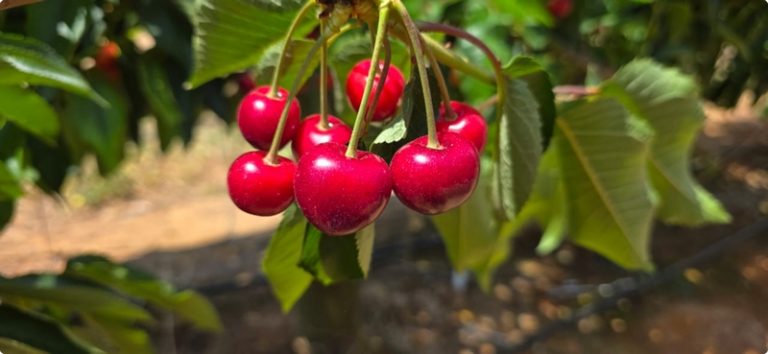
ClemenGold® is more than just a deliciously sweet and aromatic soft citrus; it’s a meticulously nurtured product, hand-picked by selected growers, embodying a perfect harmony of fertile soil, warm sunshine, and dedicated care. This commitment translates into a consistently high-quality eating experience, making ClemenGold® the winning product in the heart of citrus season. As South Africa embraces the peak citrus season, a truly golden success story unfolds in retailers nationwide, proving that true success always follows “The Golden Way.”

This remarkable journey began with the vision of Abraham van Rooyen, often hailed as the “father of ClemenGold®” in South Africa, who championed the introduction of the Nadorcott mandarin and its transformation into a global brand.

From Limpopo Vision to Global Brand

This enduring legacy is a testament to three decades of relentless innovation and an unwavering commitment to quality by the ANB Group, ClemenGold®’s parent company. This dedication has not only transformed the agricultural landscape but has also delighted consumers around the world.

The journey began with a visionary move: the introduction of the Nadorcott mandarin variety to South Africa. Spearheaded by Citrogold, with pivotal support from Du Roi Nursery, this seedless, easy-to-peel, and exquisitely flavoured mandarin quickly became a game-changer. Today, over 5,000 hectares of Nadorcott orchards flourish across South Africa, with a significant portion concentrated in Limpopo, the country’s leading citrus-producing province. This premium fruit is marketed globally under the renowned ClemenGold® brand by Fruitalyst.

Today, ClemenGold® is enjoyed in over 40 countries across Africa, the Middle East, Asia, Europe, and North America—making it a true ambassador of South African agricultural excellence and a symbol of the country’s ability to deliver premium citrus to the world.

The daring decision to brand fruit, a novel concept at the time, proved to be instrumental. By investing in a consumer-facing brand, establishing stringent quality standards, and forging strong relationships with key retailers like Woolworths, ANB showcased the immense potential of premium citrus. This strategy demonstrated that strong branding, backed by marketing excellence and an integrated value chain, is the safest path to sustainable market success for all producers.

Unprecedented Retail Recognition and Strategic Partnerships

ClemenGold®’s commitment to excellence extends to every stage of its operation. During July a significant milestone underscores its unique market position: Woolworths, South Africa’s leading premium retailer, dedicated a number of full-sized shop window displays nationwide exclusively to ClemenGold®. As Adéle Ackermann, Marketing Manager of ClemenGold® International, notes, “This kind of marketing creates more than visual impact; it reflects years of strategic brand-building.”

Innovation Beyond the Orchard

Beyond the orchard, ANB’s innovation is driven by CITRII (Continuous Improvement Through Research, Innovation and Intelligence), a centre of excellence established in 2018. This initiative harnesses technology and expert knowledge to optimise production and planning, ensuring consistent, superior fruit. Notably, key ANB Group operations, including Du Roi Nursery and Du Roi Laboratory, are strategically located in Letsitele, Limpopo, serving as a flagship hub for plant technology and production. These entities continue to lead with biosecure structures, cutting-edge potting techniques, and serving the global banana industry with ISO-accredited tissue culture facilities.

It’s a testament to how innovation, quality, and a profound understanding of the consumer can turn ClemenGold® from a fruit into a cherished global brand.

Overberg Abuzz This September: Chelsea Flowers in Stanford and Nampo Cape 2025

September promises to be a remarkable month for the Overberg, with two flagship events drawing attention to farming, conservation, and rural enterprise. From 10 to 13 September 2025 Bredasdorp hosts Nampo Cape 2025, the premier showcase of agricultural innovation in the region. At the same time, Stanford welcomes visitors to Chelsea Flowers in Stanford, running from 10 to 24 September. Together, these events will put the Overberg firmly in the national spotlight, offering farmers both practical insights and a chance to reflect on the environmental systems underpinning agriculture.

Chelsea Flowers in Stanford is not simply a display of floral beauty. Organised by Grootbos Private Nature Reserve and the Grootbos Foundation, the event recreates South Africa’s gold medal-winning exhibit from the RHS Chelsea Flower Show in London. This year’s theme, designed by Leon Kluge and Tristan Woudberg, focuses on water as a life-giving force. A dramatic “mini-canyon,” complete with waterfalls, vertical gardens, and more than 25,000 stems, illustrates how rivers, rainfall, and ocean influences sustain the landscapes that farmers rely on. In a time of increasing climate stress and drought cycles, the display is both visually striking and agriculturally relevant.

Talks with Agricultural Relevance

Running alongside the floral showcase, the “Talks in Town” series brings together experts in horticulture and conservation, offering valuable insights for farmers. Gardening specialist Tanya Visser provides practical knowledge on drought-tolerant plants, mulching, and rainwater harvesting — topics highly relevant to agricultural water management. She also encourages diversification through edible gardens, blending food production with ornamental planting.

Tristan Woudberg explores plant adaptations and pollination in his talk The Great Flower Hunt, linking ecological diversity to crop resilience. His session Richtersveld in Bloom highlights the dramatic impact of rain on arid landscapes, echoing the challenges faced by farmers in marginal environments. Leon Kluge shares the behind-the-scenes story of South Africa’s Chelsea success, illustrating the skill and planning required to create large-scale displays that echo natural systems.

Cape botanist Rupert Koopman adds a historical and economic dimension with his presentation Protean Routes – History of the Flower Trade. By tracing the development of the fynbos industry, Koopman connects South Africa’s natural biodiversity to rural livelihoods and international markets, while stressing the importance of conserving threatened species.

Nampo Cape

Agriculture and Conservation in Harmony

What makes Chelsea Flowers in Stanford particularly significant for the agricultural community is its connection to conservation. Proceeds from the event support the Grootbos Foundation’s projects, which focus on protecting biodiversity while uplifting rural communities. For farmers, this underscores the interdependence of agriculture, ecology, and social development in the region.

As Nampo Cape showcases machinery, technology, and production innovation, Chelsea Flowers in Stanford offers a complementary perspective — one that highlights water, biodiversity, and ecological resilience. Together, the two events position the Overberg not just as a hub of agricultural activity, but also as a region where farming, conservation, and community growth go hand in hand.

This September, the Overberg will not only be buzzing with tractors and trade halls but also alive with flowers and conversations about the future of farming. For producers balancing productivity with sustainability, both events offer valuable lessons.

Agriculture at the Centre of Premier’s Coordinating Forum: Jobs, Exports, and Resilience

0

On Tuesday, 19 August 2025, Mayors and Municipal Managers from across the Western Cape gathered in Swellendam, in the Overberg district, for a meeting of the Premier’s Coordinating Forum (PCF).

The PCF is a consultative intergovernmental body, chaired by Premier Alan Winde and designed to strengthen partnerships and relations between the Western Cape Government and the province’s municipalities.

Premier Winde emphasised the importance of maintaining stability in well-functioning local governments and assisting those facing governance issues. “Our province and residents remain under pressure: ongoing fiscal constraints require us to confront the Western Cape’s challenges through innovation and determination. We will continue implementing our Provincial Strategic Plan (PSP) 2025-2030, our blueprint towards building a prosperous and resilient province. Underscoring everything we do is the need to grow the province’s economy and instil resilience.” He reminded PCF attendees, “The main objective of the PSP is to help the private sector so that they can create jobs. By doing this, we can help our residents to lead the lives they deserve and value.”

Impact of increased US Tariffs

The new tariff regime imposed on South Africa by the United States (US) government was also discussed at the PCF. The 30% tariffs will have huge implications for the agriculture sector, particularly the Western Cape citrus industry.

But provincial Minister of Agriculture, Economic Development and Tourism Dr Ivan Meyer pointed out that while 4% of South Africa’s agricultural exports go to the US, 66% is exported to other African countries, offering both the country and province further opportunities to boost export production on the continent. If the Western Cape increases its agricultural exports by 5%, more than 20 000 jobs can be created.

Amid the new tariff regime and ongoing uncertainty, the PCF committed to exploring other markets to accelerate export-led growth.

A study has been commissioned by the provincial Department of Agriculture to get a better understanding of the impact of the tariffs and to seek out solutions, such as market diversification. The Western Cape Government is engaging with stakeholders. “Economic diplomacy is being stepped up,” stated Premier Winde. He added, “We will continue solidifying relations with existing international partners. We will also fully leverage platforms such as the Regional Leaders Summit – which the Western Cape will host this year – to further open up our export market. The upcoming Western Cape Investment Summit (WCIS) is also a key opportunity where we will position our province as South Africa and Africa’s leading investment destination.”

The inaugural WCIS will be held from 5–7 November 2025 at the Cape Town International Convention Centre.

Update on Energy and Water Security

The Premier’s Special Adviser on Energy Alwie Lester gave an update on the provincial government’s energy security efforts. With the province making promising progress in building up its energy security, Mr Lester pointed out, “We must now adapt the Western Cape Energy Resilience Programme to mitigate against any energy disaster of which load shedding is just one, and we must intensify our focus on generating affordable, accessible and sustainable energy supply in the province.”

By driving Investment and planning more carefully, the provincial government, working closely with numerous municipalities, is steadily stabilising the Western Cape’s power system. Load shedding has abated for now, but the Premier reiterated that this does not mean residents and businesses must let their guard down. “We must push ahead and keep unlocking renewable energy in our region,” he stated. Mr Lester explained that nationally, dependency on Eskom has decreased due in large part to private sector-led renewable energy solutions. In the Western Cape, around 1000MW of non-Eskom energy is under development for the current financial year.

The PCF also received an update on the development of the provincial government’s water resilience dashboard. The dashboard monitors in real time the implementation of the province’s Water Resilience Strategy (WRS). The overarching priority of the plan is to secure a target of 341 million cubic metres of water per year for the residents of the province by 2035. The dashboard features an early warning system that tracks, among other metrics, water usage and dam levels as a proactive measure to avoid as far as possible a “Day Zero” scenario.

Animal Diseases Outbreaks

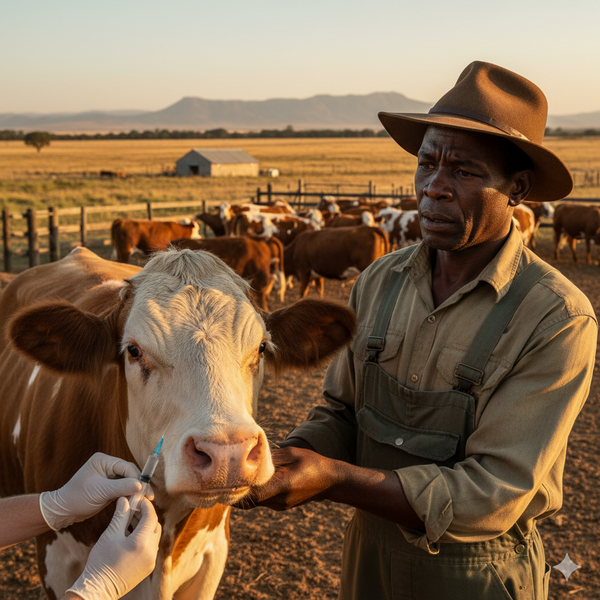
During a presentation by Dr Christi Kloppers, the Overberg’s State Veterinarian, on the status of animal disease outbreaks, he called for increased vigilance across the province, especially in the agricultural sector. “Outbreaks of animal diseases have far-reaching socio-economic consequences,” said Western Cape Minister of Agriculture, Economic Development and Tourism Dr Ivan Meyer. While biosecurity is everybody’s business, municipalities in particular must be on high alert.

In the presentation, it was stressed that where livestock is kept on municipal land, it is the responsibility of municipalities to take necessary biosecurity measures. Under Section 11 of the Animal Diseases Act, owners or managers of land on which animals are kept must:

  • Take all reasonable steps to prevent the infection of animals;
  • Prevent diseases from spreading;
  • Take measures to eradicate the disease;
  • Apply prescribed and suitable treatment for animals; and
  • If there is a suspicion that it is a controlled animal disease, this must be reported to the State Veterinarian.

“Every outbreak we can prevent or manage offers protection to our economy and food security,” Premier Winde said, adding, “US Tariffs are hitting us from one side, animal diseases from another and in the middle, we also have to manage climate change. I urged our municipal partners to take the necessary measures to prevent and control outbreaks.”

Auditor-General of South Africa celebrates clean audits in Western Cape

Representatives from the Auditor-General of South Africa used the occasion of the PCF to celebrate good governance across Western Cape Government departments and entities, as well as municipalities. Awards were handed out recognising institutions that achieved clean audits – unqualified audit opinions with no findings – under the Municipal Financial Management Act and the Provincial Financial Management Act for the 2023/34 financial year. Eighteen provincial departments and entities and 20 municipalities in the Western Cape achieved clean audits.

Premier Winde concluded the meeting by emphasising the critical importance of local government in driving growth and job creation. “You are at the coalface of service delivery. Our residents deserve the best possible services. Across our government and economy, from energy security to safety, we are planning and preparing, taking steps to protect our growth targets and accelerate job creation,” he stated.

Swartlandskou vier 91ste jaar met trots

0

Vanaf Woensdag 3 tot Saterdag 6 September 2025 word die 91ste Swartlandskou aangebied op die Moorreesburgskougronde. Hierdie vierdaagse skou is veel meer as net ’n landbouskou – dit is ’n fees van landbou, sake en vermaak. Besoekers kan uitsien na wêreldgehalte uitstallings, lewendige demonstrasies, gesinsvriendelike aktiwiteite en ’n splinternuwe kinderarea. Markstalletjies, ’n troetelplaas, restaurante en die bekende wyntuin dra verder by tot die warm, feestelike atmosfeer.

Landbou en kompetisie-hoogtepunte

Die landbou-afdeling bied verskeie kampioenskappe en demonstrasies. ’n Groot trekpleister is die skaapskeerkampioenskap op Saterdag 6 September, waar die land se eie skaapskeerkoning, Tinus du Plessis, sy vaardighede ten toon stel. Hy het saam met Aidan Copp van Nieu-Seeland op 22 April 2025 ’n wêreldrekord opgestel toe hulle 970 Merino-lammers in net 9 uur geskeer het – ’n prestasie wat internasionale aandag geniet het.

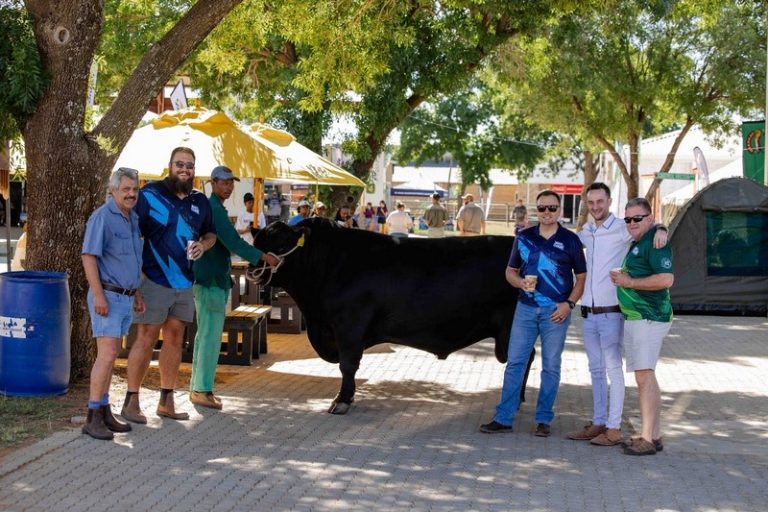
Beesboere kan hul rasse wys met agt vleisbeesrasse wat meeding om titels soos Senior Kampioen Bul, Senior Kampioen Koei en Opperste Ras Kampioen. Die Romagnola maak vanjaar sy debuut, terwyl bekende rasse soos Herefords, Simmentalers, Angus (rooi en swart), Santa Gertrudis, Charolais en Sussex ook uitgestal word.

Die Jeugskou, wat Woensdag 3 September afskop, lok meer as 250 jong skoumanne wat aan 16 dissiplines deelneem. Nuwe items soos kulinêre kuns, fotografie en suiwelbereiding bring vars opwinding. Die Swartlandskou is onlangs deur die Agri-Expo kongres bekroon as Beste Jeugskou-aanbieder – ’n mylpaal wat sy jeugfokus beklemtoon.

Vir perdeliefhebbers bied die Vlaamperd SA Kampioenskappe, die SA Saalperd Kampioenskap en die jaarlikse 8-span wa-perdvertoning op Saterdag ’n onvergeetlike ervaring.

Fotograaf Daniela Fotografie

Vermaak en familiepret

Damesdag op Woensdag 3 September is een van die gewildste gebeurtenisse van die skou en lok jaarliks meer as 500 gaste. Dit is ’n dag gevul met inspirasie, mode, geselskap en heerlike kos. Boys R Back sorg vir nostalgiese musiek, terwyl Lizz Meiring haar gewilde eenvrou-vertoning aanbied.

Die nuwe kinderpretarea beloof om jong besoekers te vermaak met aktiwiteite soos bungee-trampolien, paintball, springkastele en trapkarre.

Musiekliefhebbers kan vanaf Donderdagaand uitsien na optredes van plaaslike kunstenaars. Die program sluit in Wynand en Chereé, Brendan Peyper, Chris Rain, Irene-Louise van Wyk, ONS en vele meer. ’n Tentedorp op die terrein maak voorsiening vir kamp-akkommodasie sodat feesgangers en uitstallers die atmosfeer ten volle kan geniet.

Landbou se toekoms en gemeenskapsbetrokkenheid

Die landbou-oggend op Vrydag 5 September fokus op die tema “Boerdery se Toekoms – Ons skei die koring van die kaf.” Bekende sprekers soos Theo Vorster, Prof. Johan Fourie, Tobias Doyer en JP Landman sal besoekers inspireer en waardevolle perspektiewe deel oor die toekoms van landbou in Suid-Afrika.

Die Swartlandskou is reeds 91 jaar lank moontlik gemaak deur die ondersteuning van borge, vennote en donateurs. Die organiseerders benadruk dat die plaaslike gemeenskap ’n onmisbare rol speel en die ware hart van die skou is. Besoekers word aangemoedig om kaartjies vooraf aanlyn via TIXSA te koop en meer inligting op die webwerf te kry by www.swartlandskou.co.za.

Makataan Chunks Crowned South Africa’s First Preserve Product of the Year

0

A traditional favourite, makataan watermelon, has reaffirmed its place in South Africa’s kitchens. Compagniesdrift’s Makataan Chunks was crowned the very first South African Preserve Product of the Year on Tuesday, 19 August 2025, at Lanzerac in Stellenbosch.

The winning product was one of 456 entries from 66 manufacturers in the newly launched South African Preserve Championships, presented by Agri-Expo, the country’s oldest agricultural society.

A judging panel of 38 experts evaluated the entries through a rigorous blind tasting process. In the end, 70 products from 29 manufacturers were recognised as South African Champions in their respective classes, with 11 category winners standing out (see full list below).

South Africa

“South African consumers truly have the luxury of choice when it comes to quality,” said chief judge Susina Jooste, food expert and training specialist. “Compagniesdrift’s makataan chunks impressed with its winning combination of appearance, flavour, texture, and overall quality. To be named Product of the Year in a competition of this calibre is a remarkable achievement.”

COMPAGNIESDRIFT’S PRIDE

Ilse Ruthford, Managing Director of Compagniesdrift in Stellenbosch, says this national award is a major milestone for their team: “Agriculture is our pride and joy. After planting a vegetable garden in 2014, we developed a range of preserve products to share different crops – such as makataan watermelon – with consumers. For me, this is especially meaningful because I grew up with it and am continuing my grandmother’s tradition. Lena Conradie, who cooks our makataan chunks preserve, always says you must cook from the heart and have patience, because it’s a long process. These new championships provide producers with an inspiring benchmark and support excellence in agriculture. We are incredibly proud.”

A NEW PLATFORM FOR PRESERVES

According to Breyton Milford, General Manager of Agri-Expo and organiser of the championships, the competition was created to spotlight the art of preserving, to give recognition to top-quality products, and to contribute to economic development.

“The large number of entries clearly shows there is a need in the industry for this kind of platform,” said Milford. “The results highlight an innovative sector and healthy competition – from established brands to smaller and emerging producers. Congratulations to all the winners.”

Milford also thanked gold partners ClemenGold and Hollard for their support: “This project would not have been possible without strong backing from industry partners.”

ELEVEN CATEGORY WINNERS ANNOUNCED

The following products were named best in their categories (in alphabetical order):

Chutney: Montagu Foods Shoprite Housebrand/Ritebrand Peach Fruit Chutney

Fruit in syrup: Compagniesdrift Makataan Chunks (SA Preserve Product of the Year)

Jam: Uit-Die-Bottel Quince Jam

Jellies: Domein Doornkraal Plum Jelly

Marmalade: Hemelhuijs Kumquat Conserve

Pesto: Pesto Princess Sundried Tomato Pesto

Pickled fruit: Kloovenburg Olives Black Olives in Blackberry Dressing

Pickled vegetables: Jumping Jackal Delicacies Pickled Jalapeño Whole

Relish: Miami Boerie Relish, Sweet Tomato

Tapenade: Willow Creek Olive Tapenade with Black Olives, Anchovies & Capers

Vegetables in sauce: Creative Cuisine Pantry Curried Baby Onions

The inaugural South African Preserve Championships have set a new benchmark for excellence, celebrating both heritage and innovation in the art of preserving. With Compagniesdrift’s makataan chunks leading the way, the event not only honours tradition but also inspires a thriving future for local producers and consumers alike.

Designing for the Land: Don Albert on Rural Growth and Agricultural Opportunity

0

Interview with Don Albert, architect and founder of Sound Space Design

Urban flight and farm-to-table thinking

Congratulations on Sound Space Design’s 30th year in business, and welcome again to the Western Cape. We don’t often feature architects, but your work with rural communities and tourism caught our attention. What’s your take on development in agricultural areas?

“Thank you,” says Don Albert, architect and founder of Sound Space Design. “Since the pandemic, we’ve noticed a strong shift from city living to rural areas — here in South Africa and around the world. For many people, it’s not just about affordability; they’re looking for a slower, healthier lifestyle. Things like climate change are making people think differently.

There’s a growing interest in local food, self-sufficiency, and ‘farm-to-table’ living. Plus, with more people working from home, they aren’t tied to the city anymore.”

So rural living isn’t just appealing to retirees anymore?

“Exactly. We’re seeing young families, remote workers, and creative entrepreneurs moving out here too.”

Why Piketberg? You’ve worked and studied all over the world — Durban, Cape Town, Bali, Sydney — and you did your master’s at UCLA as a Fulbright scholar. Why did you choose to settle in Piketberg?

“Piketberg, and other small towns in the Western Cape, are in what I call the ‘Goldilocks Zone’ — not too far from Cape Town, but far enough to enjoy peace, nature, and a strong sense of community,” he says. Places like St. Helena Bay, Tulbagh and Elands Bay are seeing a boom in tourism and small-scale investment. And we’re seeing the same thing in parts of the Karoo and Klein Karoo.”

Designing the future of rural towns

Is your company working on projects in this region? “Yes, we’ve based ourselves here to support this growth. We’re currently developing a boutique hotel in Piketberg, and we’re involved in land rezoning and masterplanning projects along the West Coast — that’s one of our areas of expertise.”

As rural regions continue to attract new energy, skills, and investment, Don Albert’s work reflects a deeper shift toward sustainable, locally rooted design. With 30 years behind him and fresh projects on the horizon, his move to Piketberg is more than personal — it’s part of a wider vision for how rural South Africa can thrive.

For more information visit www.soundspacedesign.com

Rising Veldfires Threaten South Africa’s Food Security as Farmers Face Mounting Losses

0

With the frequency and severity of veldfires expected to continue increasing in South Africa due to above-average rainfall during the latter part of the growing season, including other factors of climate change, the damage could result in higher food prices, as this severely impacts farm production costs.

Veldfires on the Rise Amid Climate Change

Dating back to 2015, farmers across KwaZulu-Natal, Mpumalanga, Limpopo, Free State, Western Cape, Karoo and Gauteng, continue grappling with severe veld fires during drier and windy conditions, damaging crops, livestock and infrastructure.

“Considering South Africa’s escalating food price inflation and the ongoing challenges faced by farmers, this adds to food security issues by impacting both the supply and price of food,” says Dawie Maree, Head of Information and Marketing, FNB Agriculture.

The loses are significant when considering hectares of crop and grazing land destroyed, death of livestock and damage to costly energy, irrigation and other farm infrastructure, making it challenging for some farmers to recover quickly.

Meat Producers Face Added Strain from Fire and Disease

“Meat in particular which is currently the biggest driver of food inflation after surging to a 25-month high in June, is at the highest risk as the death of animals, feed supplies, pasture and storage facility loses could put meat producers under more pressure than what they are currently experiencing as a result of the foot-and-mouth disease (FMD) outbreak,” says Maree.

Risk Management Plans Key to Limiting Damage

“We are urging farmers to put the necessary measures in place to mitigate against the risk of veld fires. Between now and the beginning of the rainy season around October and November, veld fires can spread quickly, destroying farms, and leaving relentless distraction,” he adds.

Risk management measures should be put in place throughout the year to manage and control risks of veld fires.

Maree says farmers must consider having a fire management plan, collaborate with government and other farmers within their local fire protection associations to follow procedures or protocols that will avoid disasters when starting fire in their areas.

Further, always keep fire equipment in good condition, maintain adequate firebreaks, have adequate insurance, and have regular stakeholder engagements with local communities to raise awareness and educate them about veld fires.

“While veld fires are not unique to South Africa, their frequency and severity continues to increase putting farmers on the back foot financially. Taking a proactive approach and ensuring that risk measures are in place will go a long way,” cautions Maree.

Flash Gala Delivers Record-Breaking 2025 Harvest

0

The 2025 harvest season has marked a historic milestone for Flash Gala apples, with a record 1,478,454 cartons packed – the biggest volume since the brand’s launch. This figure reflects a remarkable 41% increase on last season’s output.

“This is the biggest Flash Gala crop we’ve ever seen,” says Calla du Toit, procurement manager at Tru-Cape Fruit Marketing and chair of the BigBucks Growers’ Association. The leap in volume is credited to orchards reaching maturity, excellent harvests in key regions, and favourable weather. Clean fruit and outstanding pack-outs further boosted the crop’s performance.

Quality Benchmarks and Horticultural Progress

This season set new standards for colour, consistency, and eating quality. According to Angelique Pretorius, technical manager at Kromco, the improvement is rooted in tree maturity.

“When the trees were young, they were overly vigorous, especially on strong rootstocks, which impacted quality. Now, with canopies settled and a shift to reproductive growth, fruit quality has improved dramatically.”

Enhanced orchard discipline also played a role, with growers waiting to harvest closer to optimal maturity despite the temptation of early picking. Angelique adds that BigBucks deserves to be valued as a variety: “It is a Gala that colours well and is easy to farm.”

Global Demand Surges

Flash Gala has strengthened South Africa’s competitiveness in global markets. “It’s a premium Gala type that can rival New Zealand Gala apples,” notes Calla. Client enthusiasm was immediate, with repeat orders placed as soon as shipments arrived.

India has emerged as a particularly loyal market, while shipments also reached China, Malaysia, Vietnam, Singapore, and the Middle East. In Africa, buyers in Nigeria, Ghana, and Cameroon praised Flash Gala’s colour, taste, and shelf life. “They know exactly what they’re getting because of the high and reliable packing specification,” says DG Malherbe, export manager for Africa at Tru-Cape.

Louis du Toit, marketing manager at Dutoit Agri, confirms that arrival quality in overseas markets was excellent. “Our clients were impressed with the fruit, and it sold exceptionally well. Overall, it was certainly an above-average season,” he says.

Profitability and Growth Potential

Beyond record volumes, profitability also improved significantly. “Price inflation has outpaced cost inflation, and prices exceeded expectations,” explains Calla. The strong returns are already encouraging expansion, with a second wave of plantings expected within two to three years.

Louis highlights the need to diversify markets further: “There’s significant potential in the Middle East, Bangladesh, and the Far East. We also need to enhance storability to extend the sales window.”

Teamwork and Innovation Drive Success

The record season is widely seen as a team victory. “From production to packing to export, this was a collective achievement,” says Calla. “If we keep improving quality, there’s still enormous potential for growth.”

Innovation and technical expertise are also at the heart of the variety’s success. Calla points to the involvement of young horticulturists and technical specialists as vital to staying ahead in competitive markets.

A Bright Future Ahead

With record volumes, superior quality, excellent arrival condition, and surging global demand, Flash Gala has firmly established itself as one of South Africa’s most exciting apple success stories. For growers, marketers, and consumers alike, the 2025 harvest represents not just a record, but the beginning of a promising new chapter.

As Louis concludes: “I believe the future is bright.”

Weskus Mechanisation Branch Brings Landini & McCormick Tractors to Clanwilliam Farmers

0

Another chapter has begun for Weskus Mechanisation, a business synonymous with delivering quality service. As part of the Argo family of dealerships selling Landini and McCormick tractors, the agricultural community in Clanwilliam recently welcomed the opening of a new dealership branch of Weskus Mechanisation in their town.

With an extensive product line, Argo proudly welcomes the new branch of Weskus Mechanisation to the family and also wish them well,” Juanita Pretorius, Distribution Development Manager at ARGO Industrial says.

The latest range of Landini and McCormick tractors will be available from the dealership.
“All our tractor models are designed to meet the diverse agricultural needs in South Africa. Choosing a tractor from either of the Argo’s lines, Landini or McCormick, means that a farmer can count on a reliable partner that gives them cutting-edge technology, superior performance, unmatched productivity, and excellent after-sales service,” Pretorius points out.

Weskus Mechanisation

Designed for Efficiency and Performance

Input costs are one of the driving factors in agriculture and cost effective implements that offer versatility together with careful consideration of design to maximise fuel usage and emissions, as well as ease of use, are some of the aspects that sets Landini and McCormick apart.

“It is critical to supply tractors and equipment that drive maximum productivity and efficiency. Argo continues to play a key role in bringing the best machines to the local market at an affordable cost. What counts in our favour is the fact that we are able to cost-effectively assemble tractors locally to the benefit of our farmers.”

A Range to Suit Every Farming Operation

Some of the well-known Landini tractors that will be available from the dealership include the Landini 7 Series, the Landini 8-310 models, as well as the smaller Landini tractor models such as the Rex Orchard 75/85 Techno. “The smaller tractors are suitable for planting and other in-field cultivation practices, while the bigger and stronger tractors can be used for soil preparation before planting. Our popular orchard tractors are ideal for table grape and citrus farmers.”

“This new dealership strengthens our existing and extensive network of dealers across the country, highlighting our commitment to client service mirrored by our dealers.”
Pretorius emphasises the importance of expanding their dealership network. “Bringing new dealerships on board helps us better serve farmers with our quality products and service. We now have 63 independent dealerships nationwide, each supporting specialised farmers in their regions.”

South African Wine: The Next Decade Is About Value, Not Volume

0

A new wine industry outlook delivers a clear message: the next chapter for South African wine will be written in quality, not quantity. With smaller harvests but big opportunities ahead, winemakers are betting on flavour, heritage, and unique experiences to win over drinkers at home and abroad.

From Survival to Signature Style

Across the world, wine production has taken a knock — 2024 saw the smallest global harvest in six decades thanks to wild weather, from frost to floods. South Africa wasn’t spared, with many vineyards producing less than in past years. But local winemakers are turning this challenge into an advantage, focusing on smaller volumes of standout wines that carry the character of their terroir.

Vineyards are also getting a makeover. Many old vines are being replaced with new plantings that can handle hotter summers and use water more efficiently. In some cases, new grape varieties are joining the mix, opening the door to fresh styles and flavour profiles.

A Shift in Taste — and Not Just in the Cellar

Wine lovers are also changing. In South Africa, more people are reaching for premium and super-premium bottles, seeing wine less as an everyday drink and more as a special experience to savour. Sparkling wines are enjoying a post-pandemic surge, adding a touch of celebration to more occasions.

Globally, even countries that produce their own wine — like Italy and France — are importing more bulk wine to blend and bottle at home. This is giving South African producers the chance to step in with high-quality bulk that still tells a local story when it reaches foreign shelves.

From the Cape to the World

While Europe remains a core market, new fans are emerging in places like West Africa, Eastern Europe, and the Middle East. Nigeria, for instance, is now sipping more South African wine than ever before. This is good news for an industry looking to spread its wings beyond traditional buyers.

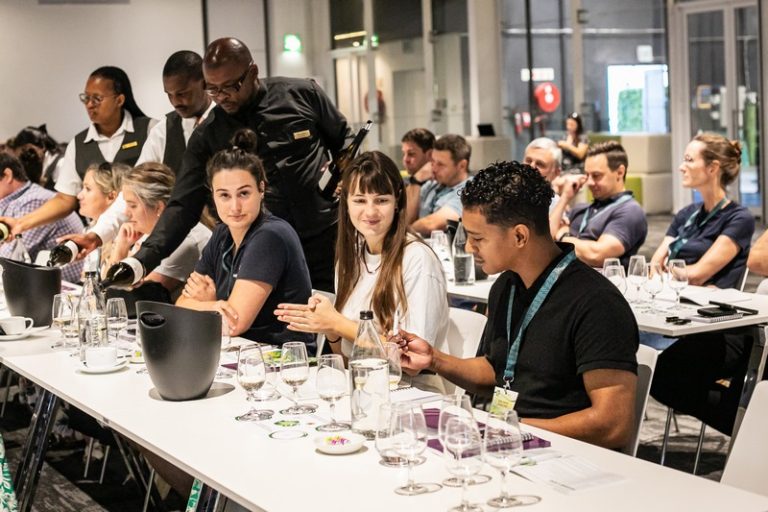
At home, the growth of wine tourism is a key part of the story. From weekend tastings in Stellenbosch to farm stays in Robertson, wineries are creating experiences that turn visitors into loyal customers. Every glass poured in a cellar door is also a lesson in the story, people, and place behind the label.

The Road Ahead

The next decade will be about balance: producing less, but earning more for every bottle sold. That means investing in vineyards, embracing climate-smart farming, and telling the South African wine story with pride — whether in a premium vintage, a celebratory sparkling, or a carefully crafted bulk wine heading overseas.

For wine lovers, it’s a promise of more choice, more character, and more reasons to explore the regions and people behind each vintage. And for the industry, it’s a chance to step confidently into the global spotlight, one exceptional glass at a time.