


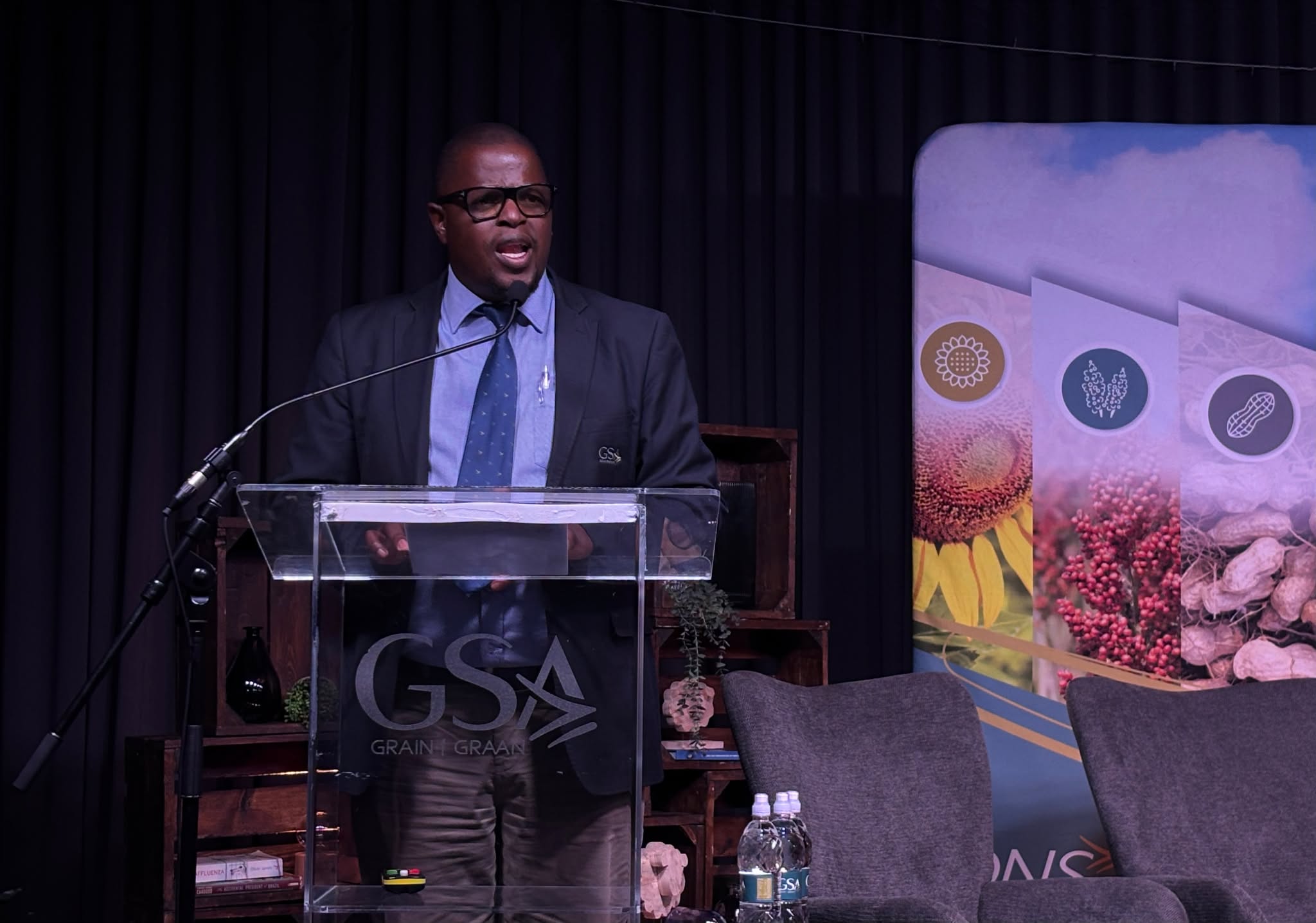
Addressing producers, industry partners, and agricultural stakeholders at the Phahama Grain Phakama (PGP) grain and livestock conference in Bothaville, South Africa’s Minister of Agriculture, Willie Aucamp, highlighted the critical role of inclusivity, transformation, and public-private collaboration in securing the country’s agricultural future. Marking his first 100 days in office, Minister Aucamp praised emerging and new-era grain producers for their excellence, growth, and contribution to national economic resilience.
A Dual Focus on Commercial Stability and Inclusivity
In his opening address, the Minister emphasized that while South Africa’s commercial grain sector remains a cornerstone of food security—producing between 10 and 16 million tonnes of maize annually—the long-term viability of the sector relies on accelerating the integration of smallholder and emerging black farmers. He noted that commercial producers supply the bulk of marketed grain through continuous investments in technology, machinery, storage, and risk management. However, meaningful transformation requires expanding participation across the entire agricultural value chain.
The Master Plan and Strategic Pathways
Government policy, as framed by the Agricultural and Agro-processing Master Plan (AAMP), seeks to support producers along every stage of the development pathway—from subsistence farming to full-scale commercial operations. Minister Aucamp underscored that transformation goes beyond land ownership; it demands the creation of sustainable, profitable businesses equipped with access to affordable finance, mechanization, research, infrastructure, storage, and market linkages.
Strengthening Public-Private Partnerships
Highlighting the necessity of public-private partnerships, the Minister commended industry-led initiatives such as Grain SA’s Phahama Grain Phakama programme. PGP offers mentorship, technical advice, training, and market-oriented support tailored to the unique challenges faced by smallholders, such as limited bargaining power and land tenure issues. Aucamp called on commercial farmers and agribusinesses to continue fostering transparent, commercially sound partnerships—including contract production, joint ventures, and equipment-sharing arrangements—to help developing farmers build productive independence.
Expanding Opportunity Across the Agro-Processing Value Chain
Expanding on the broader scope of the AAMP, the Minister stressed that transformation must extend into agro-processing and secondary industries, such as milling, baking, transport, animal feed, and commodity trading. Broadening access to these sectors is vital for reducing logistics costs, growing rural enterprises, and generating sustainable employment. Addressing current sector challenges, Aucamp acknowledged institutional fragmentation in agro-processing due to the lack of a dedicated platform, noting that initial discussions with the Consumer Goods Council of South Africa have begun to build better coordination.
A Vision for Economic and Sustainable Success
Concluding his address, Minister Aucamp reiterated that true success in the grain industry will be measured by clear economic outcomes: rising productivity, improved farmer profitability, expanded market access, and reliable supplies of affordable food for all South Africans. By safeguarding commercial capacity while opening real pathways for new entrants, the Department of Agriculture aims to build a fully inclusive, competitive, and sustainable agricultural sector.