

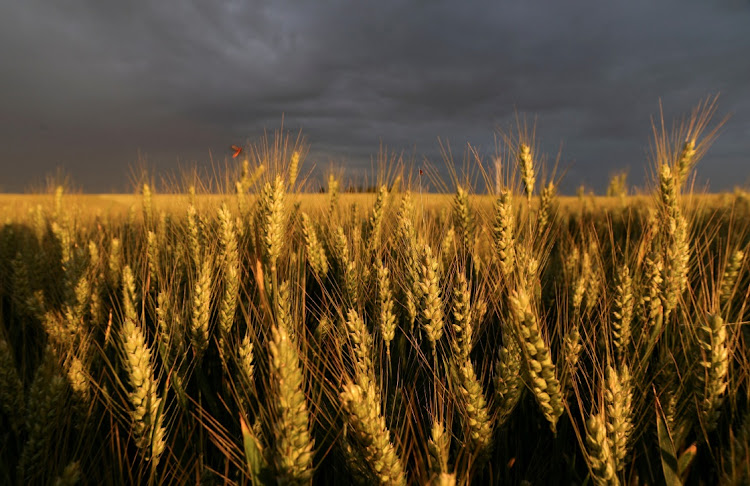

SA wheat production stands at a critical crossroads, and what happens on the farm today directly impacts food security for almost every household in South Africa. Wheat-based foods are consumed across the vast majority of homes, with bread serving as the primary staple and a fundamental component of the daily food basket. Wheat is therefore not merely an agricultural commodity; it forms part of the country’s essential basic food infrastructure.
Despite this vital role, local production is shrinking rapidly. The total area planted to wheat has fallen to levels not seen in nearly a century, while overall harvest projections continue to drop. Because South Africa already relies heavily on imports to meet domestic demand, allowing local growing capacity to erode exposes the nation directly to international market volatility, exchange rate shifts, logistical disruptions, and long-term food security risks.
Pillar of the Economy and Rural Employment
The wheat sector creates a wide economic footprint across farming, input supply, milling, baking, transport, and retail:
Value Chain Support: The sector generates substantial economic value and sustains formal jobs across processing, trade, and related logistics.
Regional Significance: The Western Cape produces the majority of the nation’s wheat, sustaining a significant portion of agricultural employment in rural communities.
Secondary Economic Network: Wheat farming drives extensive indirect activity—including fertilizer, crop protection, machinery, insurance, and financing. Allowing local production to decline puts thousands of supporting industry jobs directly at risk.
Why Local Production is Collapsing
Producers are delivering high quality but face severe market and policy challenges:
The Quality-Price Paradox: Research highlights a major market mismatch: locally produced wheat delivers far superior baking and milling quality compared to imported alternatives, yet local market prices trade lower than imported prices. Farmers invest in better genetics and technology but receive no price premium for higher quality.
Unresponsive Import Tariffs: Local farmers compete against foreign imports coming from environments where producers receive substantial government subsidies. The current import tariff system acts too slowly, materializing only after commercial damage has already occurred on the farm.
Unbuffered Climate Risks: Severe drought conditions in major growing regions like the Swartland demonstrate how rapidly production risk falls on the farmer after input costs are already committed.
Regulatory Bottlenecks: Overly restrictive seed cultivar release processes delay farmer access to improved genetics and yield technology, undermining international competitiveness.
Key Recommendations for Reform
Industry leaders emphasize that farm-gate wheat prices have a minimal impact on the final retail price of bread for consumers. Addressing the crisis through the government’s Section 7 value-chain review requires key action items:
Realign Market Pricing: Adjust price formation, grading mechanisms, and location differentials to reflect the actual milling and baking value of local grain.
Implement Responsive Trade Policy: Create a predictable, timely tariff system to level the playing field against foreign government subsidies.
Canola’s Golden Future: NAMPO Cape Panel Highlights Commercial Transformation
Establish Shared-Risk Models: Treat crop insurance as national economic infrastructure to protect farm balance sheets, production capacity, and rural jobs during severe weather events.
Fast-Track Seed Technology: Streamline regulatory processes to deliver modern, resilient seed cultivars to producers faster.
Safeguarding local wheat production is essential to maintaining stable employment, supporting manufacturing industries, and ensuring long-term national food security.