

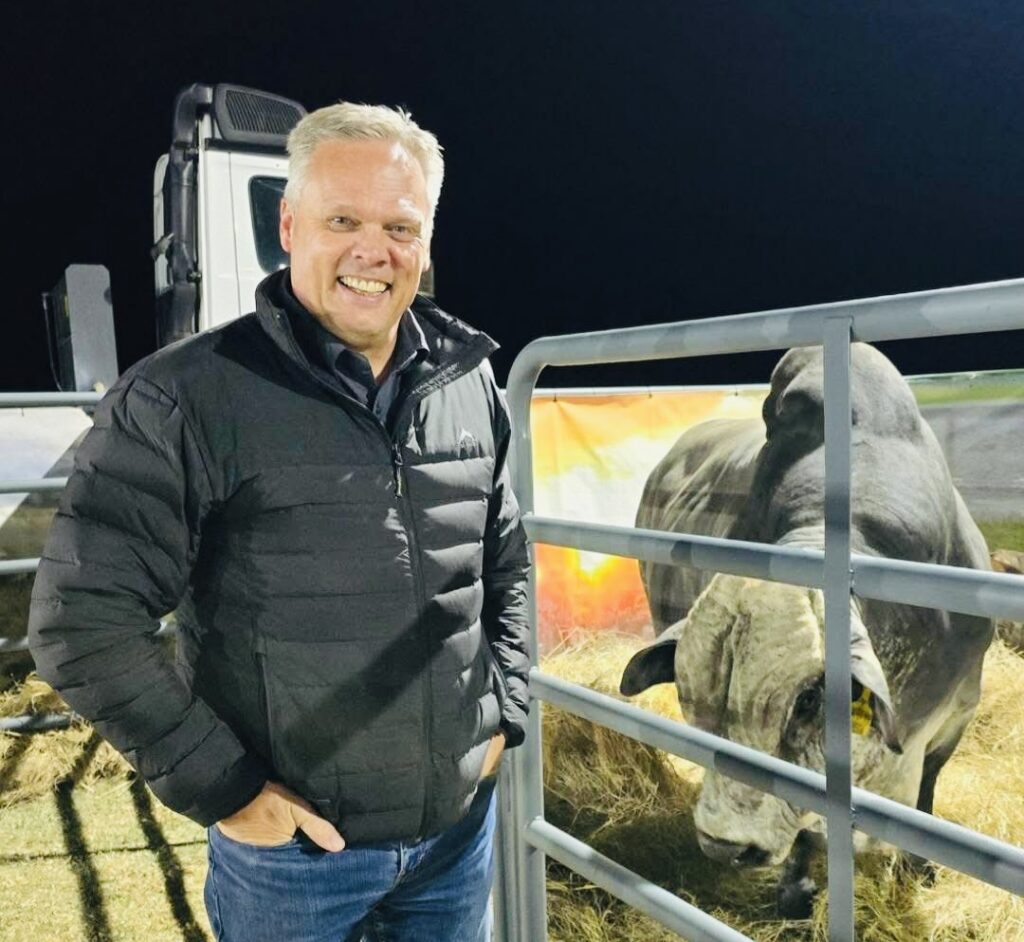

In a swift shift within the Government of National Unity (GNU) cabinet, Minister Willie Aucamp has officially taken the reins of the Department of Agriculture. The move follows a significant Cabinet reshuffle by President Cyril Ramaphosa, which saw former Agriculture Minister John Steenhuisen transition to a new role as Deputy Minister of Trade, Industry, and Competition.
As the dust settles on the political restructuring, organized agriculture has moved quickly to establish a baseline for what lies ahead. Leading the charge, Grain SA has formally extended its congratulations to Minister Aucamp, signaling both a willingness to partner and a firm reminder of the severe economic headwinds currently battering South African grain producers.
Navigating an Economic Squeeze
Minister Aucamp enters the agricultural portfolio at what industry experts describe as a critical juncture. The national grain sector is grappling with a perfect storm of depressed international commodity prices, stubborn input costs, and a strong rand—a combination that has severely compromised the profitability and sustainability of domestic production.
Furthermore, South Africa is currently confronting localized grain surpluses across several commodities. Going forward, Aucamp’s immediate priority will be working alongside industry stakeholders to expand export opportunities and develop robust domestic alternatives, such as biofuel markets. Crucially, Grain SA highlighted the need to encourage greater value addition through the domestic livestock and protein industries to absorb these surpluses. Accelerating the implementation of the Agriculture and Agro-processing Master Plan (AAMP) will be vital to stimulating demand and restoring financial viability across the sector.
The Wheat Tariff and Regional Vulnerabilities
One of the most pressing policy tests awaiting the new Minister involves the country’s wheat-producing regions, particularly in the Western Cape. Grain SA has explicitly called for a rigorous reassessment of the current wheat tariff regime to shield local producers from unfair international competition.
A key point of contention moving forward will be the administration of the tariff and rebate system within the Southern African Customs Union (SACU). Industry leaders argue that the existing BLEN (Botswana, Lesotho, Eswatini, and Namibia) rebate on imported wheat creates a critical loophole, allowing foreign grain into regional markets without facing equivalent tariff treatments, thereby directly undermining the objectives of domestic tariff protection.
Harnessing Innovation and Regulatory Reform
Beyond immediate financial relief, the future of South African agriculture relies heavily on regulatory modernization. The industry is looking to Minister Aucamp to champion much-needed reforms surrounding Act 36, aiming for enhanced administrative efficiency and speedier approvals.
Crucially, the sector’s global competitiveness hinges on unlocking access to new plant-breeding and precision-breeding technologies. Grain SA Chairperson Richard Krige noted that South African producers are fully capable of competing on the global stage, provided they are supported by sound policy frameworks and fair market conditions.
The Steenhuisen Factor
While the industry looks forward to building a constructive relationship with Aucamp, Grain SA expressed deep appreciation for John Steenhuisen’s past service, lauding the highly collaborative approach that developed under his leadership.
The transition represents a unique strategic opportunity; the grain sector intends to lean heavily on Steenhuisen in his new trade capacity to help resolve the critical trade and tariff disputes. Success moving forward will be measured by how seamlessly Aucamp and Steenhuisen can coordinate across portfolios to safeguard South Africa’s food security.