

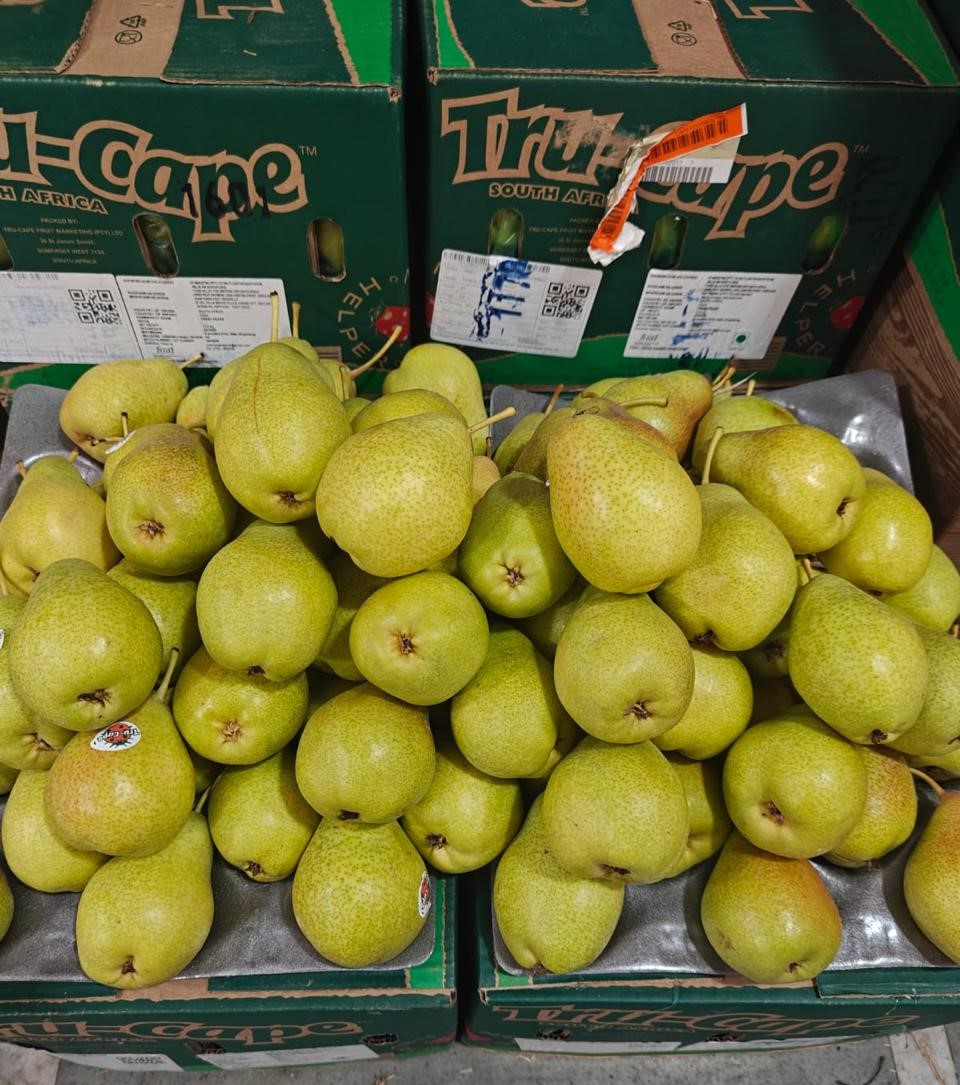

For decades, South African apple and pear producers have enjoyed a strong reputation in global markets, built on a foundation of exceptional quality, consistency, and value. Among these export destinations, India has rapidly emerged as a crown jewel, particularly for high-coloured Gala varieties. However, a shifting international trade landscape means that what worked yesterday might not be enough to sustain the industry tomorrow.
A recent delegation of South African agricultural stakeholders to Mumbai highlighted both the massive potential of the Indian market and a looming threat to South Africa’s competitive edge: a widening tariff disadvantage. For local growers looking to safeguard their long-term profitability, understanding this shifting dynamic is critical.
The Indian Market: A Crucial Growth Engine
India’s rapidly expanding middle class and rising disposable income have fueled an unprecedented demand for premium imported fruit. South African apples—specifically Royal Gala and the increasingly popular Flash Gala—have established a robust foothold. Major Indian distributors, such as NGK Trading, import hundreds of containers of South African fruit annually, praising its consistency and market appeal. In 2025 alone, top exporter Tru-Cape moved over 650,000 cartons to India, proving that consumer demand is at an all-time high.
Historically, South African fruit has commanded a premium based on quality alone. But as global trade corridors evolve, relying solely on product excellence is becoming a high-risk strategy.
The Tariff Trap: A Widening Competitive Gap
The core challenge facing South African exporters is a steep 50% import tariff levied by India. While this tariff was manageable when applied universally to all competing nations, the playing field is about to tilt drastically. International competitors have aggressively pursued bilateral trade deals with New Delhi, and those efforts are paying off.
Tariffs on European apple imports are scheduled to drop significantly to 20%, while New Zealand exporters will see their tariffs slashed to 25% starting January 2027. Furthermore, Chile is actively negotiating its own reduced tariff structure with India.
When these lower tariffs take effect, South African fruit will face a daunting 25 to 30 percentage point disadvantage. Industry leaders, including Roelf Pienaar of Tru-Cape and Riaan Ferreira of GF Marketing, have warned that quality alone cannot indefinitely offset such a massive price gulf. If South Africa remains burdened by a 50% duty while competitors trade at half that cost, local fruit will inevitably be priced out of Indian supermarkets.
What This Means for Local Producers
For the average South African grower, this is not just a corporate headache for exporters; it is a direct threat to farm-gate returns. If volume growth stalls in India due to uncompetitive pricing, that fruit will have to be redirected to other global destinations. This risks oversupplying the domestic market or traditional European sectors, potentially driving down prices across the board.
The message from industry stakeholders is clear: South Africa urgently needs a broader, more preferential trade agreement with India. Securing equal trade terms is a strategic necessity to protect the future viability of the apple and pear sectors. As competing nations secure their slices of the Indian market, South African agriculture must advocate loudly for government-level trade interventions to ensure our fruit can compete on a level playing field.