

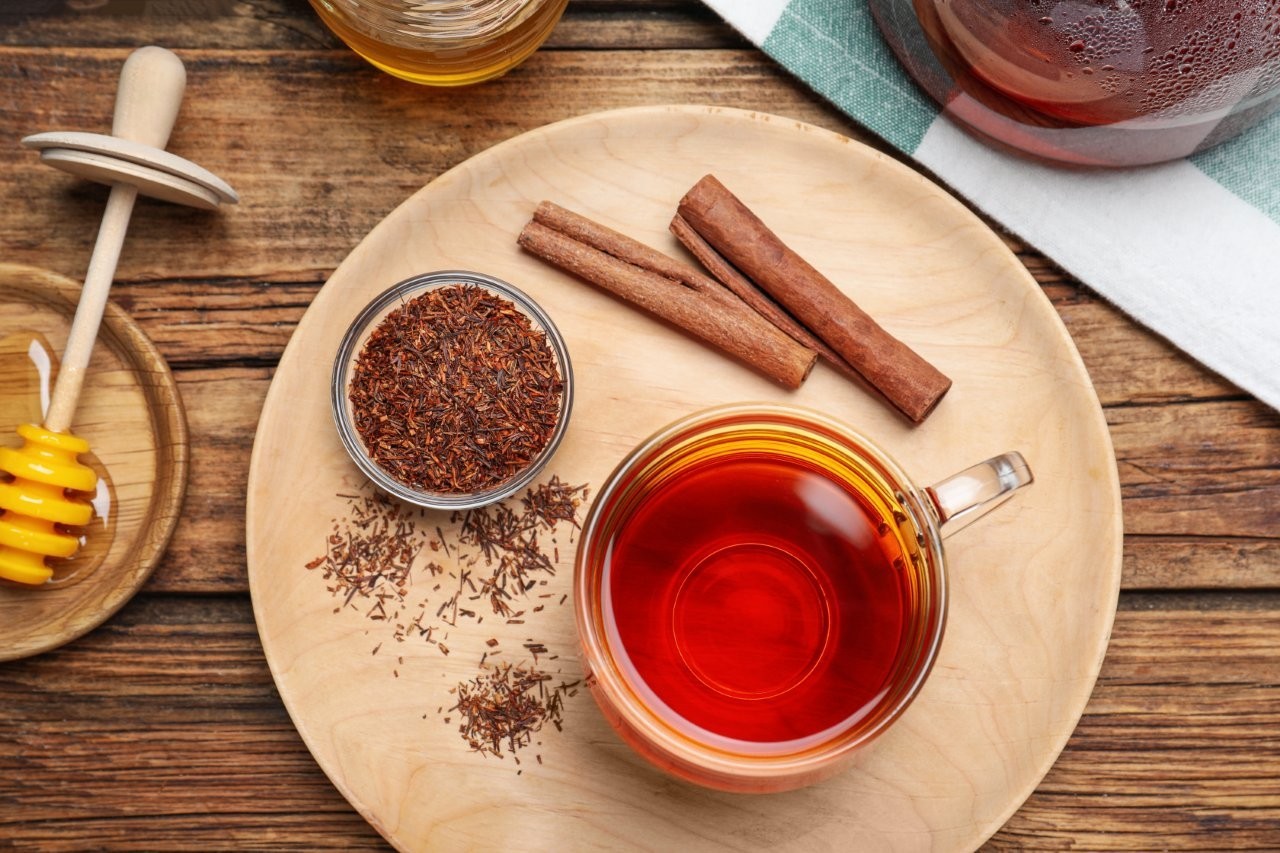

As Heritage Month celebrates the traditions that unite South Africans, Laager Rooibos reflects on a homegrown icon that has become a fundamental part of the nation’s identity and agricultural footprint.
Grown nowhere else in the world, Rooibos has evolved from a wild shrub in the Cederberg mountains into one of South Africa’s most recognizable agricultural exports, with brands like Laager Rooibos established as household names that bring communities together.
“As South Africans, we often celebrate our heritage through food and music, and Rooibos is especially deserving of such recognition,” says Candice Sessions, Marketing Manager for Laager Rooibos. “It is uniquely South African, deeply rooted in our landscape and culture, and has become part of countless family memories. Every cup tells the story of our biodiversity and our people.”
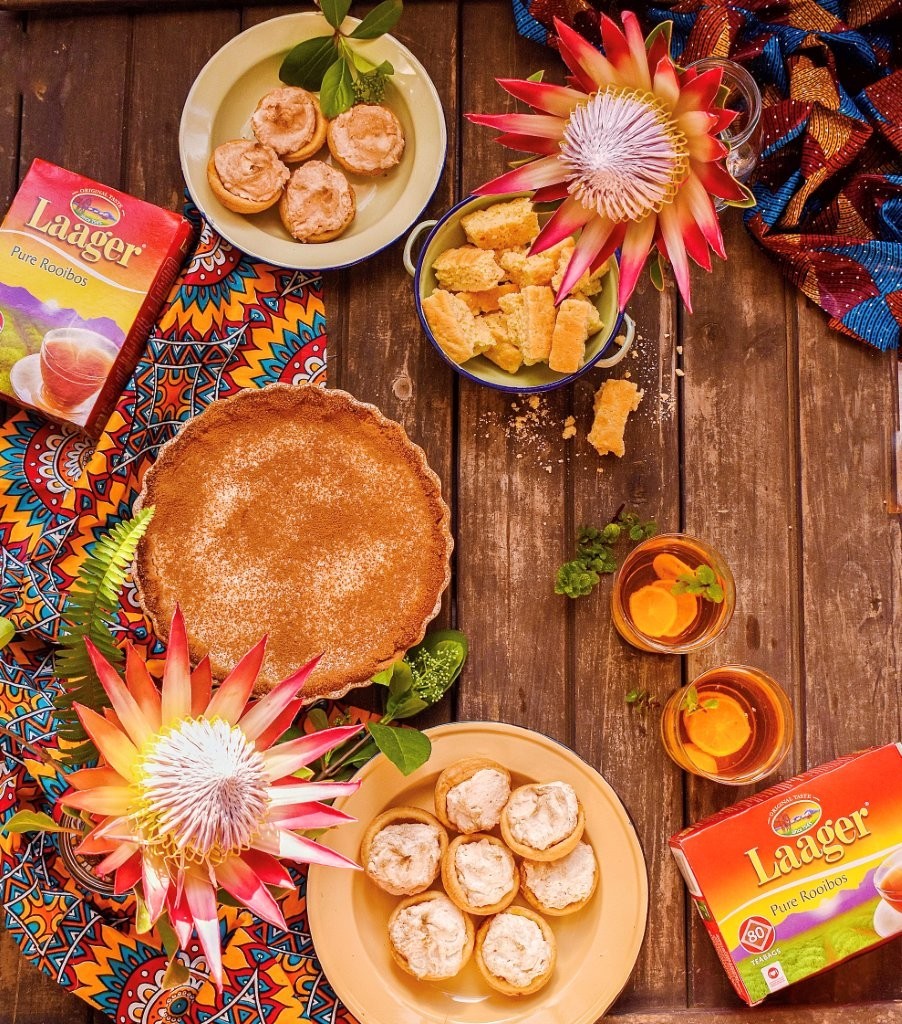
Unique Geographic Protection (GI & PDO)
Authentic Rooibos is indigenous to South Africa and only grows naturally in the Cederberg and surrounding regions of the Western and Northern Cape. Today, Rooibos benefits from formal Geographical Indication (GI) protection and is recognized as a Protected Designation of Origin (PDO) under the European Union system—meaning it can only be legally called ‘Rooibos’ if produced within this defined production area in South Africa.
Centuries of Heritage & Domestic Legacy
Long before commercial farming, indigenous Khoisan communities harvested wild Rooibos as a refreshing herbal infusion hundreds of years ago. Dutch settlers later adopted it as an alternative to imported tea, and botanist Carl Thunberg documented the plant as early as 1772 as an affordable household staple. This rich history laid the foundation for iconic market leaders, with brands such as Laager Rooibos celebrating more than 80 years of bringing South Africans together over a cup of tea.
Supporting Rural Livelihoods and Socio-Economic Equity
The Rooibos industry employs approximately 8,000 people through farming, processing, packaging, distribution, and exports, making it a critical contributor to the rural economy. Furthermore, the industry-wide Access and Benefit Sharing (ABS) agreement—the first of its kind globally—has distributed R42.7 million to Traditional Knowledge holders between 2019 and 2024, proving that modern commercial farming can coexist with fair cultural recognition.
Global Market Growth and Export Statistics
In 1904, Russian immigrant Benjamin Ginsberg recognized the commercial potential of Rooibos, becoming its first exporter and laying the groundwork for today’s thriving international trade. Rooibos is now exported to more than 50 countries, with exports reaching approximately 10,930 tons for the first time in 2025 and global consumption exceeding 10 billion cups annually.
Health, Wellness, and Industry Endorsement
Unlike traditional tea and coffee, Rooibos contains no caffeine and is low in tannins. It is the world’s only known natural source of aspalathin, a rare antioxidant being studied for its potential health-supporting properties, including heart health, blood sugar regulation, and combating oxidative stress.
Note: Laager is the only Rooibos tea endorsed by the Heart & Stroke Foundation South Africa and continues to encourage healthier lifestyles through initiatives such as its Heart Health Challenge.
Cosmic Crisp® Makes Debut, Bringing a New Star to the Apple Aisle
Continuous Innovation and Product Diversification
Legally classified as a botanical tisane, Rooibos continues to carve out a lucrative global niche in diverse formats including ready-to-drink beverages, skincare ingredients, functional foods, and mixology in the hospitality sector. Brands such as Laager Rooibos continue to bring new products to the market, including flavoured Rooibos options and the Tea4Kidz range, inspiring innovation while remaining true to its South African roots.
“Heritage isn’t only about preserving the past,” concludes Sessions. “It’s also about ensuring future generations continue to value what makes South Africa unique. Rooibos is one of those rare gifts that combines heritage, sustainability, wellness, and world-class quality taste in one product.”
Source: Data provided by the South African Rooibos Council.