

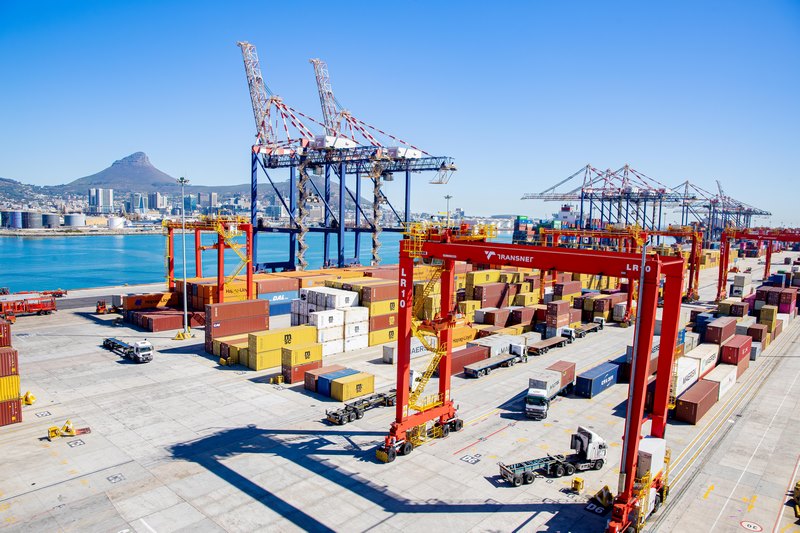

The Cape Town Container Terminal (CTCT) has unveiled a comprehensive operational readiness plan to support South Africa’s upcoming 2026/27 deciduous fruit export season. Scheduled to run from November 2026 through April 2027, the season is expected to deliver a 13% increase in export volumes compared to the previous year.
Deciduous fruits—including table grapes, plums, peaches, and apricots—are harvested across key farming regions in the Western Cape. These high-value agricultural exports rely on the Port of Cape Town as their principal gateway to premium European markets.
Collaborative Stakeholder Strategy
The rollout of the new operating measures follows extensive consultations held in August between fresh produce industry stakeholders, key export customers, Transnet leadership, and Minister of Transport Barbara Creecy. The primary objective of these engagements was to build a resilient supply chain that safeguards fruit quality, protects the cold chain, alleviates landside congestion, and streamlines terminal operations.
Key Operational and Workforce Enhancements
To handle the anticipated volume surge, CTCT has introduced several crucial labour and operational adjustments:
Seasonal Workforce Support: Fixed-term employees have been recruited to reinforce terminal capacity during peak periods.
Workforce Continuity: Enhanced leave management measures will ensure full operational staffing over the busy festive season.
Cross-Terminal Support: Contingency plans allow for the deployment of backup resources from other terminals when required.
Direct Communication: A dedicated 24-hour operational hotline (0861 204 485) has been activated for real-time stakeholder support.
Schedule Certainty and Cargo Management
To provide growers and exporters with greater predictability, Transnet will publish a fixed weekly vessel schedule backed by a 21-day berthing plan. Changes to vessel calls will be communicated at least seven days prior to allocated berthing slots through Transnet’s national planning framework.
Furthermore, a structured refrigerated container management process has been established with strict rules for stack opening and closing windows. Daily cargo delivery performance will be published against initial targets, alongside a formal mechanism to handle exceptional late-arriving shipments.
Under the updated framework, strict cargo readiness criteria apply: a minimum of 95% of planned refrigerated container volumes must be delivered by stack closure to guarantee on-time vessel departures.
Protocol for Weather Disruptions
Adverse weather conditions often present significant logistical hurdles at the port. In response, CTCT has implemented coordinated protocols to mitigate severe weather impacts. Any weather-related disruption lasting six hours or longer will trigger immediate engagement with affected shipping lines to review the 14-day berth sequence. Revised berthing slots will be aligned directly with vessel readiness and fruit availability to avoid bottlenecks.
Early Harvest, High Quality: Navigating Tru-Cape’s Unique Cherry Season
Equipment Fleet Upgrades
These procedural upgrades are bolstered by substantial capital investments in terminal equipment. The deployment of 28 new rubber-tyred gantry (RTG) cranes and four straddle carriers significantly expand CTCT’s handling capacity, laying the groundwork for higher crane productivity throughout the peak harvest window.
Transnet Port Terminals emphasized that these initiatives align with Transnet’s broader Reinvent for Growth Strategy, ensuring South Africa’s deciduous fruit produce reaches global markets efficiently, reliably, and in optimal condition.