

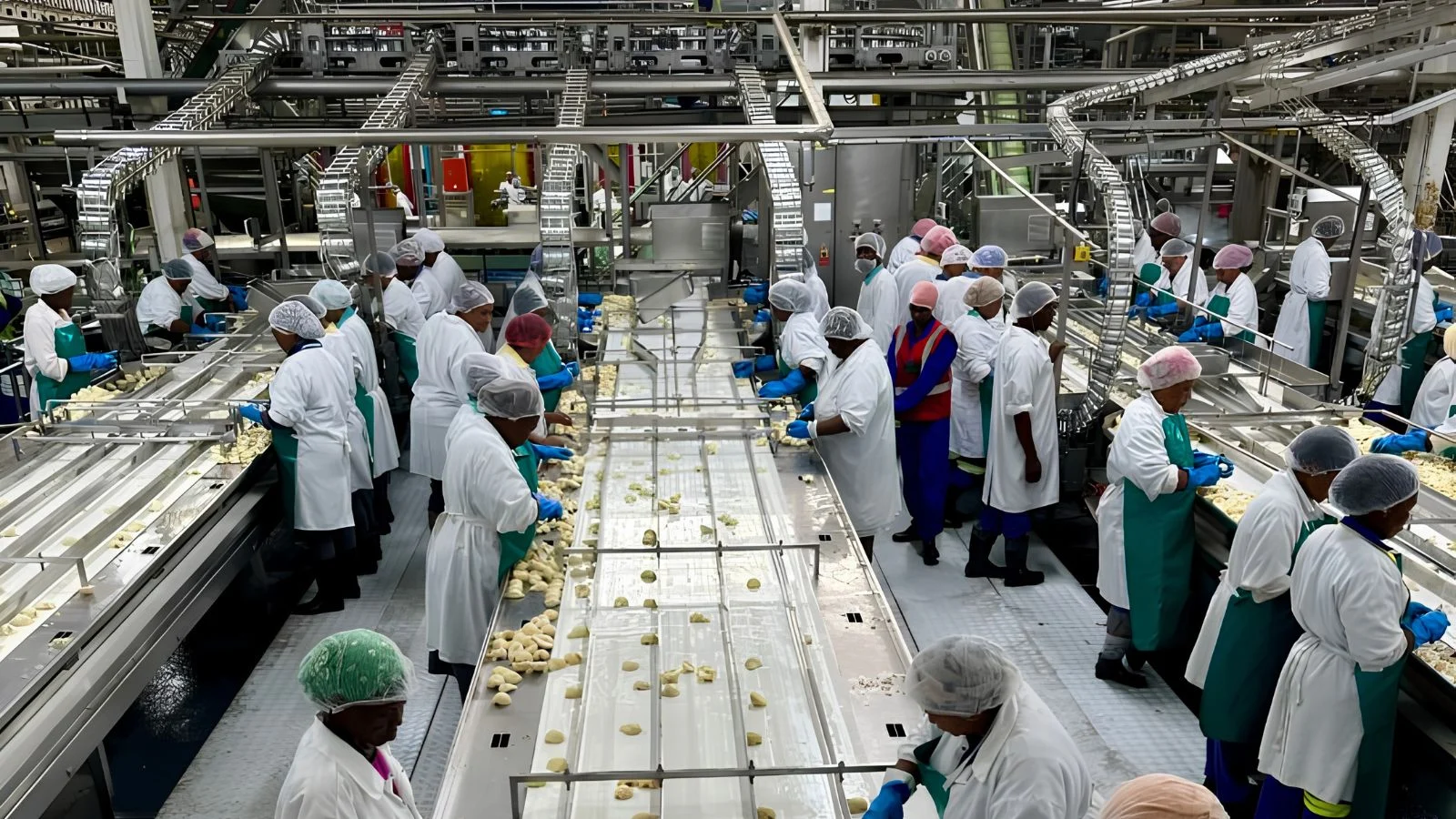

Just days after Premier Foods announced a Section 189 consultation to wind down its Fruit Products Western Cape (FPWC) processing plant in Tulbagh, South Africa’s agricultural sector has mobilized. What began as a alarming corporate announcement has swiftly triggered a coordinated response across the stone fruit value chain.
In a landmark joint media release issued on 7 August 2026, AgriSA, Agri Western Cape, and the Canning Fruit Producers’ Association (IPV/CFPA) issued an urgent call for high-level intervention to prevent what they describe as an avoidable regional economic collapse.
Demanding Accountability and Dialogue
The united front of agricultural bodies is demanding immediate, direct engagements with Premier Group leadership. Their chief request is simple: pause the wind-down, honour existing contractual commitments, and keep the plant operational for the upcoming 2026/27 harvest season while a long-term solution is negotiated.
As highlighted in our August 6 report, the timing of Premier’s announcement—coming barely three months before the harvest—places an unmanageable burden on growers. Farmers have already incurred up to 60% of their annual production expenses in pruning, spraying, and irrigation.
The joint release underscores that growers invested between R500 million and R600 million into their orchards under multi-year rolling supply agreements. An abrupt shutdown effectively transfers total commercial risk onto producers who cannot simply divert 55,000 to 60,000 tonnes of highly perishable stone fruit into fresh produce markets without triggering widespread price crashes.
“This is not merely about a single factory. It is about farmers who have invested over decades, workers and communities whose livelihoods depend on this value chain, and productive agricultural capacity that cannot easily be recreated once lost,” stated Jannie Strydom, CEO of Agri Western Cape.
Update: In a late development reported by Landbouweekblad on 11 August Premier Foods confirmed it intends to pay affected canning farmers for their contracted incoming fruit, despite admitting it has no capacity to process the crop. Industry leaders caution that while this provides short-term financial relief for the immediate harvest, it leaves a devastating long-term void for future seasons and risks wasting tens of thousands of tonnes of produce if processing capacity is lost permanently.
The Push for a Commercial Alternative
Rather than accepting closure as a foregone conclusion, industry leaders are pushing for a structured transition similar to the framework that saved Langeberg & Ashton Foods. The joint bodies believe that with sufficient lead time, a sustainable outcome can be structured through collaboration among:
- Private Business & Potential Investors: Exploring potential buyer consortia or grower-backed acquisition models.
- Government & Finance Institutions: Providing development finance support and diplomatic trade intervention to address export tariffs.
- Labor & Producers: Securing temporary operational compacts to maintain processing capacity.
AgriSA CEO Johann Kotzé emphasized that the primary focus must be bringing all parties to the table while window of opportunity remains open to safeguard the region’s productive capacity.
A Sector at the Crossroads: What Tulbagh Means for South Africa’s Canning Industry
What Comes Next?
The response from organized agriculture makes one reality clear: Tulbagh’s processing infrastructure is national asset, not just a line item on a corporate balance sheet.
As pressure mounts on Agriculture Minister Willie Aucamp and Premier Group to find a workable path forward, the coming weeks will reveal whether public-private diplomacy can preserve South Africa’s agricultural sovereignty in the Western Cape.