

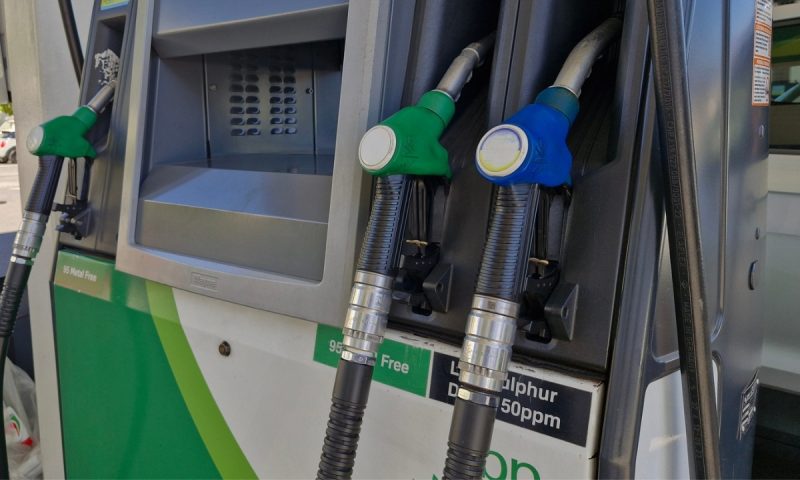

South Africa’s agricultural sector faces a severe cost crisis following record fuel price increases implemented on 7 October 2026. With wholesale 50ppm diesel jumping to R32.03/L at the coast and R33.29/L inland, primary producers and transport operators are being hit simultaneously across planting and export operations.
Long-standing Calls for Policy Relief
Agricultural bodies have long warned that the sector’s heavy reliance on liquid fuels makes food production highly vulnerable to international oil shocks. Agri SA and Grain SA have repeatedly called on National Treasury and the South African Revenue Service (SARS) to review the statutory pricing model and expand the diesel rebate system.
Because primary production machinery does not utilize public roads, farming unions argue that food producers should be shielded from road-related taxes like the General Fuel Levy (GFL) and Road Accident Fund (RAF) levy. With variable production costs exceeding R20,000 per hectare in key grain belts, agricultural economists emphasize that unaddressed fuel tax inflation directly threatens long-term food security and farm viability.
Field Operations Squeezed at Planting
For summer crop producers in the Free State, Mpumalanga, and North West, the diesel price jump arrives at the worst possible time. October marks the critical planting window for maize, soybeans, and sunflower. Fuel accounts for 13% to 15% of variable production costs, meaning per-hectare budgets are spiking while land preparation and tilling are actively underway.
Compounded by elevated fertiliser and crop protection expenses, grain producers face severe margin compression. Agri SA warns that high operational costs could force farmers to alter crop mixes toward lower-input crops like sunflower or leave marginal fields unplanted ahead of a predicted El Niño season.
Export Bottlenecks and Freight Surcharges
In the Western Cape, exporters are struggling to calculate cost-to-market margins right as the high-value export season gets underway. Terry Gale, Chairperson of the Cape Chamber’s Product Business Environment Portfolio Committee, highlights the timing:
“As the deciduous fruit season starts within the next two months and the first grape exports begin within weeks, farmers face immense difficulty calculating cost-to-market in an ever-changing landscape,” Gale warns. “Transporters are forced to add fuel surcharges that can add an additional 50% or more to base tariffs, fluctuating monthly.”
With no active domestic refineries operating to cushion international crude oil spikes, local supply chains remain fully exposed. Transporting temperature-sensitive fruit from orchards to cold stores and port terminals requires continuous diesel burn, making cold-chain logistics exceptionally vulnerable.
Accelerating Road Freight Alternatives
The Road Freight Association (RFA) and the Cape Chamber stress that this shock underlines South Africa’s over-reliance on road transport. RFA CEO Gavin Kelly notes that transport companies are pursuing operational changes:
US Mission Targets Market Access and Tariff Relief for Western Cape Agri-Exporters
Operational Efficiency: Optimizing routes, adjusting loading times to avoid road congestion, and tightening driver management.
Fleet Transition: Accelerating trial runs for heavy battery-electric vehicles (EVs) on regional transport corridors.
Rail Restoration: Pressuring government to restore state freight rail infrastructure connecting farming regions directly to key export ports.
With Central Energy Fund projections signaling potential further price hikes in November, industry leaders urge agribusinesses to focus on operational resilience rather than wait for short-term policy relief.