


Premier Foods’ announcement that it has initiated a Section 189 consultation process to wind down its Fruit Products Western Cape (FPWC) processing facility in Tulbagh has sent shockwaves through South Africa’s agricultural sector. With 55,000 to 60,000 tonnes of annual processing capacity on the line, the decision exposes the acute vulnerabilities of the country’s stone fruit value chain—and raises an urgent national question: how do we safeguard essential infrastructure before rural economies collapse?
The Structural Squeeze: Why Tulbagh is Under Threat
The proposed closure is not an isolated corporate decision; it is the symptom of a global storm. Upward of 90% of the Tulbagh facility’s canned fruit is destined for export markets. Local canneries have been severely squeezed by escalating input costs, shifting international demand, high freight charges, and severe trade friction—including punitive import tariffs in key global markets.
For producers, the timing is particularly critical. Announced just three months before the start of the stone fruit harvest, growers have already incurred up to 60% of their annual production costs in pruning, fertilization, spraying, and irrigation.
As Canning Fruit Producers’ Association (CFPA) CEO Jacques Jordaan points out: “Closing the Tulbagh factory immediately, only three months before harvest, without meaningful consultation and despite existing rolling three-year supply agreements, is neither commercially responsible nor fair. Producers cannot stop production three months before harvest and rip out R500 million to R600 million in investments made for this factory.”
Hortgro stone fruit director and local farmer Charl Herbst echoes this concern, warning that diverting volumes to fresh produce markets is impossible: “Diverting significant volumes into the fresh produce market would inevitably depress prices, leaving many growers unable to recover production costs.”
Lessons from Ashton: The Blueprint for Survival
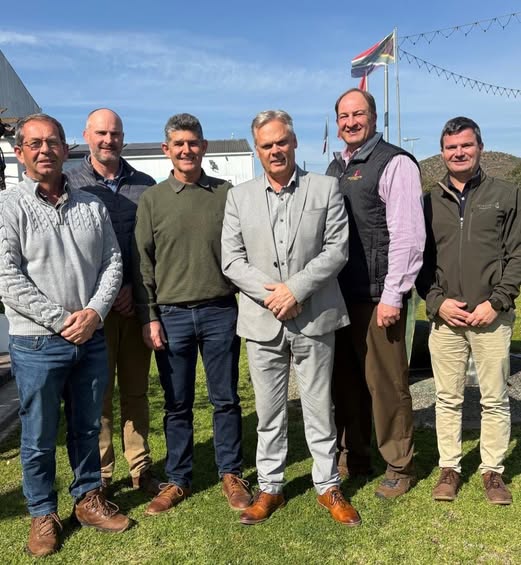
This crisis directly mirrors the plight of Langeberg & Ashton Foods (L&AF) when Tiger Brands sought to shutter its processing operations. The Ashton experience offers three vital lessons for Agriculture Minister Willie Aucamp and industry task teams following their recent emergency talks in Robertson:
- Time is the Essential Currency: An abrupt shutdown transfers 100% of the commercial risk onto farmers. In Ashton, sustained engagement persuaded corporate leadership to extend operations across seasons, buying critical lead time for a structured exit.
- The Power of the Grower Consortium: Ashton was ultimately saved when a grower-led cooperative acquired the asset. A similar producer-backed acquisition model could save Tulbagh, provided commercial banks and development finance institutions back the transition.
- Capacity Belongs to the Entire System: Remaining facilities in the province are already operating near peak capacity and cannot absorb an extra 60,000 tonnes of fruit. Losing Tulbagh permanently would strip South Africa of its last major processing buffer.
The Way Forward: Securing Agri-processing Sovereignty
Agri-processing facilities are not mere corporate balance-sheet items; they are anchoring infrastructure for entire rural ecosystems. The Tulbagh factory supports 3,500 factory roles, over 2,000 permanent farmworker positions, 200 commercial growers, and generates R1.0 billion to R1.2 billion in annual export earnings.
US Tariffs Move to 12.5%: What the Final Section 301 Ruling Means for SA Agriculture
Minister Aucamp’s intervention must move from initial dialogue to a concrete three-point strategy: negotiate an immediate seasonal operational compact with Premier Foods; construct a public-private financing framework for a grower buyout; and aggressively pursue high-level trade diplomacy to reduce export tariffs. Once an orchard is uprooted and a cannery goes dark, rebuilding that processing sovereignty becomes nearly impossible.