

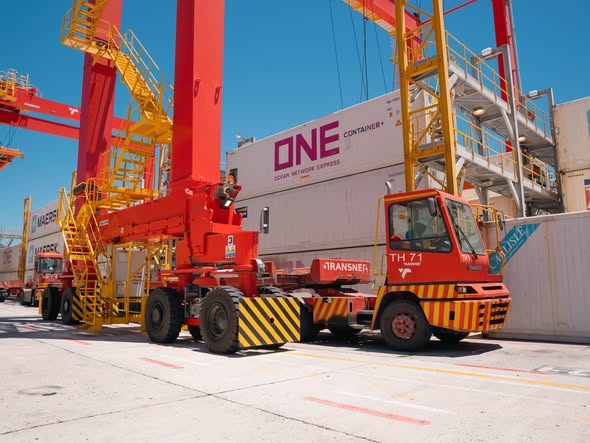

Following a series of aggressive infrastructure interventions that have steadily reversed the historical logistical backlogs at the Cape Town Terminal complex, the next phase of the port’s structural evolution has officially begun. Transnet National Ports Authority (TNPA) has moved from preparation to execution, formally opening the bidding process for private sector partners to redevelop and operate the port’s critical Multi-Purpose Terminal under a 25-year concession.
The formal Request for Proposals (RFP) specifically targets berths B, C, and D. For the Western Cape’s agricultural sector, this long-term concession represents the realization of the privatization push outlined by provincial leadership just last month. Bringing in private operators is a central component of Transnet’s Reinvent for Growth strategy, designed to inject the external capital and specialized management needed to permanently lock in recent efficiency gains.
The R6 Billion Stakes for Western Cape Agriculture
The timing of this concession is critical for fruit exporters who rely on the Multi-Purpose Terminal to move a complex mix of break-bulk and containerized agricultural cargo. While the quiet, live recovery on the quayside has offered massive relief to local table grape and stone fruit growers, long-term structural certainty is what the industry requires to thrive.
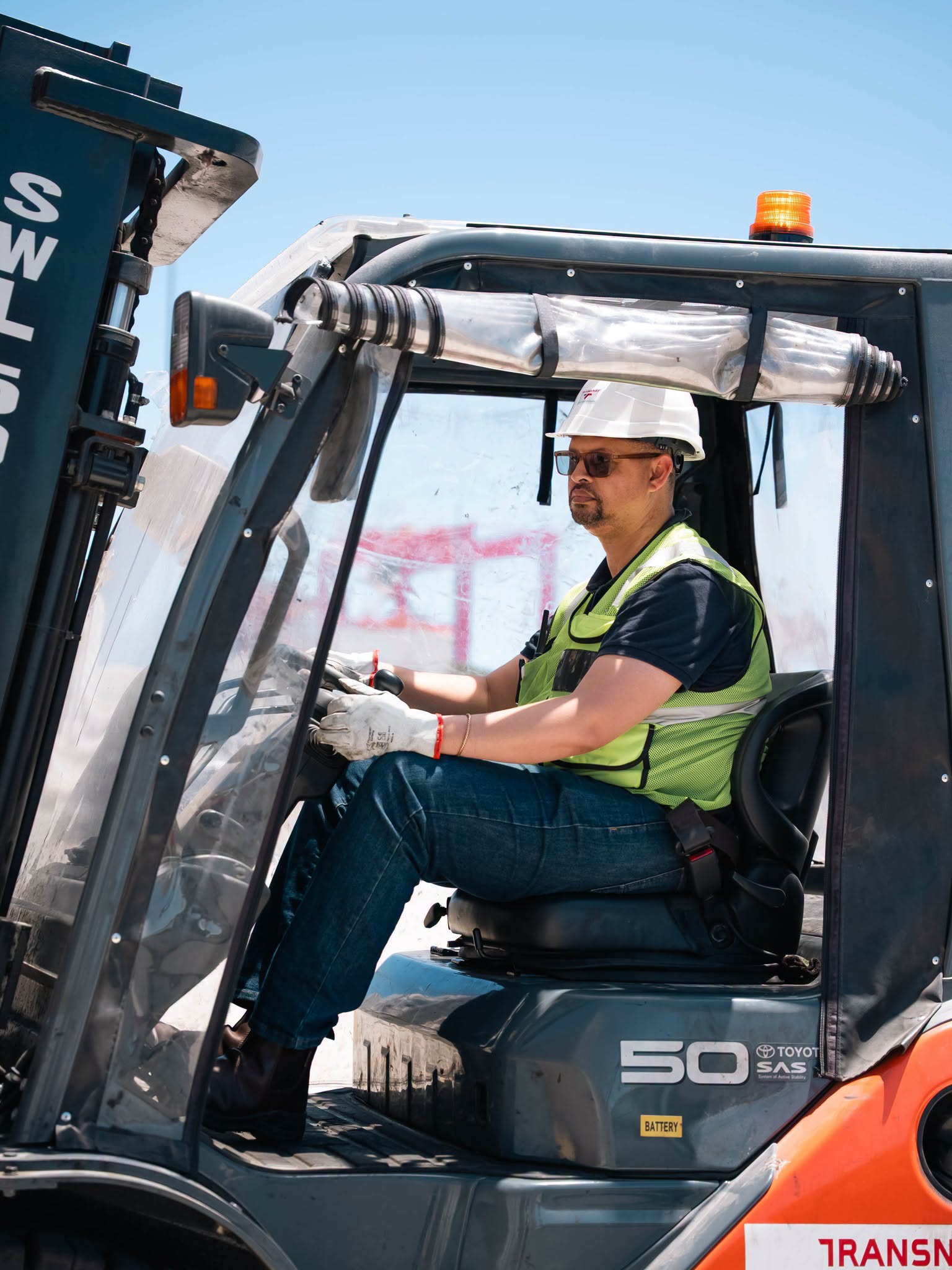
The economic baseline for this privatization model is massive. Research commissioned by the Western Cape Government indicates that transforming the Port of Cape Town into a highly efficient, world-class hub will unlock an estimated R6 billion in additional exports, support nearly 20,000 regional jobs, and generate over R1.6 billion in additional tax revenue. Industry stakeholders have consistently argued that private sector integration is the most sustainable way to secure the highly predictable cold-chain logistics required for delicate, perishable exports.
Inheriting a Stabilizing Port Environment
Unlike previous years where private partners would have inherited a collapsing system, any successful bidder for the Multi-Purpose Terminal will now step into a stabilizing port environment. As previously reported, targeted internal recovery plans by TNPA have already yielded measurable operational improvements across the complex:
- Vessel Turnaround: The Container Terminal’s Ship Turnaround Time (STAT) has maintained its downward trajectory, dropping from a painful 103 hours in the 2023/24 financial year to an impressive year-to-date average of just 58 hours for 2026/27.
- Anchorage Relief: Average vessel waiting times at anchorage have remained low, holding at a 79-hour average compared to the historic 127-hour delays of 2023/24.
- Weather Resilience: The permanent deployment of ten hydraulic shore tension units continues to successfully mitigate Cape Town’s notorious surge conditions, keeping long-wave-related operational downtime down by 92%.
Acting Port Manager Ophelia Shabane reiterated that these steady turnarounds demonstrate the clear impact of targeted infrastructure investments and strong collaboration with stakeholders.
Cape Town Port Transitions from Past Failures to Live Recovery
Timeline for Bidders
The multi-purpose terminal concession builds on a broader rollout of private sector participation at the port, where nine out of eleven active terminals are already privately operated. This follows recent, separate calls for private sector proposals to operate the port’s Liquid Bulk and cold storage terminals.
The formal request for proposals window gives local and international maritime consortia a clear timeline to submit their development and operational bids. The closing deadline for the private sector to submit final bids for this multi-purpose terminal concession is 20 November 2026, setting a definitive target date for the port’s next operational era.