


While the Western Cape Export Strategy 2035 sets its sights on an ambitious R1 trillion economy, the provincial government openly acknowledges a harsh reality: we cannot triple our exports if our logistics corridors remain blocked.
For the agricultural sector, which drives roughly half of the province’s entire export economy, shipping delays and trade barriers are not just administrative nuisances—they are direct threats to farm profitability and rural jobs.
With the 2035 strategy, the Western Cape Government is shifting from policy to direct intervention, targeting port operations, global compliance, and trade barriers to get Cape produce to global markets faster and cheaper.
Fixing the Port of Cape Town
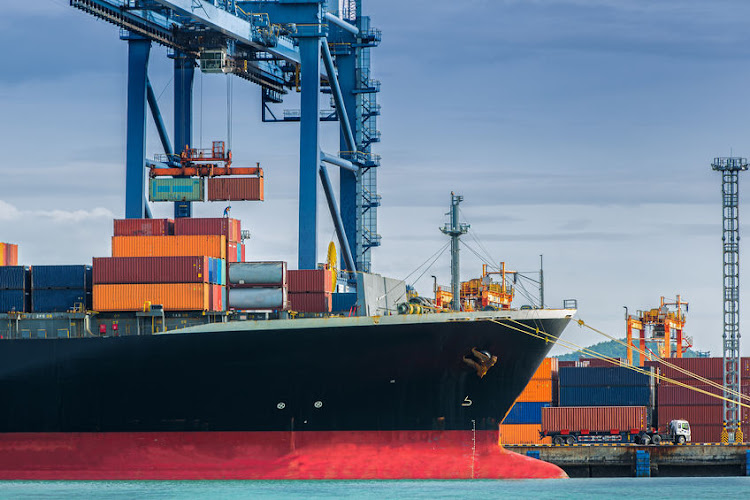
At the absolute centre of the logistics challenge is the Port of Cape Town. Operational delays, equipment shortages, and wind disruptions have heavily penalized local growers in recent seasons.
During past peak export periods, systemic inefficiencies forced the costly diversion of an estimated 55,000 tonnes of table grapes—along with massive volumes of apples, pears, and stone fruit—to ports in the Eastern Cape.
“A non-performing Port of Cape Town places a direct and unsustainable financial burden on our producers,” warns Dr Ivan Meyer, Minister of Agriculture, Economic Development and Tourism. “Every delay and diversion erodes farm profitability, threatens export competitiveness, and places jobs at risk.”
To address this, the 2035 strategy prioritizes intense collaboration with Transnet and industry stakeholders to improve equipment reliability, streamline labour management, and implement robust contingency planning. Crucially, the provincial government is advocating for accelerated private sector participation in the port’s operations to inject the investment and efficiency required to run a world-class terminal.
Overcoming Compliance Barriers: The ECEP Fund
Even if the ports run smoothly, agricultural exporters face a second massive hurdle: international standards. To enter high-value markets in Europe, Asia, the US, or the Middle East, local producers must navigate a minefield of safety certifications, complex packaging requirements, and sanitary regulations.
For many mid-sized and emerging farmers, the high cost of compliance acts as a barrier to entry. To level the playing field, the Western Cape Department of Economic Development and Tourism administers the Export Competitiveness Enhancement Programme (ECEP).
The ECEP fund provides direct financial support to qualifying Western Cape businesses to help them meet international market demands. This support includes funding for:
- International Certifications: Helping farms secure global safety and quality standards (such as FSSC, ISO, Halal, and Kosher).
- Product Reformulation & Testing: Meeting strict chemical residue limits and nutritional analysis requirements of importing nations.
- Packaging & Labeling: Adjusting design and printing to meet international language and regulatory standards.
Opening New Frontiers via the AfCFTA
Logistics reform is not just about keeping European supermarket shelves stocked. The 2035 strategy is heavily focused on leveraging the African Continental Free Trade Area (AfCFTA).
R1 Trillion Goal: Western Cape Launches Ambitious Export Strategy 2035
By improving regional transport infrastructure, reducing cross-border red tape, and lowering trade barriers, the Western Cape aims to position itself as the agricultural and machinery hub for the rest of the African continent. Whether it is fresh produce or Cape-manufactured agricultural implements, the goal is to establish seamless supply lines moving north.
Get the Strategy: A copy of the strategy can be downloaded at https://www.westerncape.gov.za/edat/western-cape-export-strategy-2035