


To protect the Western Cape’s multi-billion-rand agricultural export sector, South Africa has had to transition rapidly from deep, systemic frustration to active, ground-level execution. For an industry supporting 320,000 rural livelihoods, harbour efficiency is a baseline requirement for farm survival. To understand where the port stands today, one must separate retrospective global rankings from real-time progress.
The Gap: Why the Global Index Lagged Behind Reality
On 10 June 2026, the World Bank and S&P Global released the latest Container Port Performance Index (CPPI), placing the Port of Cape Town at the bottom (400th globally).
However, this ranking was highly retrospective, measuring a 12-month period spanning 1 January to 31 December 2025. It captured a painful past calendar year plagued by severe winds, equipment shortages, and massive delays—a bottleneck that cost local table grape and stone fruit growers over R4.2 billion in lost revenue and degraded quality. But while the index painted a bleak historical picture, a quiet, physical turnaround was already actively underway on the quayside.
The Quiet Recovery: Turning the Tide on the Ground
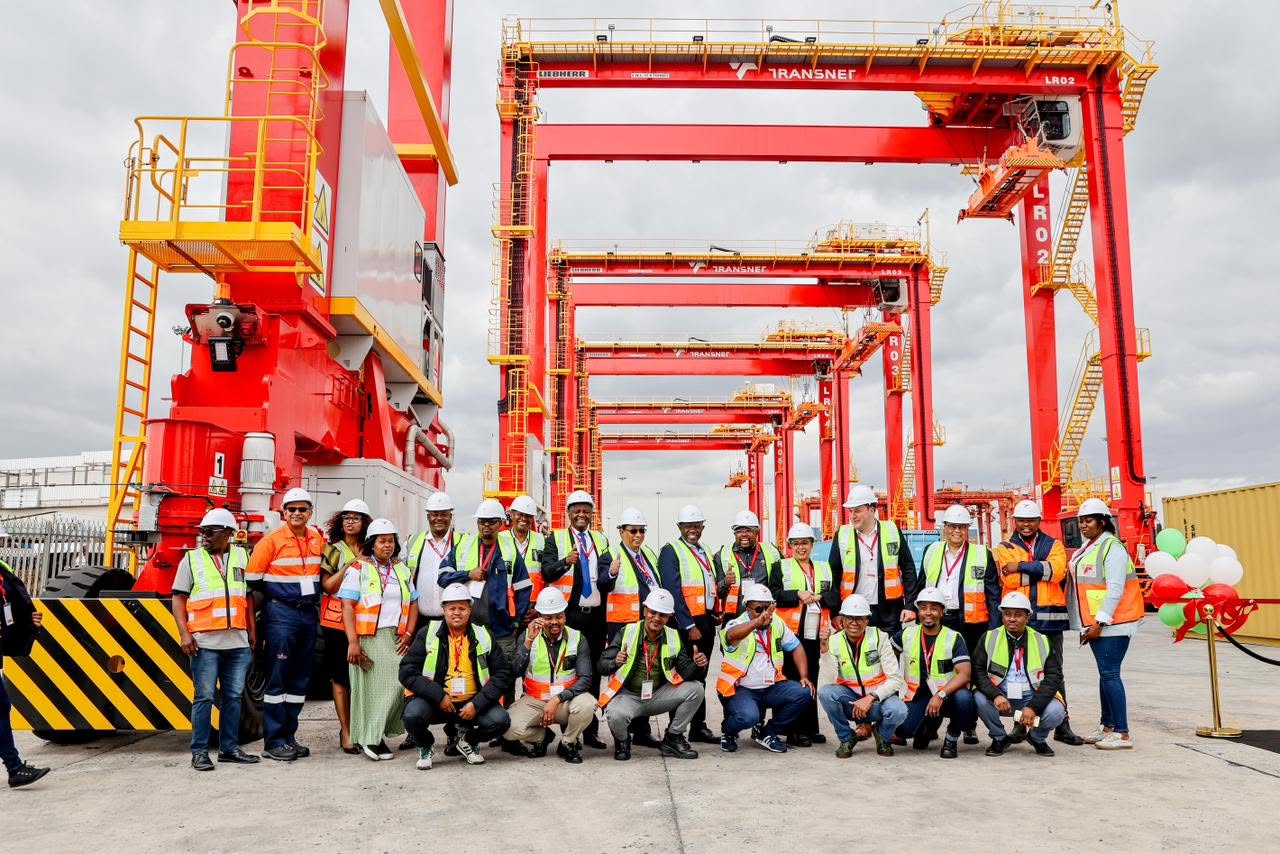
Contrary to the lagging index, Transnet National Ports Authority (TNPA) and local port operators had already begun implementing aggressive operational changes late last year. By investing in infrastructure and addressing legacy failures, the live data for the 2025/26 financial year was already showing a dramatic upward trajectory:
- Vessel Turnaround: Container terminal Ship Turnaround Times (STAT) consistently dropped from 103 hours in 2023/24, to 74 hours in 2025/26, and plummeted to a live year-to-date average of just 58 hours in July 2026.
- Anchorage Waiting: Average vessel waiting times at anchorage fell from 127 hours (2023/24) to 79 hours (2025/26).
- The Swell Solution: The permanent deployment of ten hydraulic shore tension units successfully stabilized docked ships against severe swells, reducing long-wave operational downtime by 92% since 2023/24.
TNPA Acting Port Manager, Ophelia Shabane, confirmed these quiet gains were driven by improved terminal handling rates and the virtual elimination of marine-related delays like pilotage and tug coordination.
Divergent Cargo Trends
This operational healing allowed the port to handle shifting trade dynamics across diverse cargo sectors in 2025/26:
- Containers: Rose by 6.5%, supported by record deep-sea import and export volumes.
- Liquid Bulk & Break Bulk: Increased by 10.3% and 25.5% respectively.
- Dry Bulk: Decreased by 42.8%. Crucially, this drop represents positive local news: bumper regional harvests reduced the Western Cape’s reliance on imported grains like maize and barley.
The Catalyst: Locking in the Gains
With the physical recovery already showing promise, the Western Cape Government stepped in to ensure these gains are sustained. On 22 June 2026, Minister of Agriculture Dr. Ivan Meyer officially outlined a four-point plan to partner with Transnet, FPEF, Hortgro, and Sati to lock in these operational improvements:
- World Bank Alignment: Comparing CPPI data with the Western Cape’s own Digital Logistics Planning Platform (DLPP).
- Transnet Engagement: Directly addressing vessel sequencing, container stack management, and wind-related disruptions.
- Congestion Management: Expanding landside night-shift operations and increasing the use of inland terminals during peak export periods.
- Privatization Push: Promoting private sector participation—while 9 out of 11 terminals are already privately operated, TNPA is preparing RFPs for a multipurpose terminal and a new floating dock.
The upcoming peak harvest will test this newly optimized system to its limits. But with on-the-ground recoveries already proven, and a provincial strategy now actively locking them in, the Port of Cape Town is no longer merely treading water—it is actively charting a course toward sustainable recovery.