

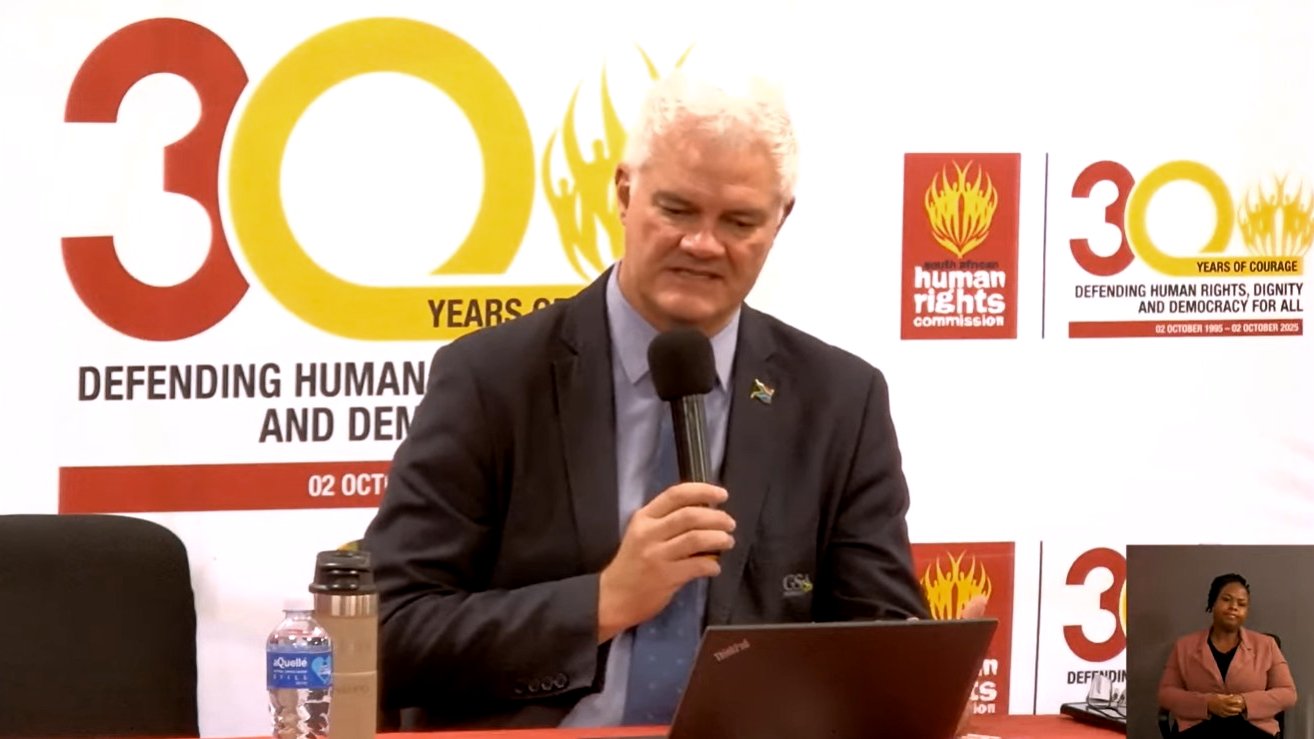

At the South African Human Rights Commission’s (HRC) National Investigative Hearing into food systems, Grain SA firmly established that national food security depends entirely on a financially viable farming sector. Presenting on 7 July 2026, Grain SA CEO Dr. Tobias Doyer warned that if producers cannot recover their rising input costs, the country’s long-term production capacity and rural economies will face severe risk.
Farmers Not to Blame for High Shelf Prices
A key focus of Grain SA’s presentation was correcting the misconception that primary producers dictate retail food inflation. Dr. Doyer emphasized that prices paid to farmers do not equate to shelf prices, as producers operate as price-takers who absorb immense value-chain pressures.
The Bread Breakdown: Grain SA revealed that less than 20% of the final retail price of a loaf of bread is linked to the actual price of wheat.
Post-Farm Cost Drivers: The remaining 80% is driven by processing, milling, baking, packaging, retail margins, and soaring energy and transport costs.
Infrastructure and Input Pressures
The organization highlighted that deteriorating logistics are actively driving up the cost of food. Substandard roads and railway constraints increase the cost of moving grain from rural hubs to major consumption centers.
Furthermore, local grain farmers are facing immense pressure from climbing fuel, fertilizer, and electricity costs. Grain SA noted that while these input costs squeeze farm-level profitability immediately, they are rarely recovered quickly in commodity markets, forcing farmers to act as the primary cost absorbers in the food chain.
Level Playing Fields and Fair Trade
On international trade, Grain SA reiterated its support for open markets but drew a hard line on unfair competition. The organization stressed that South African wheat and grain producers cannot compete on unequal terms against heavily subsidized international imports. Safeguarding local production capacity is vital not only for crop availability, but for preserving agricultural jobs and rural household incomes.
Science-Based Regulation and Development
To keep local production efficient and globally competitive, Grain SA called for practical, science-based regulations regarding new technologies, precision breeding, and crop protection tools.
Additionally, the group highlighted its ongoing transformation initiatives, such as the Phahama Grain Phakama (PGP) program, which delivers mentorship and technical guidance to emerging and subsistence farmers. Grain SA noted that unlocking the potential of developing farmers requires tangible state support, including secure land tenure and better access to finance.
“Farmers cannot be held solely responsible for consumer food prices, but without viable farmers, the country’s food security is placed at risk. A viable production base is not in conflict with food affordability — it is a prerequisite for it.” — Dr. Tobias Doyer, Grain SA CEO.