

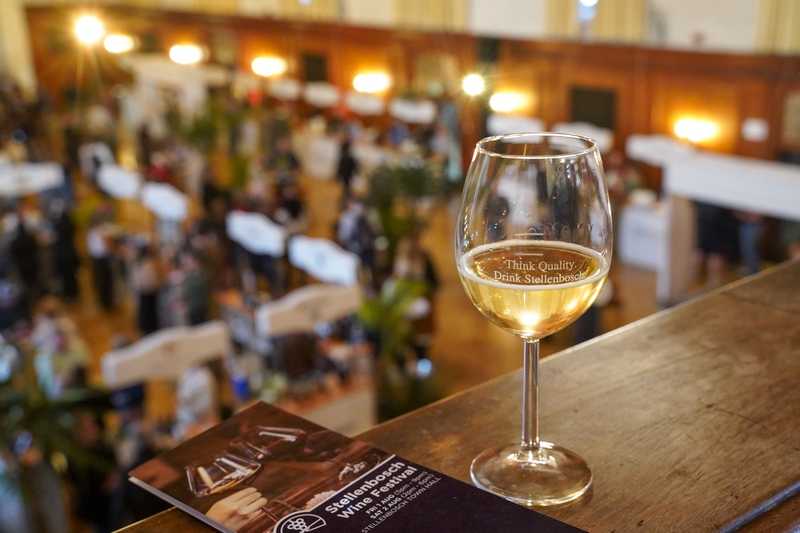

When South Africa’s foundational Wine of Origin (WO) legislation was formally established, it formalized what local producers already knew: the unique intersection of decomposed granite soils, shale-rich mountain slopes, and the maritime cooling breezes of False Bay makes Stellenbosch a global viticultural powerhouse. This year, as Stellenbosch Wine Routes celebrates its 55th anniversary, the upcoming Wine Town Stellenbosch (25 July – 2 August) serves as more than a lifestyle showcase. It is a masterclass in agricultural resilience, structural evolution, and economic value creation.
What began in 1971 as a visionary network of three estate pioneers has grown into a collective representing more than 200 producers across eight distinct, legally demarcated wards. Today, the district encompasses approximately 17,500 hectares under vine—accounting for nearly one-fifth of South Africa’s total vineyard footprint and yielding 14% of the national wine output. For agricultural economists and primary producers alike, Wine Town is a high-yield vehicle for direct-to-consumer trade and regional agro-tourism branding.
Demystifying Terroir Through Targeted Events
The 9-day program offers an inside look at how microclimates shape the region’s benchmark varietals. At DeMorgenzon Wine Estate, the Journey into Chenin Blanc demonstrates how topography influences vine physiology. DeMorgenzon’s south-facing vineyards leverage cooler microclimates to protect acidity in the grapes, yielding finely poised, ethereal expressions of the cultivar.
Meanwhile, back-vintage showcases highlight the longevity of the region’s fruit. Simonsig’s Vintage Day on Saturday, 25 July marks the 55th anniversary of Kaapse Vonkel, the country’s pioneering Method Cap Classique. For viticulturists, sampling these library collections offers invaluable historical data on how older vine blocks adapt over decades, validating long-term soil management and clonal selection strategies.
The Peak of the Value Chain: The Stellenbosch Wine Festival
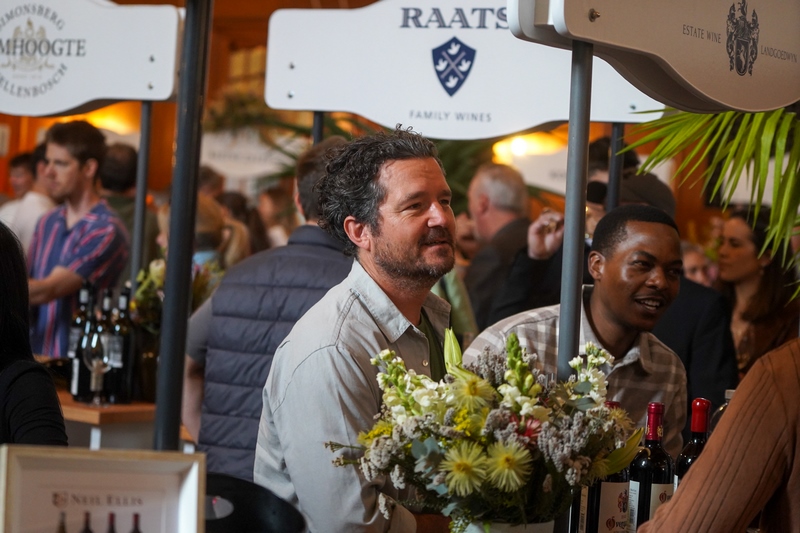
The culmination of the week is the Stellenbosch Wine Festival, hosted at the historic Town Hall on Friday, 31 July and Saturday, 1 August. This event brings the agricultural supply chain full circle, placing over 60 producers and more than 200 wines under a single roof.
From an agribusiness perspective, the festival functions as a high-density sensory market. It allows estates to showcase premium value-added products directly to consumers, bypassing traditional wholesale bottlenecks. With tickets priced at R600 online (inclusive of 20 tasting tokens and a culinary harvest table curated by chefs Bertus Basson and Adele Grewar), the festival bridges the gap between primary farming and luxury hospitality.
Driving Regional Agro-Tourism
The economic impact extends deep into the secondary local economy. By partnering with selected accommodation establishments to offer 15% to 20% discounts and collaborating with local restaurants to provide complimentary pours during the event, the initiative successfully mitigates the typical winter seasonal slump for the agricultural community.
Fifty-five years since its inception, Stellenbosch Wine Routes proves that sustainable agriculture requires more than nurturing the soil—it requires innovative market access. Wine Town Stellenbosch remains a premier case study in how a unified regional brand can elevate primary agricultural yields into world-class economic assets.
For full event schedules, technical workshop details, and booking information, visit winetown.wineroute.co.za.