

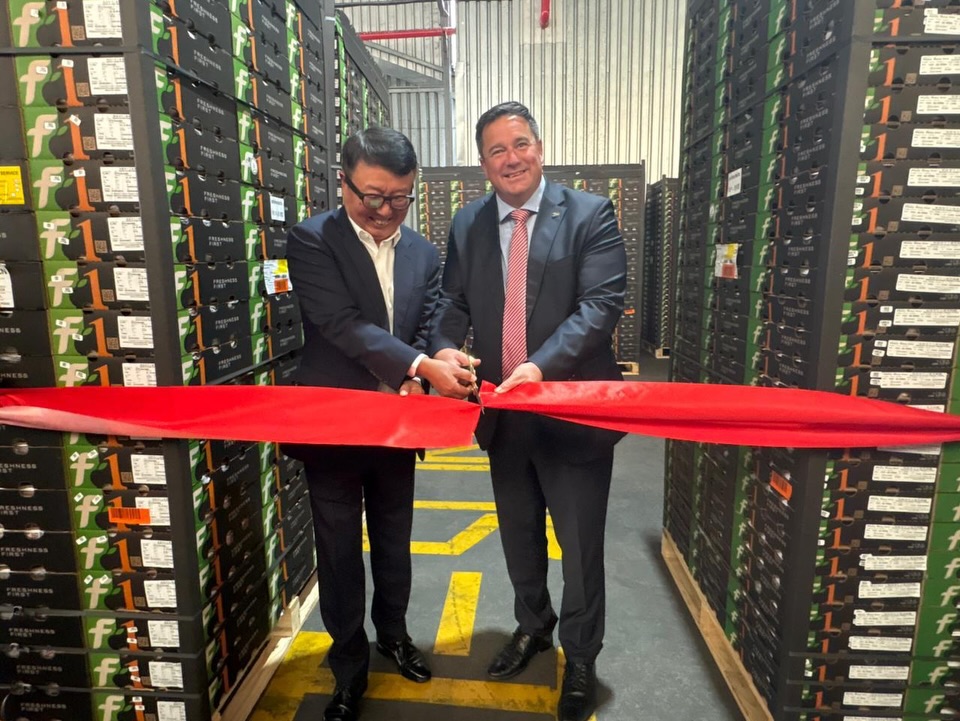

South Africa has reached an important milestone in agricultural trade with the departure of its first shipment of locally produced stone fruit to China. The consignment, prepared in Franschhoek in February, represents more than a single export event — it signals the opening of a major new market for the country’s deciduous fruit industry.
The shipment follows years of technical negotiations and cooperation between South African and Chinese authorities, culminating in the implementation of a formal stone fruit trade protocol.
A Breakthrough for the Deciduous Fruit Industry
The inaugural shipment consists of approximately 20,000 cartons of premium plums, primarily from the African Delight and Ruby Star varieties. While modest in volume compared to South Africa’s total fruit exports, its symbolic value is significant.
For producers, exporters, and packhouses, access to the Chinese market offers a new outlet at a time when global trade conditions remain uncertain. The protocol provides a framework for phytosanitary compliance, traceability, and quality assurance — requirements that South African growers are well positioned to meet.
Why China Matters
China is the world’s largest agricultural importer, purchasing an estimated US$200 billion in agricultural products annually. Despite this, South Africa currently holds only a small share of that market.
Gaining access for stone fruit creates an opportunity to diversify export destinations beyond traditional markets such as Europe and the United Kingdom. Diversification is increasingly important as producers face rising input costs, climate risks, and shifting trade policies in established markets.
Crucially, the agreement grants South African produce tariff-free access, significantly improving competitiveness against other exporting countries.
Economic Impact and Growth Potential
The stone fruit protocol is expected to support export growth and rural employment across the value chain — from orchards and packhouses to logistics and cold storage. Industry estimates suggest that exports to China could double in value over the next four years as volumes increase and additional fruit categories are approved.
This growth potential is particularly relevant for plum producers, who have faced pressure from tariffs and market constraints elsewhere. China’s large consumer base and growing demand for high-quality imported fruit offer a promising alternative.
Expanding the Basket: Cherries and Blueberries Next
The stone fruit shipment is only the first phase of a broader export expansion strategy. Government has confirmed that protocols for cherries are nearing completion, with blueberries expected to follow later in the year.
If concluded, these agreements would further strengthen South Africa’s position as a reliable supplier of premium fruit to Asia and reduce reliance on a narrow range of export markets.
A Collective Industry Effort
The success of the first shipment reflects sustained collaboration between government, industry bodies, growers, and packhouse operators. Meeting China’s rigorous phytosanitary standards requires discipline, investment, and strict adherence to protocols — all of which are already hallmarks of South Africa’s export fruit sector.
As the first cartons make their way to Chinese consumers, the industry is looking ahead. The real significance of this milestone lies not only in what has shipped, but in the long-term opportunities now firmly within reach.