

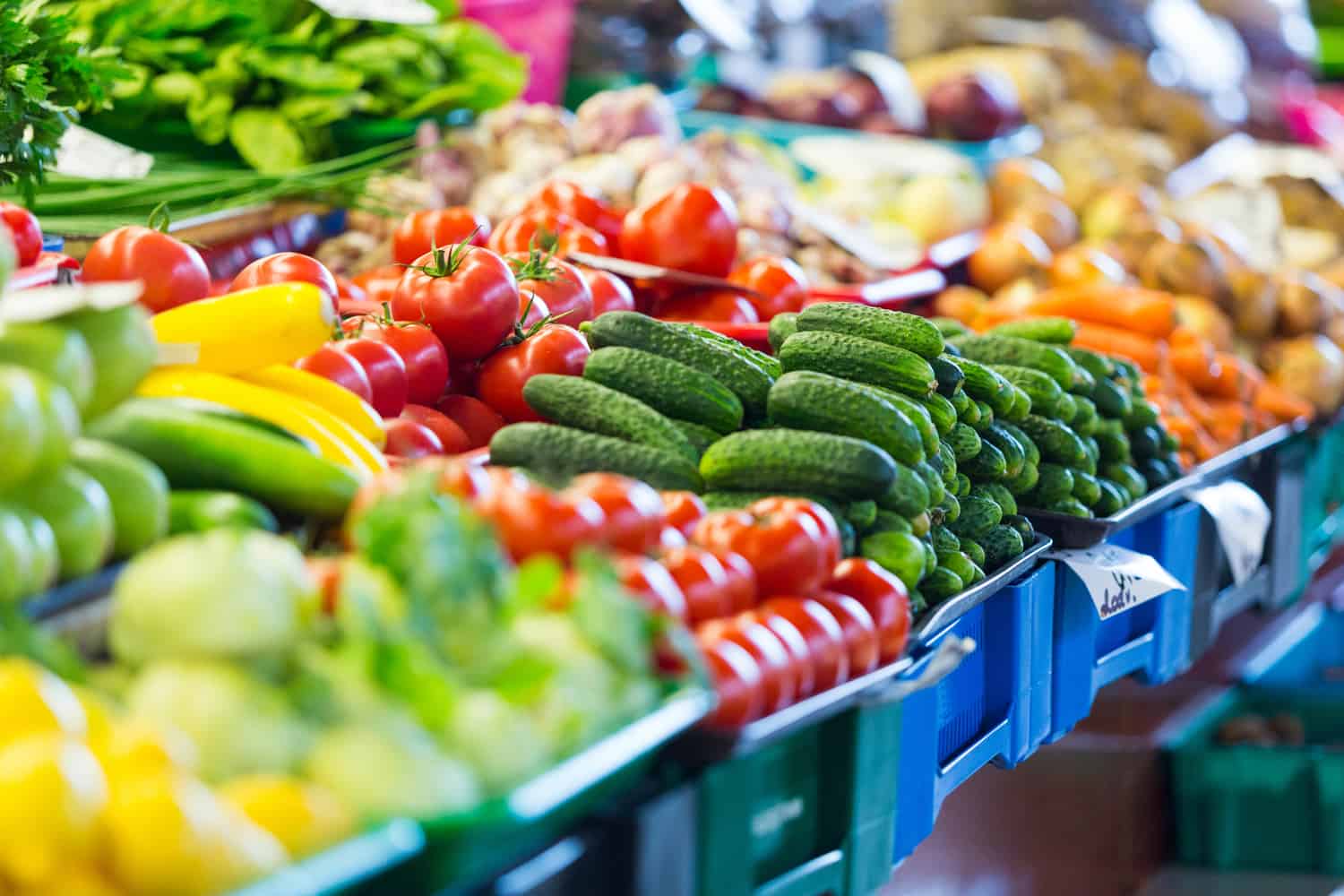

While more than 63% of South African households grapple with varying levels of food insecurity, a staggering volume of fresh nutrition never reaches the consumer. Recent doctoral research from Stellenbosch University has exposed a quiet crisis at the nation’s wholesale hubs, where between 9,124 and 17,969 tonnes of fruits and vegetables are wasted annually.
 To put this into perspective, that is the equivalent of up to 900 fully loaded large trucks of food being discarded every year. According to Dr. Ikechukwu Opara, a food systems researcher who recently obtained his doctorate in Food Science, this waste is a direct threat to national food security and economic stability.
The “Hidden” Wholesale Gap
Most agricultural research focuses on the farm gate or the retail shelf, but Dr. Opara chose to shine a light on the often-overlooked middle: the wholesale market. By monitoring operational processes and conducting laboratory simulations, he identified that the later stages of the value chain are where information gaps lead to massive losses.
“The lack of comprehensive data at wholesale markets makes it difficult to identify waste hotspots accurately,” says Opara. This data vacuum hinders the development of tailored interventions needed to stop the rot before it starts.
A Lethal Break in the Cold Chain
The research identifies a familiar enemy for the industry: the “break in the cold chain.” Dr. Opara found that the most significant challenges occur during the receipt of produce. Operational delays often mean that crates of fresh fruit sit in ambient temperatures for hours before being moved into optimal storage.
This is particularly acute during the summer months when temperatures rise and markets are at their highest capacity. “Cold storage units and operations must be improved to cater for the volume of produce supplied during peak periods,” Opara warns. Furthermore, transportation in unrefrigerated vehicles subjects produce to unfavorable humidity, accelerating respiration and shriveling, which leads to immediate downgrading and waste.
The AI Revolution: Machine Learning as a Shield
A groundbreaking aspect of Dr. Opara’s study is the application of machine learning (AI) to predict and prevent waste. He argues that “smart” markets are the only sustainable path forward.
By using machine learning tools, markets can implement:
Automated Monitoring: Systems that alert staff the moment temperature or humidity deviates from the set range.
Demand Forecasting: Optimizing the process of ordering and selling to prevent oversupply.
Dynamic Pricing: AI can track shelf life and recommend price adjustments that encourage quicker sales, ensuring produce is sold while still fresh rather than being binned.
The Human and Economic Cost
The consequences of this waste ripple far beyond the market floor. For the farmer, it means lower returns; for the consumer, it means higher prices. Opara points out that when postharvest losses reduce availability, prices spike, hitting low-income households the hardest.
“Addressing and reducing postharvest losses not only enhances food security but also alleviates negative economic impacts,” Opara concludes. By bridging the gap between AI-driven data and physical infrastructure, South Africa can begin to turn the tide on a crisis that currently sees hundreds of truckloads of nutrition go to waste.