

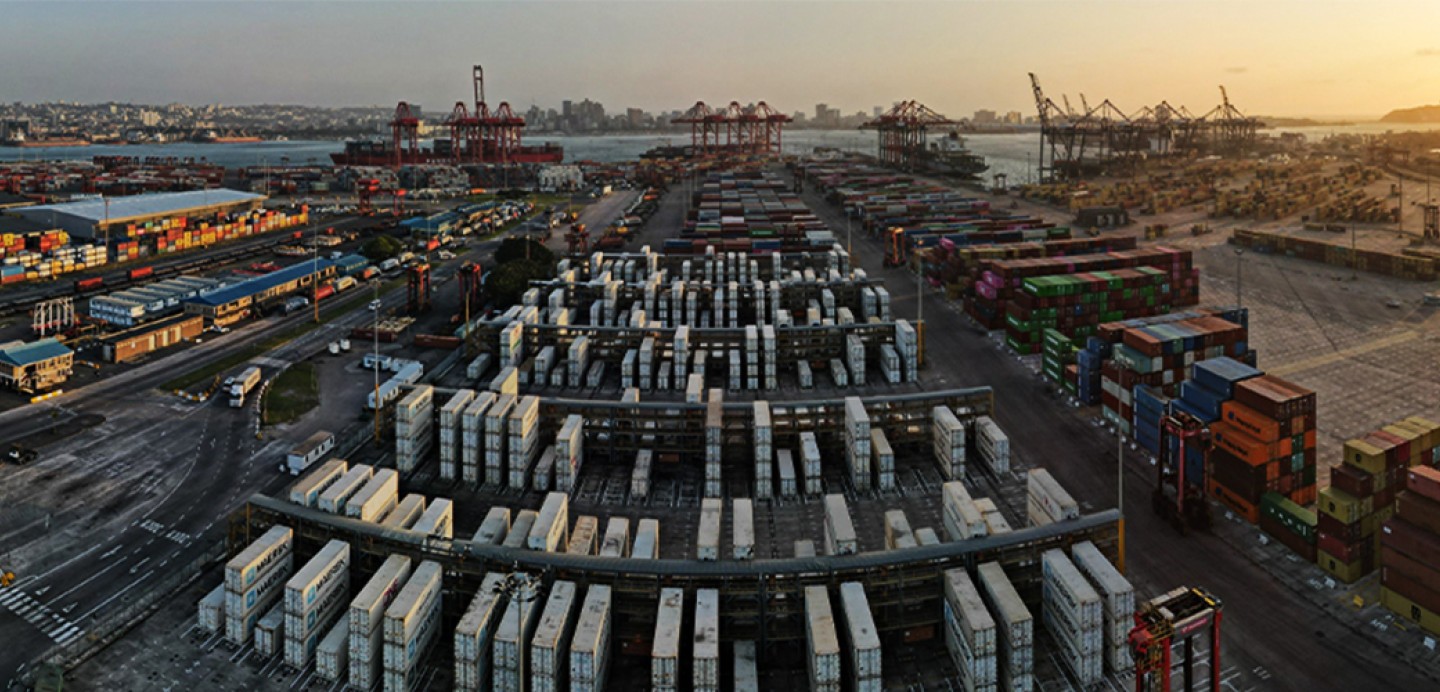

At the Durban Gateway Terminal (DGT)—formerly Durban Container Terminal Pier 2—a critical software transition on 15 August 2026, has spiralled into an operational crisis, disrupting logistics, creating severe landside delays, and endangering agricultural export trades.
System Cutover and Landside Gridlock
The bottleneck traces directly back to August 15, when DGT executed a scheduled transition to an independent web-based operating system, Navis N4 4.0. Designed to streamline operations under DGT’s private operating structure, the platform migration instead triggered processing bottlenecks across landside gates and container stacks.
Weekly terminal container throughput plummeted by 26% following the software changeover. Vessel waiting times at anchorage and berth increased, extending overall port call durations from under five days to over 12 days. On the landside, truck drivers faced queues lasting 24 to 30 hours to access booking slots and deliver export containers.
The extended delays directly impacted fresh produce shipments. Truck-mounted generator sets ran out of diesel while waiting in line, leading to loss of temperature control for refrigerated reefer containers. As a result, several high-value citrus consignments suffered heat damage and were subsequently rejected for export.
DGT Response and Emergency Measures
DGT operates under a 25-year public-private partnership where International Container Terminal Services Inc. (ICTSI) holds a 49% stake alongside majority shareholder Transnet (51%). Terminal management acknowledged the severe performance degradation caused by the software implementation and introduced temporary relief measures:
Fee Waivers: Storage charges for containers currently trapped inside the terminal facility were suspended until normal operations resume. DGT also asked shipping lines to grant extended demurrage and free-time relief to cargo owners affected by circumstances beyond their control.
Operational Restrictions: Gate acceptance for incoming reefer containers was temporarily paused to focus capacity on loading existing refrigerated stock onto export vessels. Dual landside transactions and stack rerouting were suspended, while truck appointment releases were set to a 24-hour rolling window updated every four hours.
Rail Evacuation: DGT partnered with Transnet Freight Rail to run additional container trains, accelerating import evacuations to clear space in the congested yard.
Citrus Industry and Supply Chain Stakeholder Stances
Reactions across the industry highlight the tension between long-term modernization efforts and immediate financial losses:
Citrus Growers’ Association (CGA): CEO Dr. Boitshoko Ntshabele confirmed ongoing daily engagements with terminal management to address the delays. The CGA noted that the terminal is navigating a necessary period of operational adjustment to secure long-term efficiency. The association reaffirmed its support for private-sector participation in South African ports and rail networks as essential for long-term growth.
Exporters and Transporters: Frustrated hauliers lodged formal complaints regarding operational delays, costs, and lost productivity. Logistics providers have actively evaluated alternative routes, including diverting fruit exports through the Port of Maputo in Mozambique to bypass Durban’s bottlenecks.
BigBucks Gala Secures European Plant Breeders’ Rights After Eight-Year Wait
National Logistics Escalation: The South African Association of Freight Forwarders (SAAFF), alongside the Road Freight Association (RFA), declared the situation an operational crisis. SAAFF requested direct intervention from the Presidency, prompting a government delegation to visit the terminal to help coordinate multi-sector recovery efforts across road, rail, and port operations.
DGT has deployed a dedicated technical hypercare team to stabilize the Navis N4 platform. While terminal fluidity is slowly improving, full operational recovery will depend on clearing backlogs and restoring steady equipment availability.