

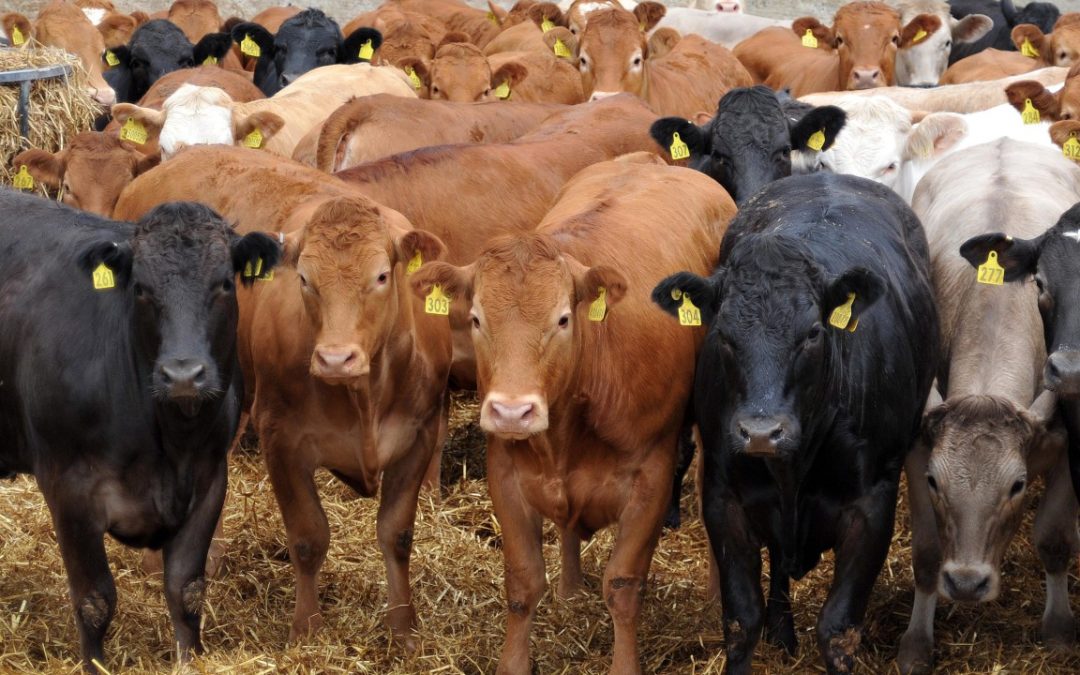

In a decisive move to combat the ongoing threat of Foot-and-Mouth Disease (FMD), Minister of Agriculture John Steenhuisen has formally appointed the FMD Industry Coordination Council. Announced on January 21, 2026, the council is designed to ensure that the private sector plays an active, coordinated role in the national strategy to contain and ultimately eradicate the disease.
Minister Steenhuisen emphasised that the government cannot resolve the FMD crisis in isolation. “We need the full strength of the private sector, farmers, and veterinarians collaborating with us,” he stated, adding that he is personally accountable for the delivery of the FMD roadmap.
A Triangular Partnership for Eradication
The council forms a critical leg of a “triangular partnership” established to manage the FMD response. While the Department of Agriculture handles policy and resourcing, and a Technical and Scientific Task Team provides veterinary expertise, the newly formed Industry Coordination Council will provide operational insight and unified industry input.
The council’s mandate includes mobilising sector actions, coordinating industry communication, and supporting the implementation of traceability and movement compliance.
The Appointees: Who They Are and What They Have Said
The council is comprised of nine specialists representing the breadth of South Africa’s agricultural value chain. Each brings a specific mandate to ensure the FMD roadmap is operationally sound:
Johann Kotzé (CEO of AgriSA): As the head of the country’s largest agricultural federation, Kotzé has expressed confidence in the sector’s long-term resilience. He believes this “triangular partnership” is a historic opportunity for industry to bridge the gap where state capacity has previously faltered.
Bennie van Zyl (General Manager of TLU SA): A former full-time cattle farmer, Van Zyl has been vocal about the practical impact of FMD, stating it is “not a theoretical problem” but a crisis with “devastating consequences” for food security. He insists that success depends on “genuine cooperation” and ensuring regulations are workable at farm level.
Theo Boshoff (CEO of the Agricultural Business Chamber – Agbiz): Representing the broader agribusiness sector, Boshoff’s role is critical in aligning the commercial and logistical aspects of the agricultural value chain. He has consistently advocated for public-private partnerships to address infrastructure and regulatory bottlenecks.
Dr. Frikkie Maré (CEO of the Red Meat Producers Organisation – RPO): An agricultural economist and academic, Dr. Maré has called for a shift from a “wish list” of broad goals to a “concrete plan” with weekly communication to producers. He emphasizes that the council provides the formal mandate for industry to assist in state-led disease control.
Fanie Ferreira (CEO of the Milk Producers Organisation – MPO): Representing the dairy sector, Ferreira has expressed strong confidence in the expertise of the council. He noted that the body will help “fast-track” the rollout of the national strategy and assist dairy farmers with audit-ready record-keeping.
Dr. Marlene Louw (CEO of the South African Pork Producers’ Organisation – SAPPO): An expert in agricultural economics, Dr. Louw brings expertise in sustainable finance and biosecurity. She has stressed that boosting consumer confidence through strict welfare codes and transparent disease management is essential for growth.
Dewald Olivier (CEO of Red Meat Industry Services – RMIS): Olivier welcomed the council’s appointment as a practical mechanism to restore trade. He advocates for a “science-based, globally credible system” and has indicated that the industry is ready to invest in traceability infrastructure.
Kobus Bester (Simbra Breed Director): Representing stud breeders and breed societies, Bester brings a focus on genetics and the protection of the national herd’s value. He advocates for high biosecurity standards to protect South Africa’s livestock heritage.
Bongani Msimang (Industry Representative): Providing essential private-sector insight, Msimang’s role is to ensure the FMD roadmap is inclusive and operationally sound for farmers across all scales of production, from commercial to emerging livestock owners.
Immediate Priorities and Conclusion
The council held its first formal meeting on Wednesday, 21 January 2026, where members committed to a “collective outcome” in the national interest. The group has already requested an urgent meeting with the Technical and Scientific Task Team to review the national roadmap before the implementation phase intensifies.
The council welcomes the minister’s commitment and willingness to work closely with industry. This engagement reflects a coordinated, accountable, and technically informed approach to implementation. With aligned structures, consistent communication, and disciplined collaboration, South Africa is better positioned to restore its FMD-free status and strengthen the resilience of the livestock sector.