

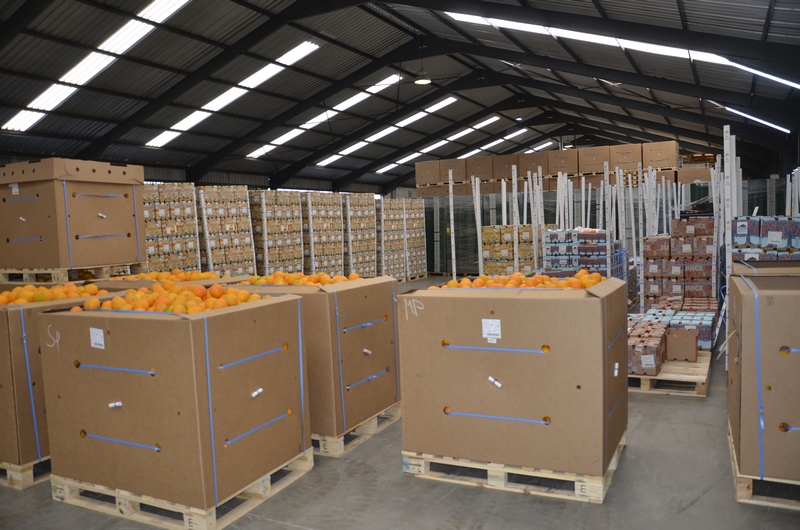

In a major breakthrough for South African agriculture, India’s Ministry of Agriculture and Farmers’ Welfare has officially approved in-transit cold treatment for all citrus exports originating from South Africa. The landmark decision, published in the Indian Government Gazette under the amended Plant Quarantine Order (2003) with effect from 29 July 2026, follows nearly a decade of intense bilateral negotiations, trial shipments, and scientific data exchanges.
The revised protocol applies to all major fresh citrus varieties intended for consumption, including oranges, lemons, limes, mandarins, grapefruits, and other Rutaceous fruits.
What Has Changed?
Since 2016, South African citrus exports to India were restricted to either land-based cold treatment prior to departure or chemical treatment using methyl bromide to mitigate quarantine pests like the Mediterranean fruit fly (Ceratitis capitata) and Natal fruit fly (Ceratitis rosa).
Under the newly gazetted rules, fruit can now undergo phytosanitary cold treatment en route while in shipping containers. This aligns India’s phytosanitary requirements with international best practices and streamlines the entire export supply chain.
Why This Is Important for the SA Citrus Industry
- Superior Fruit Quality and Faster Time-to-Market
Land-based cold treatment required fruit to be held in cold storage facilities locally before loading, creating severe logistics bottlenecks at ports and reducing the shelf-life of fruit. By treating produce during the sea voyage, shipments arrive in India faster and in peak quality condition.
- Massive Cost Savings & Efficiency Gains
Eliminating pre-shipment land-based cold sterilization significantly reduces cold-storage costs, handling fees, and container dwell times at South African ports. Container shipping lines can also optimize refrigeration technology directly on vessels.
- Access to a Growing Market of 1.47 billion Consumers
India represents one of the world’s fastest-growing consumer markets. South Africa’s harvest season is counter-seasonal to India’s domestic citrus production. This complimentary harvest window allows South African growers to fill market supply gaps and satisfy expanding demand for healthy, premium citrus without directly competing with local Indian farmers.
- Market Diversification and Job Creation
With trade tensions and strict pest regulations complicating access to traditional markets like the European Union, opening frictionless trade corridors to Asia is vital. Minister of Agriculture Willie Aucamp noted that expanded trade access into India will drive higher export volumes, provide regulatory certainty, boost farm profitability, and support long-term job creation across rural South African communities.
Looking Ahead
The Department of Agriculture (DoA) emphasized that all citrus exporters must strictly comply with the newly gazetted in-transit cold treatment protocols. The DoA continues to negotiate updated trade agreements with other key global trading partners to ensure fair, safe, and competitive market access for South African produce.