

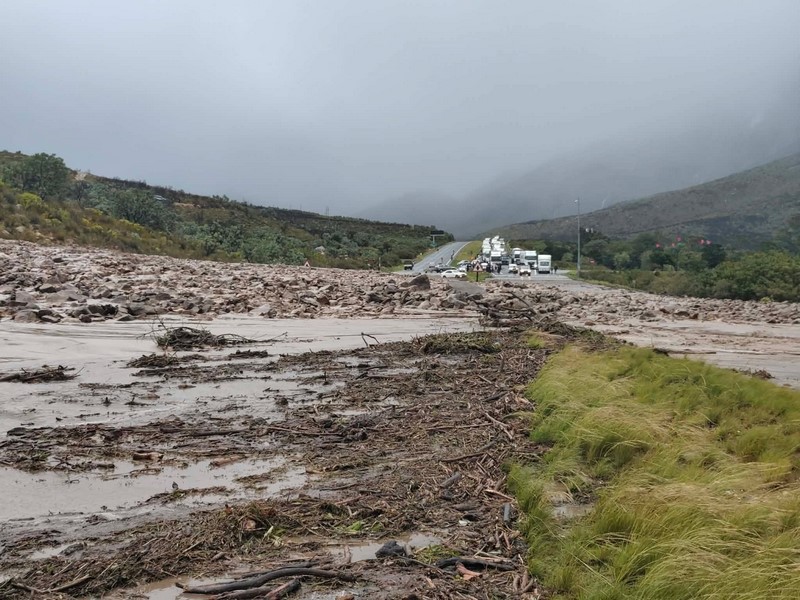

The Western Cape’s agricultural heartlands are facing a significant challenge as a series of severe weather systems continue to sweep across the province. In response to the escalating crisis, the Cabinet and the Premier’s Coordinating Forum (PCF) held an emergency session last night to streamline disaster relief and ensure that rural municipalities are receiving the necessary support to maintain critical services.
Logistics Crisis: N1 and Key Passes Closed
For the agricultural sector, the primary concern is the disruption of the supply chain. The N1 at Worcester—a vital artery for moving produce to markets and the port—remains closed. Additionally, several key passes along the escarpment are inaccessible, effectively cutting off many farming communities from the Cape Town metropole.
Authorities have urged all road users, particularly heavy vehicle operators, to adhere strictly to road closure notices and seek alternative routes. The Provincial Disaster Management Centre (PDMC) is working to assess when these routes will be safe enough to reopen for the transport of goods and livestock.
Tragic Loss and Rural Safety
The severity of these storms has moved beyond property damage. Acting Premier Dr. Ivan Meyer expressed deep condolences following the deaths of three individuals during the recent surge of inclement weather.
“Emergency and disaster teams work as hard as possible to avoid loss of life,” Dr. Meyer stated, imploring all residents to exercise extreme caution as warnings for heavy rainfall and strong winds remain in place.
In a move that impacts the agricultural workforce and seasonal labor families, all schools in the province are closed today, 12 May 2026. This non-negotiable safety measure ensures that learners and staff remain off the roads during the peak of the storm.
Power Outages and the Threat of Sabotage
Farmers in the Overberg, Cape Winelands, and West Coast are reporting widespread power outages. While Eskom and municipal teams are currently deployed to restore the grid, their efforts have been hampered by reports of cable theft in certain areas. This opportunistic crime, occurring amidst a provincial disaster, has been harshly condemned by the Cabinet as it delays the restoration of essential power to pumping stations and cold storage facilities.
A Coordinated Disaster Response
With the weather now officially classified as a disaster, the Western Cape Government is leveraging its intergovernmental partnerships to provide relief. The Minister of Local Government, Environmental Affairs, and Development Planning noted that the province’s long-term investment in a “brilliant disaster management network” is currently being put to the test.
Key Resources for Producers:
Road Updates: Check the Western Cape Government website before dispatching vehicles.
Safety First: Avoid low-lying crossings and flooded farm roads.
Emergency Hubs: Joint Operating Centres (JOCs) remain activated 24/7 across all districts to assist with localized emergencies.
As the systems continue to move through the province, the focus remains on protecting lives and securing the infrastructure that sustains the Western Cape’s rural economy.