

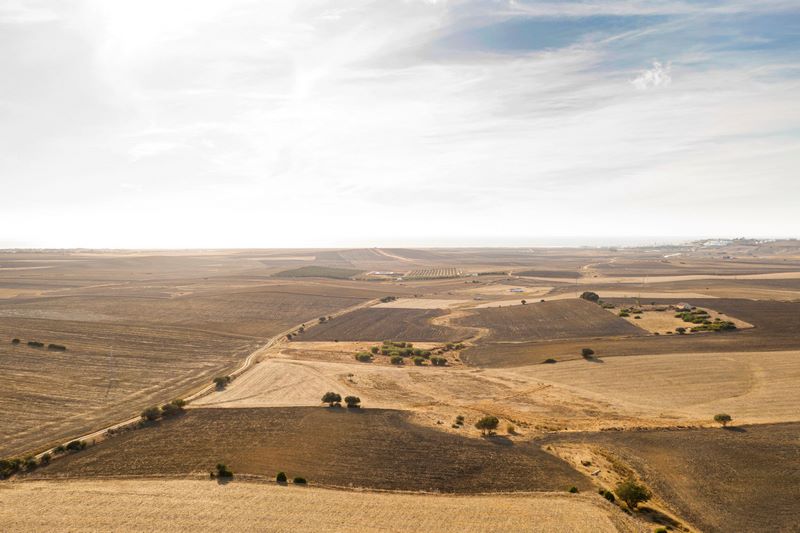

While national headlines warn of a severe, dry summer as El Niño conditions persist into 2027, Western Cape wine producers face a far more nuanced reality. As a winter-rainfall region, the Western Cape does not fit the national “hot and dry” template.
To unpack what the season means for vineyard management, we spoke to climate specialist Dr Tara Southey—a Stellenbosch University viticulture researcher and founder/CEO of TerraClim, an agri-tech platform processing data from over 1 500 national weather stations—alongside independent viticulturist Marko Roux.
Vineyards Carry Long-Term Memory
“We need to be careful not to apply a national ‘hot and dry’ narrative directly to the wine regions,” explains Dr Southey. Instead, growers must evaluate the interaction between temperature, evapotranspiration, vine water demand, and available moisture.
Crucially, a grapevine does not reset when a new season begins. Southey emphasizes that winter chill, compound stress from prior seasons, and early spring growth dictate how well a vine withstands upcoming heat. Following May’s early flooding, drier late-winter conditions mean vigor will vary.
Because microclimates, slope, aspect, soil depth, and rootstock vary within a single property, growers should rank vulnerability on a block-by-block basis rather than relying on farm averages.
Water Management: Act Early, Assess Visually
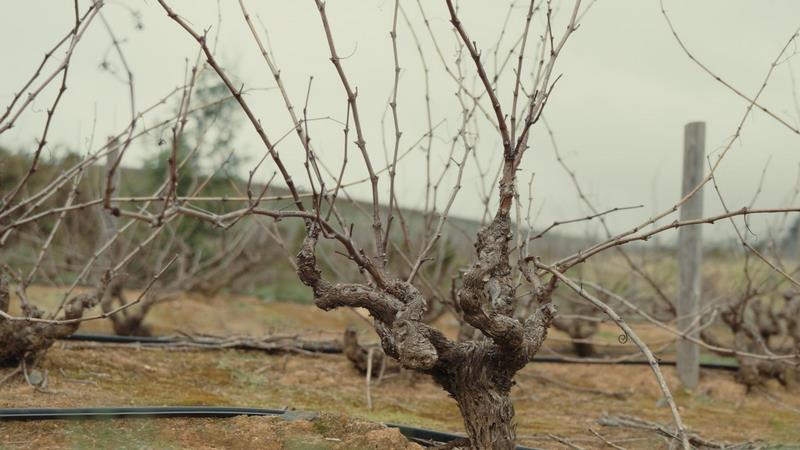
“Should conditions improve, a farmer can always back down on water-scarce practices, but it does not work the other way around,” warns Roux. Key strategies include:
Targeting Critical Stages: Direct limited water around flowering and véraison rather than applying a blanket rate all season.
Ground-Level Verification: Soil moisture probes are vital, but visual inspections in the field are essential to prevent wasting water on shallow soils.
Managing Cover Crops: Limit weed competition early on marginal sites to conserve subsoil moisture.
Canopy Decisions and Harvest Flexibility
Canopy choices in November directly dictate bunch protection during January heat events:
Sucker Early: Early shoot removal creates well-aerated canopies that retain natural shade around grape clusters.
Avoid Heavy Late Defoliation: Aggressive late topping or leaf removal exposes fruit to sunburn, rapid acidity loss, and overly dense flavors.
Assess Picking Dates Carefully: Varieties like Chenin Blanc, Chardonnay, Syrah, and Pinotage offer picking flexibility for lower alcohol and freshness. However, Bordeaux varieties require precise tasting and representative sampling before adjusting harvest dates.
Extended Fire Risk Preparedness
Following a severe period, the Western Cape faces an extended eight-month high-risk fire season running from October through May. Greater weather variability and longer gaps between rain mean fuel loads dry out faster.
Farms should look beyond standard firebreaks:
- Clear fuel loads from gutters, stacked timber, and dry weeds.
- Check access roads and turning areas to accommodate heavy firefighting equipment following May’s floods.
- Ensure staff understand emergency fire plans and water refill locations.
- Join local Fire Protection Associations (FPAs) and arrange pre-approved accounts for emergency aerial support.
Building Resilience Ahead of Time
In a season defined as much by variability as by heat, success relies on early, calculated intervention rather than reaction. “Better data does not necessarily mean making more decisions,” notes Southey. “Often it means making the important decisions earlier.” By identifying vulnerable blocks, managing water reserves early, and tightening fire plans, Cape wine producers can navigate the months ahead with confidence.
Stellenbosch University Ag-Tech Spinouts Drive Smart Farming
Where to Turn for Advice
Western Cape Government (Environmental Sustainability): Karen Shippey (Chief Director) — [email protected]
Stellenbosch University Faculty of AgriSciences: 021 808 4792 | [email protected]
Fire Engineering Research Unit (FireSUN): [email protected]