

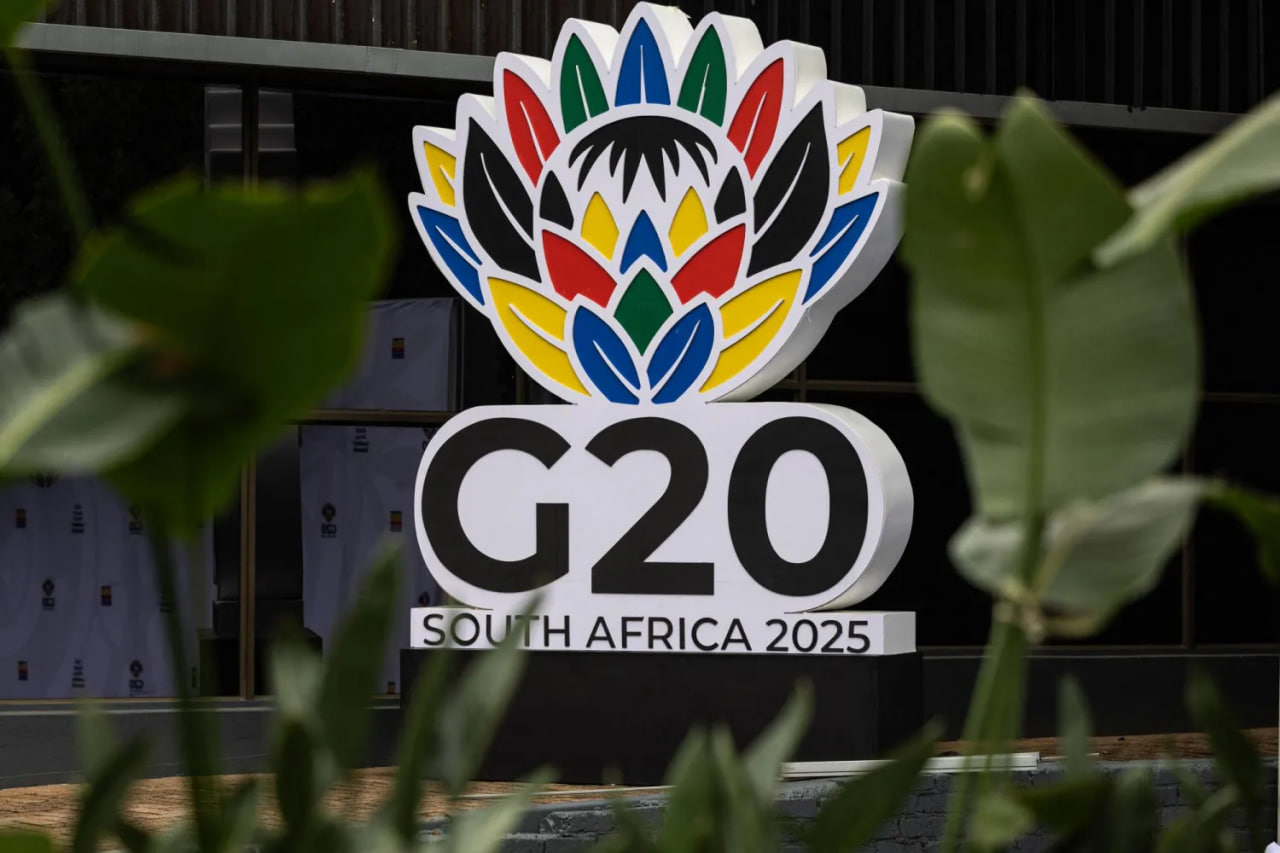

The 2025 G20 Summit, a historic first on the African continent, successfully leveraged the South African philosophy of Ubuntu—”I am because we are”—to fundamentally re-center the global food security agenda. The resulting Ministerial Declaration and Leaders’ Statement moved beyond general rhetoric, delivering specific, actionable policy commitments designed to address the interconnected crises of hunger, poverty, and climate change.
South Africa’s diplomatic achievement was to embed the continent’s perspective, shifting the global focus from simply increasing food supply to ensuring equitable access and affordability for the most vulnerable. Minister of Agriculture, John Steenhuisen, called the adoption of the declaration centred on Ubuntu a “truly historic day”, noting that the G20 had successfully shifted its focus from isolated national strategies to a collaborative, interconnected approach. Steenhuisen stressed that the agreements endorsed today are not abstract ideas, but “practical tools” designed to assist farmers, stabilise markets, and ensure Africa’s priorities are “firmly embedded” in the global framework.
Core Policy Commitments and Economic Reality
The G20 Ministers recognised the “troubling paradox” of sufficient global food production alongside hundreds of millions facing hunger, focusing the agenda on three key areas:
The Poverty Paradox and Social Protection
The core policy challenge driven by South Africa was the need to address high income poverty that prevents households from accessing food. The G20 explicitly committed to supporting effective and robust social safety net programmes, such as targeted cash vouchers and in-kind transfers, designed to protect the purchasing power of low-income households.
Agricultural economist Wandile Sihlobo, Chief Economist of Agbiz, provided a pragmatic view of these commitments, noting that while social protection is vital, the root cause of the paradox requires more than just aid. Sihlobo argued that the gains won’t be easy and require “reframing agriculture” across the continent, with a necessary focus on commercial production while supporting smallholder farmers through improved land governance and investment.
Targeted Finance and Innovation
The G20 laid out specific mechanisms for funding and technology use that favor resilience:
Targeted Finance (PDBs): Ministers underscored the critical role of Public Development Banks (PDBs), pushing them to channel more resources into agricultural investments where they are currently underrepresented.
Indigenous Crops: The G20 committed to R&D of climate-resilient indigenous and traditional crops (the MAHARISHI Initiative), seeking to diversify global food systems and integrate local, naturally adaptive crops.
Biosecurity: The G20 elevated biosecurity protocols and the “One Health” approach (linking human, animal, and environmental health) as critical defenses for global supply chains against pests and diseases.
Trade and Technology Guided by Science
The G20’s focus on open markets was strongly welcomed by Wandile Sihlobo, who emphasised that the commitment to “open and non-discriminatory trade policies consistent with WTO rules” is vital for South Africa’s export-led agricultural sector. Furthermore, Sihlobo stressed that adaptation must be guided by “science rather than rhetoric and politics on food matters,” defending the appropriate and safe use of agrochemicals and fertilisers as essential for maintaining productivity and food security across the continent.
The adoption of the Ubuntu Approaches on Food Security cemented Africa’s priorities—centred on poverty alleviation, trade fairness, and climate adaptation—firmly into the global G20 framework.