


South African crop and livestock producers are bracing for a punishing summer as a strengthening “super” El Niño, tightening water restrictions, and heightened veld-fire risks converge across the country.
With the South African Weather Service projecting below-normal rainfall over most of the country and record warmth into 2027, national authorities have begun rolling out precautionary water curbs. Following Agriculture Minister Willie Aucamp’s warning last month for proactive restrictions, dam levels have edged down across almost every province. While major metros including Tshwane, Johannesburg, and Cape Town (from 1 December) have tightened urban water rules, the sharpest direct blow to agriculture landed on 16 November, when Water and Sanitation Minister Pemmy Majodina announced a 15% cut in agricultural irrigation allocations for producers supplied by the Western Cape Water Supply System (WCWSS)—more than double the 7% cut applied to domestic and industrial users.
Irrigation Cuts and Rain-Fed Crops Both Face Pressure
In the WCWSS catchment—which supplies key farming districts around Cape Town, the West Coast, Stellenbosch, Paarl, Franschhoek, and Wellington—combined dam levels fell to 72.5% compared to 84.4% a year ago. Agri Western Cape warned that slashing irrigation by 15% just as deciduous fruit, table grape, wine, and irrigated fodder producers enter peak summer demand threatens harvests, feed self-sufficiency, and rural jobs.
Across the interior summer-rainfall belt, the risk takes a different form. Roughly 80% of South Africa’s 4.5 million hectares of summer grains and oilseeds are rain-fed. While recent November showers have given early plantings a welcome boost, Agbiz chief economist Wandile Sihlobo cautioned that farmers are not out of the woods, with many shifting hectares away from white maize toward more drought-tolerant crops like sunflower ahead of potential mid-summer heat and dryness.
Livestock Grazing, Heat Stress, and Fodder Squeeze
For livestock, dairy, and poultry farmers nationwide, extreme heatwaves and dry spells create a multi-layered squeeze:
- Grazing & Feed Costs: Prolonged dry heat dries out natural rangelands early and reduces yields on irrigated lucerne, pastures, and silage—forcing herds onto expensive supplementary feed. Researchers warned this month that carefully timing summer fodder plantings, such as drought-hardy fodder radish, is critical to avoid severe grazing shortages into 2027.
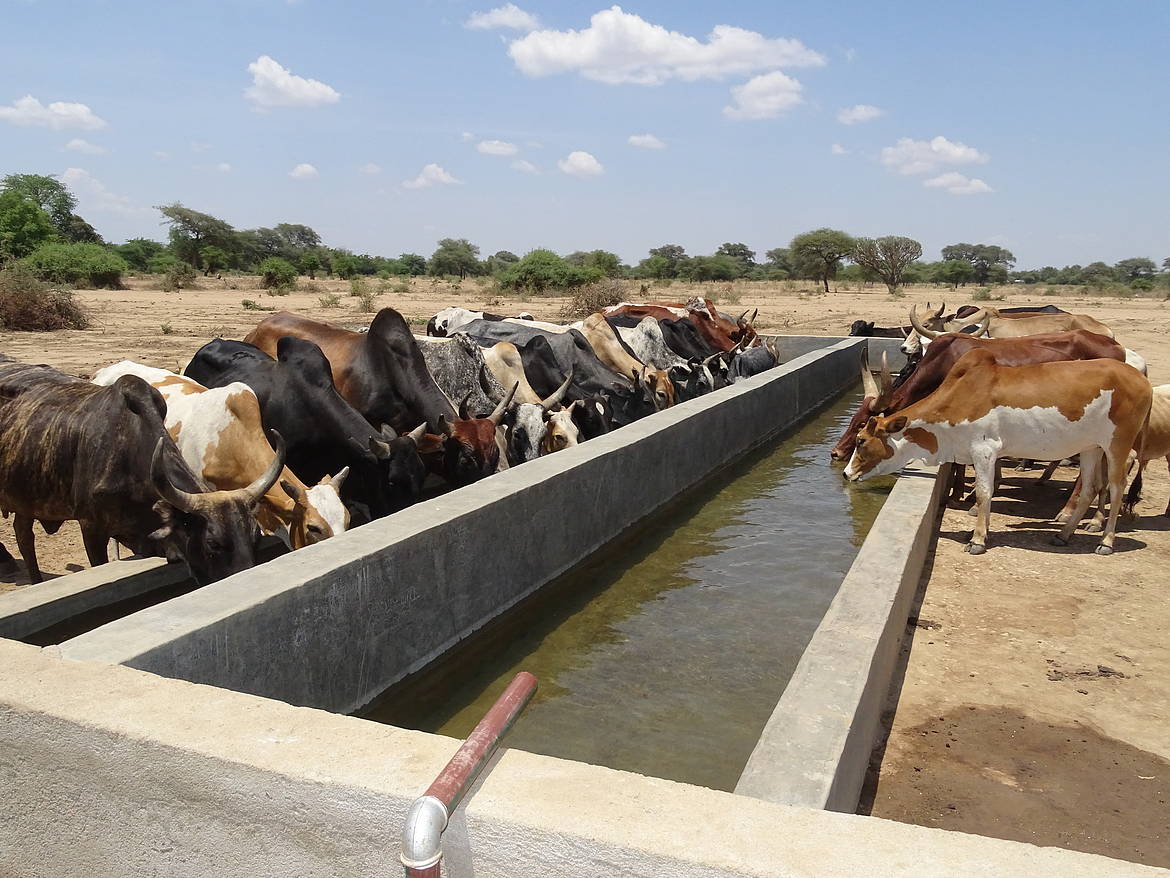
- Drinking Water & Cooling: High temperatures sharply spike livestock drinking-water requirements and strain evaporative cooling systems in intensive dairy, piggery, and poultry units to prevent heat-stress mortalities.
Wildfire Danger Stretches Farm Reserves
Hotter, drier conditions also elevate wildfire risks across both the Western Cape—currently entering its peak summer fire season after losing more than 200,000 hectares last season—and interior grassland provinces. Veld fires can wipe out standing grazing, stored fodder, orchards, and boundary fencing within hours, while lower farm dams leave narrower water reserves for on-farm firefighting.
Producers nationwide are being urged to tighten irrigation scheduling, secure supplementary feed and clean drinking water with shade for herds, maintain perimeter firebreaks, and ensure firefighting pumps and equipment are ready ahead of peak summer heat.
Grain SA Demands Urgent Action to Save Local Wheat Production