

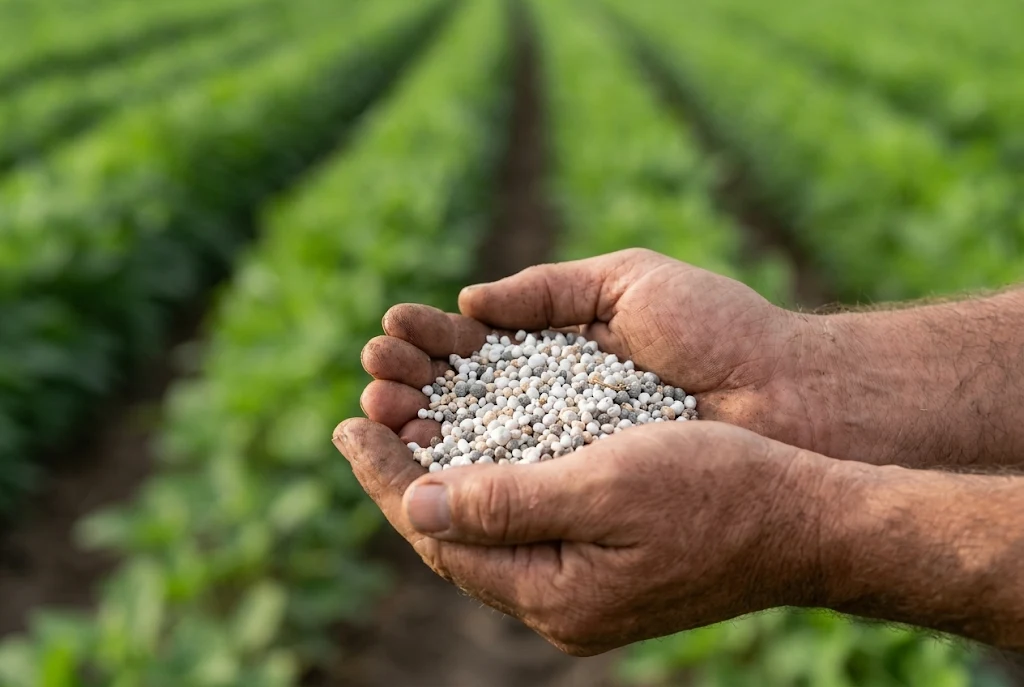

Why are local quotes rising when global prices are falling, and how should producers buy over the next few weeks?
Fertilizer prices in South Africa are facing upward pressure during the week of 16 November 2026, leaving grain and horticulture producers with a frustrating market dynamic as local replacement costs climb despite softer international dollar markets.
According to the latest weekly fertilizer market summary compiled by Agrimark Trends (AMT), currency movement is the primary driver. With the rand sliding sharply toward approximately R16.93 per US dollar amid a firmer greenback and investor caution ahead of local inflation and interest-rate announcements, exchange rate weakness is outweighing the relief seen in global dollar-denominated markets.
This procurement strategy is particularly relevant right now for summer grain and oilseed producers (maize, soybeans, and sunflower) navigating November planting windows under dry El Niño weather forecasts, as well as irrigated horticulture producers feeding crops in split applications across summer. Because both rainfall timing and exchange rates remain uncertain, committing an entire seasonal budget in a single transaction carries heightened risk—especially for operations buying straight fertilizers or custom blends on seasonal credit. Rather than trying to time the bottom of the market, producers can reduce exposure by matching purchasing decisions to current observable market conditions.
Nitrogen and Sulphur: Focus on Immediate Needs In the nitrogen market, Middle Eastern granular urea has eased to $420–$430/t (export price) amid sluggish global demand, while local base port prices for bulk urea average approximately R9,064/t Ex-Durban. Given soft international demand alongside active supply risks—including natural gas restrictions in Egypt that have curtailed some plant output by up to 33%, as well as pending Indian import tenders—covering urgent, short-term requirements rather than over-committing early helps keep operations flexible.
Ammonium sulphate (AMS), averaging around R6,880/t bulk Ex-Durban, reflects softer export pricing out of China ($212.50–$221/t depending on grade). Comparing current quotes across suppliers before replenishing stock ensures buyers capture recent adjustments without holding excess inventory.
Phosphates and Potash: Compare and Pace Orders Phosphate prices remain comparatively firm. Monoammonium phosphate (MAP) is holding steady at approximately R15,651/t bulk Ex-Durban ($830–$850/t landed in Brazil), supported by Chinese export restrictions and elevated sulphur costs. With fewer signs of immediate softening in phosphate raw materials, comparing alternative phosphate sources and negotiating supplier terms is a practical way to manage input costs.
Muriate of potash (potassium chloride) is trading at approximately R7,753/t bulk Ex-Durban ($350–$375/t landed in Brazil). While slower global demand—such as a 27% year-on-year drop in Brazil’s October imports—has weighed on the market, producer output cuts are also underway. Buying in smaller, staggered tranches allows farmers to average out both international price movements and rand fluctuations.
Practical Risk-Management Checklist When planning fertilizer procurement over the coming weeks, consider three grounded steps:
- Budget on landed farm-gate costs: Benchmark Ex-Durban bulk figures are base port prices and exclude VAT, bagging, storage, and inland transport—factor these in before finalizing crop margins.
- Stagger purchases to smooth currency swings: Splitting orders across multiple weeks prevents your entire input bill from resting on a single day’s exchange rate.
- Prioritize agronomic urgency: Secure starter and immediate application volumes first, keeping later top-dressing flexible until actual rainfall, field conditions, and updated market quotes are clear.
Market data sourced from the Agrimark Trends (AMT) Weekly Fertilizer Market Report (Week of 16 November 2026).
Court Strikes Urgency: Grain SA Disputes Finding as Producers Remain Exposed