


Phahama Grain Phakama NPC (PGP) has expressed deep disappointment following the court’s decision on Friday, 6 November 2026, to strike Grain SA’s urgent application for interim protection against the Johannesburg Stock Exchange’s (JSE) new soybean pricing methodology from the roll due to a lack of urgency. PGP warns that small and emerging black soybean farmers remain exposed to pricing practices that threaten their profitability and undermine efforts to build sustainable, black-owned farming businesses.
With the matter now relegated to a lengthy legal process against powerful role players, small and emerging producers continue to carry a disproportionate burden. These farmers must plant, source financing, harvest, and market their crops while facing an inefficient pricing regime when bringing their product to market.
Disproportionate Impact on Rural Producers
Small farmers possess the least market power and the lowest capacity to absorb deductions that lower the prices they receive. PGP’s primary concern is that published deductions in the futures market are applied as standard deductions in the physical market, even when they fail to reflect actual transport costs or local supply and demand. Although many smaller producers have limited access to futures market hedging tools, their selling prices remain heavily dictated by those structures.
Many black grain farmers operate in remote rural areas—including the former homeland regions of the Eastern Cape, KwaZulu-Natal, and Mpumalanga—far from major commercial centres. Facing fewer buyers, limited storage, and weaker bargaining power, these farmers often bear the full brunt of an area differential calculated against a single reference point in Gauteng, even when their crops are bought and processed locally.
Unlike large commercial participants who can manage unfavourable signals through scale, logistics, or financial instruments, a small commercial farmer operating hundreds of kilometres from alternative markets lacks the cashflow to negotiate better terms. Consequently, the full soybean transport differential to Driefontein may be deducted from a farmer’s price offer regardless of where the crop is actually consumed.
R800 Million Exposure Threatens Transformation
Calculations by Grain SA and PGP estimate potential producer income exposure at approximately R800 million per season under the disputed methodology, with outlying producers bearing some of the harshest consequences. Against a backdrop of sharply rising input costs, reduced income directly determines whether a developing commercial farmer can repay production loans, secure finance for the next season, and remain in commercial agriculture.
While PGP invests substantial resources into supporting black farmers as part of South Africa’s agricultural transformation agenda, the organisation stresses that providing land, training, and finance is insufficient if farmers enter markets where they lack power to negotiate fair prices.
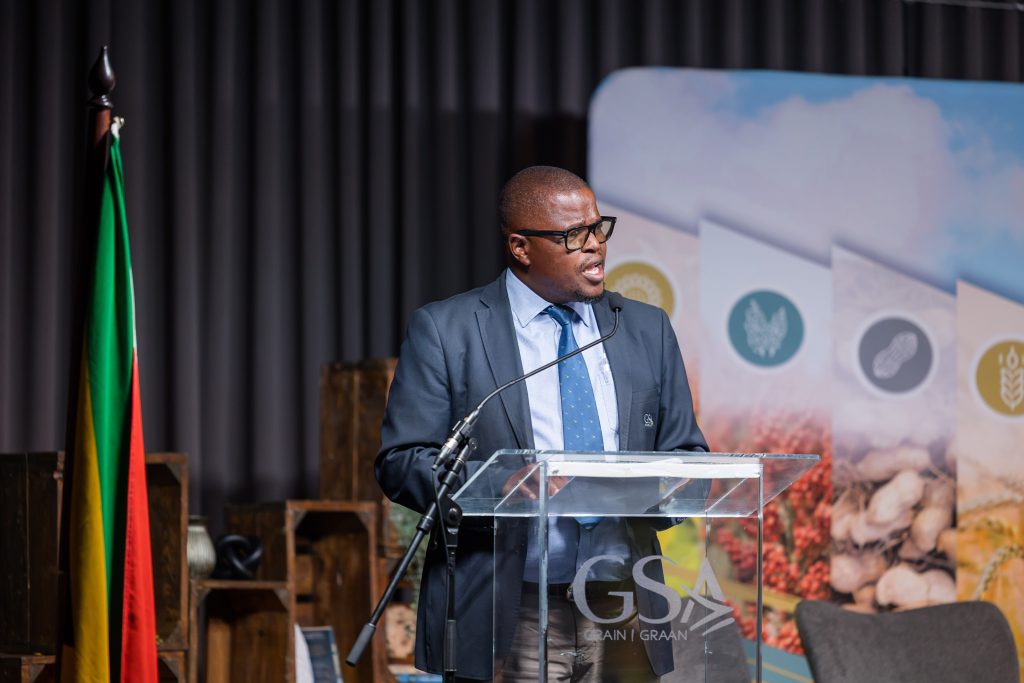
PGP Chairperson Jeremia Mathebula noted that farmers feel powerless without the balance sheets, storage capacity, or negotiating strength to counter these market inefficiencies. He expressed disappointment that the practical plight of vulnerable producers—who must repay loans while the dispute continues—was not given sufficient weight during the urgency proceedings.
Call for Farmer Voices in Market Decisions
PGP emphasized that when an individual emerging farmer confronts a powerful institution with specialist advisers and legal resources, the contest is inherently unequal. Representing black grain farmers collectively alongside Grain SA, PGP confirmed it will continue standing up for small, emerging, and established black commercial producers.
Mathebula stressed that producers are not asking for preferential treatment, but rather transparent, fair market access that reflects physical-market realities. PGP calls on the JSE, government, competition authorities, and the broader agricultural value chain to examine who ultimately bears the economic consequences of market rules, and what those realities mean for the long-term sustainability of rural farming enterprises.
Court Strikes Urgency: Grain SA Disputes Finding as Producers Remain Exposed