


The Western Cape has recorded a further drop in its official unemployment rate to 19.4% in Quarter 3 of 2026, according to the latest Quarterly Labour Force Survey (QLFS) data released on 10 November 2026. This is down from 19.5% in the previous quarter, bringing positive news for the region’s agricultural community and broader economy.
The Western Cape’s performance stands in stark contrast to South Africa’s national unemployment rate of 33.7%. Year-on-year, the province added 69,000 net jobs, bringing total provincial employment to 2.88 million. Crucially, the Western Cape was the only province in South Africa to record year-on-year employment growth. The province also continues to lead the nation across unemployment, absorption, and labour force participation rates.
Agriculture Ranks Second in Sector Job Creation
Seven out of ten sectors recorded net job gains across the province. The construction sector led overall growth with a net increase of 33,000 jobs compared to last year.
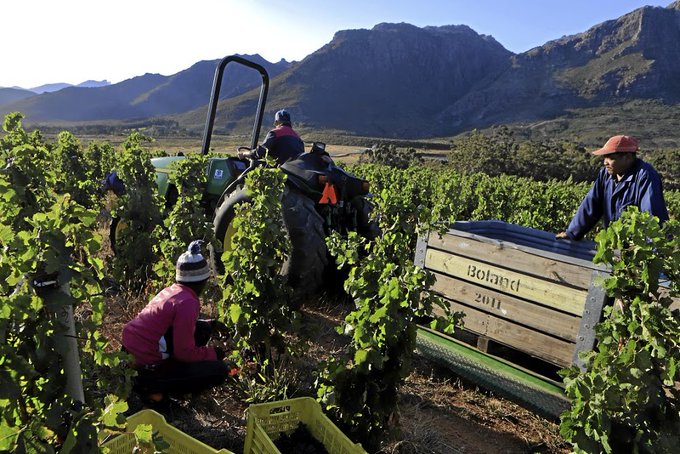
Agriculture followed closely as the second-largest contributor, adding 26,000 net jobs year-on-year. The finance and services sectors followed next, adding 25,000 net jobs. The addition of 26,000 net agricultural jobs highlights the primary sector’s resilience and its vital role in sustaining rural livelihoods, supporting farmworker families, and driving provincial economic stability.
Provincial Leadership Focuses on Sustained Opportunity
Western Cape Premier Alan Winde welcomed the reduction while underscoring the ongoing mission to reduce poverty.
“We welcome this reduction in the unemployment rate. We must work harder than ever to keep getting more residents out of poverty and into the provincial economy,” Premier Winde said. He noted that despite significant challenges, the province is making progress in building a resilient economy: “The sustained success we see over successive sets of employment stats clearly shows that we are on the right path. The Western Cape has become emblematic of what can be achieved when government creates an enabling environment for business and allows opportunities to grow and flourish for our residents.”
Dr. Ivan Meyer, Western Cape Minister of Agriculture, Economic Development and Tourism, pointed to long-term sector investments as the primary catalyst behind the positive numbers.
“These figures demonstrate that sustained investment in growth-enabling sectors such as agriculture, trade, tourism, manufacturing, and infrastructure is delivering tangible results for the residents of the Western Cape,” Minister Meyer stated. “While we welcome this further decline in unemployment, our focus remains on creating more jobs, expanding opportunities for entrepreneurs, and ensuring that economic growth reaches every community across the province.”
Outlook for Western Cape Agricultural Producers
For local producers, agri-businesses, and farming communities, the QLFS results reinforce agriculture’s role as an indispensable driver of job creation. Sustaining this upward momentum will depend on ongoing public-private collaboration, strategic infrastructure investment, and expanded trade opportunities for Western Cape agricultural exports.