

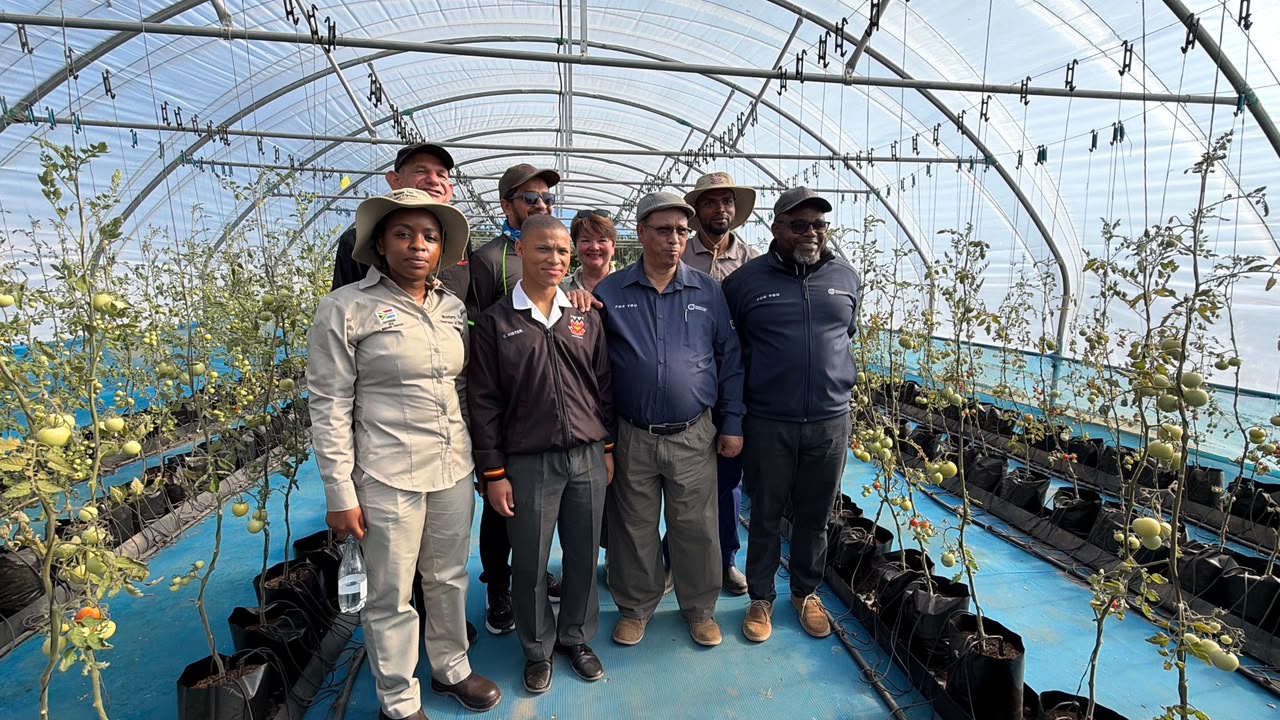

As the global community commemorates World Food Day on 16 October 2026, the Western Cape Government is highlighting its practical, ground-level interventions implemented over the past year to strengthen food security, create sustainable livelihoods, and build resilient communities across the province.
Under this year’s international theme, “Innovate Today! Nourish Tomorrow,” the Western Cape Department of Agriculture has expanded its investments into projects that enable households, schools, and local communities to cultivate fresh produce, improve nutrition, and gain vital agricultural skills.
Empowering Western Cape Communities
Western Cape Minister of Agriculture, Economic Development and Tourism, Dr. Ivan Meyer, emphasized that food security remains one of the province’s most critical priorities for long-term economic resilience and human dignity.
“Food security and nutrition is one of my Ministerial priorities,” stated Dr. Meyer. “Food security is about more than just access to food. It is about creating opportunities, building resilience, and empowering people with the skills and resources they need to improve their quality of life. Through targeted interventions across the Western Cape, we are helping communities become more self-reliant while creating pathways to economic participation.”
In the lead-up to World Food Day 2026, the Department spearheaded targeted interventions across the Central Karoo in partnership with local municipalities and development partners. These initiatives directly supported 106 households, three school food gardens, and two community-based production projects.
The localized support included:
Prince Albert: Assistance for 62 households through 57 vegetable gardens and five chicken production projects, alongside 25 rainwater harvesting tanks to reduce dependence on municipal water supplies.
Leeu-Gamka: Assistance provided to 24 households for sustainable vegetable gardening.
Klaarstroom: 20 households benefited through 10 vegetable gardens and 10 piggery projects.
Resources & Support: Comprehensive agricultural inputs, equipment, and practical training to ensure long-term production sustainability.
Building Agricultural Skills
Practical education and skills development remain central to the province’s long-term agricultural strategy. The Department strengthened food production and learning opportunities across five key local institutions: Prince Albert Primary School, Zwartberg High School, Leeu-Gamka Primary School, Prince Albert Clinic, and the Prince Albert Skills School.
To cultivate future agricultural leaders, the Department also hosted its annual World Food Day schools competition in Prince Albert and Klaarstroom. Through creative projects focused on food production and environmental stewardship, local learners explored practical solutions to nutrition and sustainability.
Fostering Strategic Partnerships
Broad collaboration continues to scale up community food availability and support vulnerable groups across the region:
“Plant One Tree, Eat for Free”: Supported by the Department of Forestry, Fisheries and the Environment, 500 fruit trees were donated to local households and community projects.
Food Mountain Initiative: The annual drive mobilised essential food donations for local beneficiary organisations, including early childhood development (ECD) centres and care facilities.
These integrated efforts reflect the Western Cape’s Growth for Jobs Strategy, which positions agricultural development, skill-building, and community resilience as essential building blocks for inclusive economic growth.