

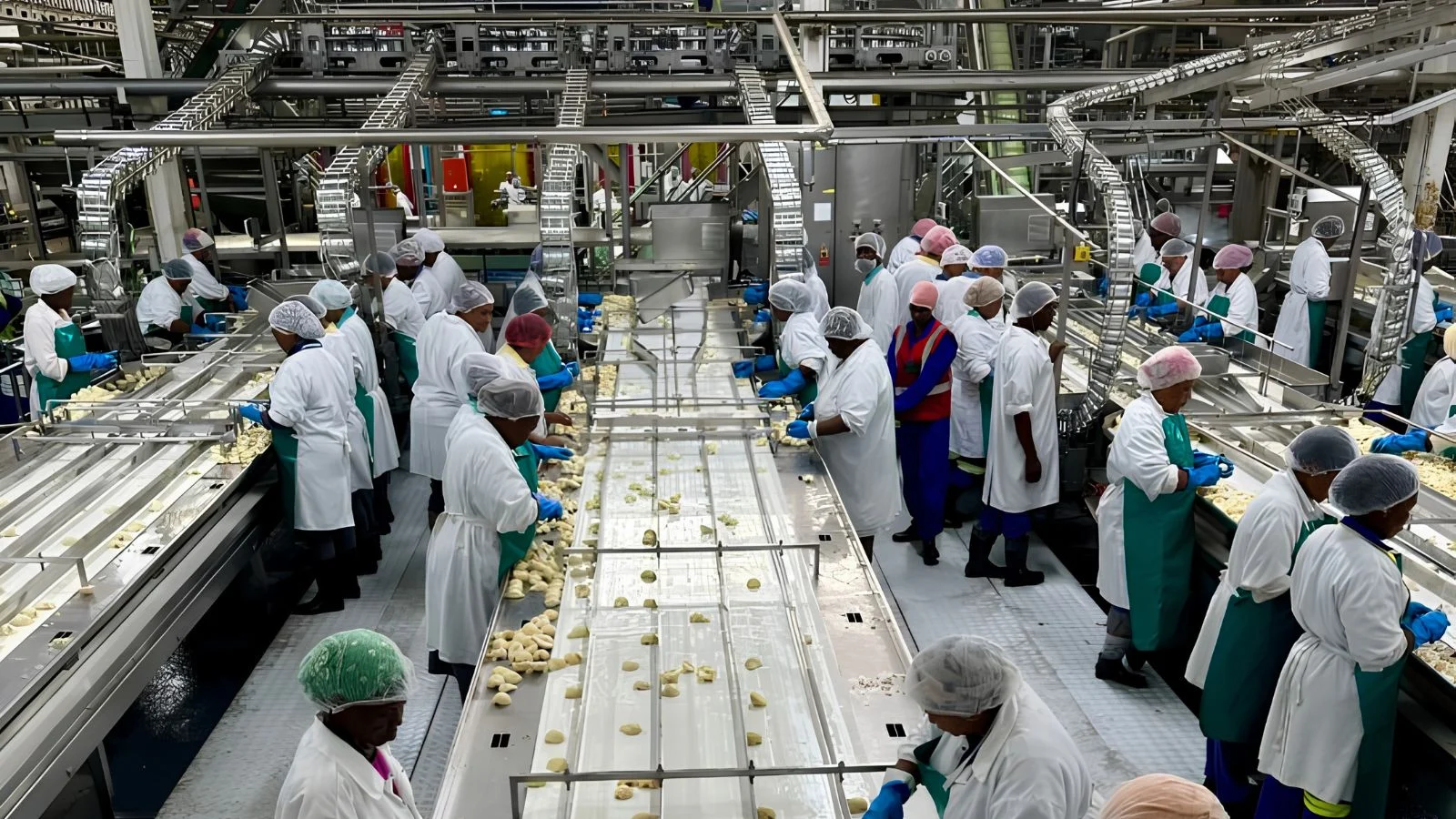

The corporate battle surrounding Premier Group’s acquisition of RFG Holdings reached a critical turning point this week. The Competition Commission filed a formal Section 16(3) application with the Competition Tribunal to revoke its March approval of the landmark R6.5 billion merger.
The action follows the shuttering of the 72-year-old Fruit Products Western Cape (FPWC) cannery in Tulbagh in July, which prompted trade union complaints and an official investigation.
Non-Disclosure Allegations and Legal Ramifications
At the core of the Commission’s application is the claim that Premier and RFG failed to disclose pre-existing plans to integrate or shut down facilities during initial merger assessments. Regulators state that omitting this information prevented authorities from imposing targeted conditions to safeguard regional agricultural jobs and market structure.
Under South African competition law, withholding material facts can lead to a complete revocation of merger approval—forcing a structural unwinding or divestment of the transaction. Furthermore, if the Tribunal finds Premier in breach, the company could face administrative fines of up to 10% of its annual South African turnover. Based on Premier’s FY2026 revenue of R21.2 billion, that maximum penalty could reach R2.1 billion.
Premier’s Defense: Global Market Shifts and Voluntary Packages
Premier Group has firmly rejected the regulator’s claims, stating it proactively engaged with the Commission and provided full chronologies and supporting documents regarding the FPWC facility.
Premier maintains that the decision to close the facility was made months after the merger, driven purely by post-merger commercial pressures. With 90% of FPWC’s output targeted for export, Premier cited a severe decline in global demand for canned fruit as the primary cause for the closure. The group added that the vast majority of factory workers accepted voluntary severance agreements, ensuring no forced retrenchments took place.
Regional Impact on Fruit Growers and Local Markets
The closure of the Tulbagh plant leaves competitor Langeberg Foods as the sole primary fruit-canning operator remaining in South Africa. For approximately 200 regional stone fruit farmers, the loss of FPWC eliminates a crucial commercial processing outlet right ahead of the upcoming harvest season.
The closure impacts over 400 permanent and fixed-term workers and threatens thousands of seasonal harvesting jobs across the Western Cape’s agricultural supply chain, prompting unions like SACTWU and COSATU to challenge the shutdown.
Timeline of Events Since July
Cannery Closure Decision – July 2026
Premier announces the shutdown of the 72-year-old FPWC fruit-canning facility in Tulbagh, citing a sharp decline in global demand for canned fruit exports.
Trade Unions File Complaint – August 2026
Unions including SACTWU and COSATU lodge formal complaints with the Competition Commission, arguing the shutdown violates public-interest commitments and harms local agricultural supply chains.
Commission Investigation Launches – September 2026
The Competition Commission opens a formal investigation into whether Premier contemplated closing the plant prior to receiving merger approval in March. Premier submits its timeline and voluntary severance records.
Commission Petitions Tribunal – 6 & 7 October 2026
The Commission files a Section 16(3) application to formally revoke approval of the R6.5bn merger, alleging material non-disclosure.
Premier Refutes Claims – 7 & 8 October 2026
Premier issues a public defence confirming it will contest the revocation application before the Competition Tribunal.
Agricultural Sector Rallies to Stop Tulbagh Cannery Shutdown
The dispute presents a pivotal legal test for South African corporate law, establishing clear boundaries around disclosure obligations and post-merger restructurings. For producers, the Tribunal’s impending ruling will determine processing capacity and market competition across the regional agricultural sector.