

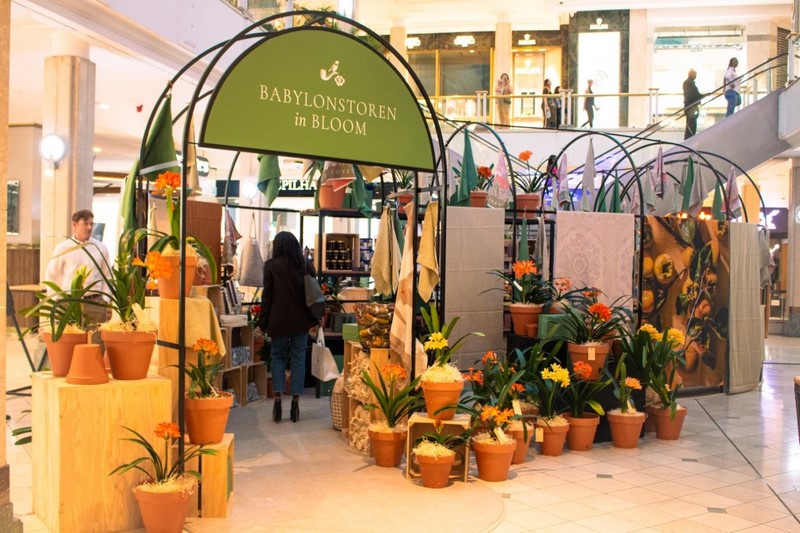

As the lines between agriculture, tourism, and direct-to-consumer retail continue to blur, Cape Winelands estate Babylonstoren is offering a live case study in how to extend a farm’s brand beyond its physical borders. From 2 to 14 September, the Simondium-based operation is taking over the Centre Court at Johannesburg’s Hyde Park Corner for Babylonstoren in Bloom—the estate’s first dedicated urban pop-up activation of this scale.
Rather than relying on traditional wholesale distributors, Babylonstoren has built a business model around vertical integration and high-value farm processing. The Johannesburg installation reflects this strategy, translating the farm’s physical landscape into an interactive retail space.
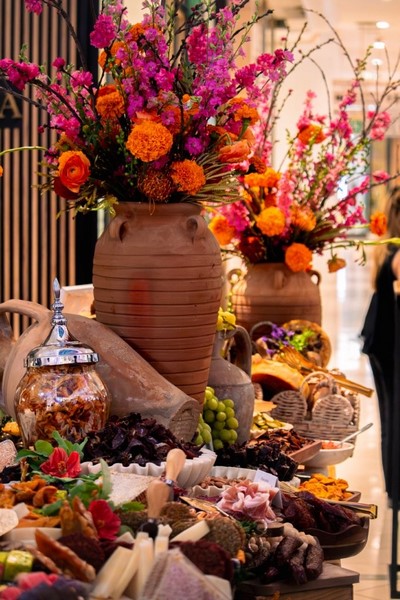
Replicating the Farm Experience
Central to the activation is a scaled architectural interpretation of Babylonstoren’s iconic 70-meter Puff Adder walkway. On the farm, this lattice-covered structure functions as a living horticultural display, shifting seasonally from winter aloes into spring clivias, followed by summer berries, roses, and bonsai.
For urban consumers who may not visit the Western Cape, the installation brings the farm’s botanical assets directly to a key target market. Running alongside the installation is a display of high-value flora, notably The Hyde Park Double—the first double-petaled clivia bred in South Africa, developed by independent grower André Swart.
Monetizing Value-Added Agriculture
The pop-up acts as an experiential storefront for the estate’s processed agricultural goods. The items available to sample and purchase reflect an integrated approach to farm crops and secondary yields:
Apiary & Pantry: Single-origin honey and small-batch preserves made from estate crops.
Viticulture: Estate wines sourced from their Franschhoek Valley vineyards.
Botanicals & Fibers: Natural bath, body, and home products incorporating botanicals grown on-site, alongside farm-inspired linen and décor.
South African Preserve Championships crown organic berry jam as national winner
Why It Matters for Agriculture
For agricultural producers looking to capture more value from the supply chain, the initiative demonstrates how strong brand identity, strategic horticulture, and value-added processing can create touchpoints with high-LSM urban buyers—without relying on traditional grocery shelf placement.