


As South Africa transitions into the 2026/27 summer season, farmers across the country face a critical climate shift. The South African Weather Service (SAWS) confirmed in its Seasonal Climate Watch, issued on 31 August 2026, that El Niño conditions are active and will persist throughout the summer months. Typically characterized by lower-than-normal rainfall and elevated temperatures, El Niño poses significant threats to crop productivity, soil moisture levels, and livestock health.
While the preceding 2025/26 summer season delivered above-normal rainfall that recharged dam levels and replenished soil moisture across most summer rainfall regions, recent months have seen shortages of winter rainfall. As summer approaches, the onset of traditional seasonal rains is expected to be suppressed, making risk reduction and proactive planning vital for all agricultural producers.
Understanding the Climate Forecast and Risks
El Niño causes major shifts in atmospheric circulation. The primary concerns for the agricultural sector this season are dry soil conditions, heat stress on crops and livestock, potential crop failure, and increased animal mortality.
Furthermore, reduced rainfall will inevitably trigger local water restrictions, directly impacting irrigation farmers who rely on stable water supplies. Altered weather conditions are also expected to shift pest and disease dynamics, creating secondary management challenges for crop and animal farmers alike.
Strategic Guidance for Crop Farmers
To safeguard production against looming dry spells, arable crop farmers are urged to implement Climate-Smart Agriculture (CSA) practices focused on moisture conservation:
Conservation Agriculture: Implement minimal soil disturbance and conservation tillage methods to retain existing soil moisture and minimise soil erosion.
Controlled Expansion: Refrain from expanding land under production unnecessarily during this high-risk period.
Cultivar Selection: Prioritise drought-tolerant and heat-resistant cultivars listed in the National Varietal List, in compliance with the Plant Improvement Act, 2018 (Act No. 11 of 2018). Ensure planting stays strictly within optimal regional planting windows.
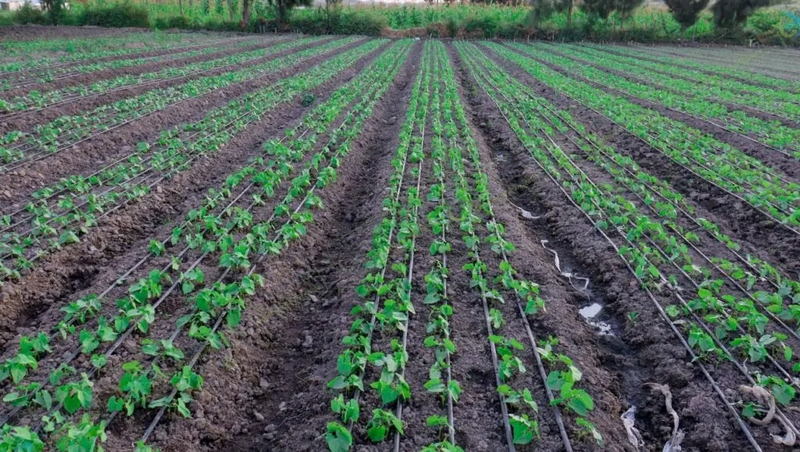
Water Management: Adopt high-efficiency water-saving techniques such as drip irrigation, practise water harvesting, and schedule irrigation during cooler hours (morning or evening) to limit evaporation loss. Farmers must comply strictly with regional water restrictions.
Veld and Livestock Management
Livestock producers must take proactive steps to prevent feed shortages and animal mortality caused by heat stress:
Stocking Density: Keep livestock numbers strictly balanced with the carrying capacity of the veld and available grazing. Overstocking accelerates land degradation, worsens drought impacts, and leads to livestock losses.
Grazing Strategies: Implement rotational grazing to give pastures adequate recovery time.
Feed and Water Provision: Secure additional feed reserves and establish extra watering points across paddocks to ensure livestock stay hydrated and nourished.
Pest Monitoring and Early Warnings
Rising temperatures create ideal environments for specific agricultural pests and diseases. Farmers should conduct regular field and herd scouting, maintain routine veterinary visitations, and keep animal vaccinations up to date.
The Department of Agriculture, in partnership with provincial authorities and stakeholders, will continue to issue monthly advisories and daily extreme weather warnings. Producers are urged to stay updated via the South African Weather Service and use early warning updates to make informed, climate-resilient operational decisions.