

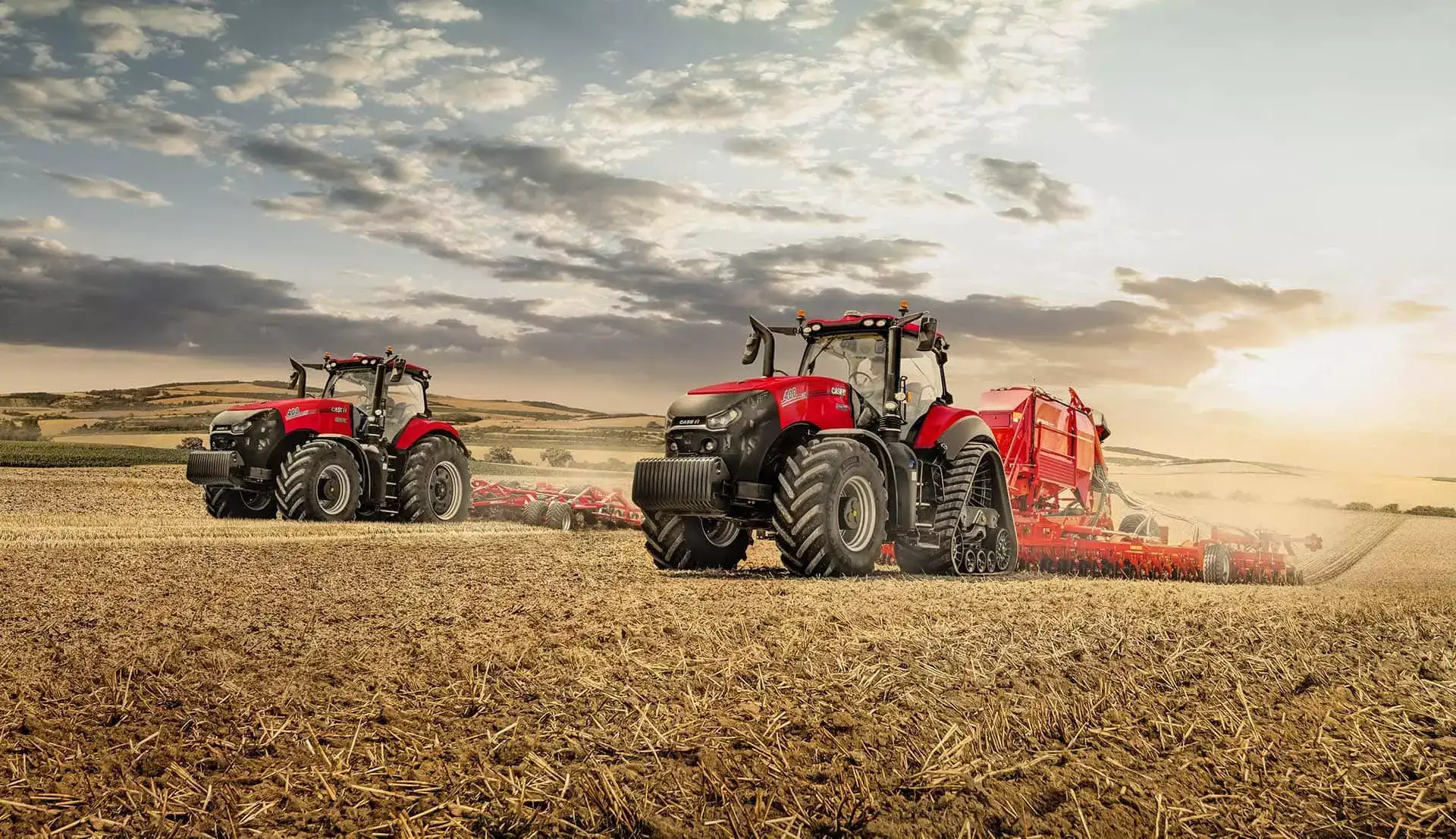

South Africa’s agricultural sector is undergoing a clear shift in its capital spending, transitioning from an optimistic start to a disciplined mid-year slowdown. According to Agbiz Chief Economist Wandile Sihlobo, monthly data from the South African Agricultural Machinery Association (SAAMA) highlights two contrasting periods for the farm equipment market.
A Strong Opening: The Early Months
The early part of the year began on solid footing. Powered by robust income from previous bumper harvests, favourable horticulture returns, and lower borrowing costs, commercial farmers actively upgraded their equipment fleets.
SAAMA figures for January showed a sharp 13% year-on-year increase in tractor sales, with 517 units sold. Demand remained relatively healthy through April—which posted a 4% year-on-year rise in sales—driven by widespread La Niña summer rains and expanded crop plantings across major grain corridors. Farmers entered the field with strong balance sheets and high production expectations.
The Mid-Year Shift: Pressures Take Hold
By mid-year, buying momentum lost steam. July marked the third consecutive month of declining tractor purchases, dropping 31% year-on-year to 517 units sold.
Sihlobo points out that this pullback is largely structural—a natural replacement cycle cooling period following long periods of aggressive tractor acquisitions. However, specific macro headwinds have accelerated the slowdown:
- Escalating Input Costs: Geopolitical friction, including tension surrounding the U.S. and Iran, pushed up fuel and fertilizer expenses.
- Weather Uncertainty: Expected El Niño drought conditions heading into the 2026–27 production season are prompting commercial farmers to exercise financial caution.
A Tale of Two Machines: Harvesters vs. Tractors
While tractor demand cools, harvesting machinery presents a stark contrast. SAAMA’s figures show combine harvester sales surged 83% year-on-year in July to 11 units.
This surge directly reflects high short-term output. The Crop Estimates Committee forecasts the current 2025–26 summer grain and oilseed harvest at 21.5 million tonnes, up 4% year-on-year. Farmers require active harvesting capacity immediately to secure these heavy yields, whereas long-term tractor replacements can be safely deferred.
The Road Ahead
While annual tractor totals will likely remain decent thanks to a strong first quarter, the market is entering a quieter phase. With input cost pressures and dry weather risks looming over farm finances, South African producers are prioritizing operational liquidity over major capital purchases heading into 2027.