


The word from Washington is now official: effective midnight on 24 July 2026, the long-anticipated shift in American trade policy came into force. The United States has formally implemented its finalized tariff schedule under Section 301 of the Trade Act of 1974, officially bringing South Africa’s tariff rate from 10% up to 12.5% on exposed goods.
Background: How We Got Here
As we have tracked in these pages over the past month, this development stems from a massive global investigation by the Office of the United States Trade Representative (USTR). The probe evaluated whether 60 major trading partners actively prevent goods produced with forced labour from entering their domestic supply chains. On 2 June 2026, the USTR issued adverse findings against 54 nations—including South Africa—for lacking an explicit, enforceable statutory ban on forced-labour imports.
While Pretoria argued that existing domestic labour standards and anti-trafficking frameworks were robust enough, Washington rejected the defence. To level the playing field, the USTR established a two-tiered penalty structure: 10% for partially compliant nations and 12.5% for non-compliant nations. Following public hearings earlier this month, the USTR finalized the determinations that took effect on 24 July 2026.
Context: Why 12.5% Brings Measured Relief
While an upward tick from the temporary 10% rate is not ideal, local industry leaders are reacting with measured relief rather than panic. To understand why, one must look back at 2025. Last year, local agricultural exporters were rattled by severe 30% “Liberation Day” tariffs, which forced export volumes down by 11% in Q3 and a steep 39% in Q4 of 2025 (bringing annual SA agricultural exports to the US down to US$504 million).
Against that backdrop, a 12.5% tariff provides a vastly more workable environment. Furthermore, because this USTR probe was global in scope, South Africa’s primary southern hemisphere agricultural rivals—such as Australia, Chile, and Peru—face similar 10% to 12.5% tariff brackets. South Africa is not being uniquely penalized or pushed off American grocery shelves.
Winners and Losers in the Field
The practical financial impact on South African farms will vary sharply depending on the commodity. Under the finalized USTR Notice, key product exemptions listed in Annex A remain fully intact. Major export heavyweights—most notably fresh oranges, fruit juices, and tree nuts—are exempt from these Section 301 duties, insulating a massive portion of local export revenue.
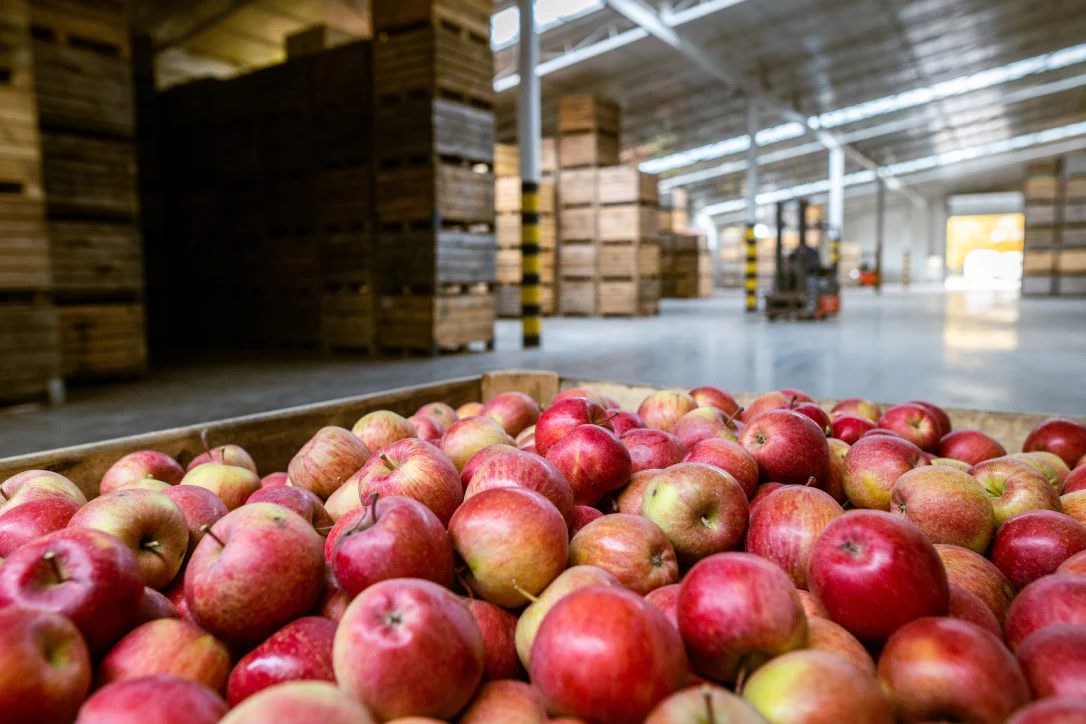
Conversely, non-exempt sectors will feel the immediate pinch. Exporters of wine, table grapes, raisins, berries, apples, pears, soft citrus (mandarins, clementines), and lemons face the full brunt of the 12.5% rate. Growers should note an important distinction: while fresh oranges enjoy the Annex A carveout, soft citrus and lemons are fully exposed to the 12.5% tariff, directly squeezing profit margins and raising landed costs in the US market.
Ceres Fruit Growers Upgrades Strengthen South Africa’s Export Future
Looking Ahead: The 2026 Export Outlook
With public comments and hearings now concluded, the focus shifts to commercial execution. Despite the 12.5% rate, the Agricultural Business Chamber (Agbiz) expects overall 2026 export performance to the US to surpass 2025 levels, thanks to far greater rate stability compared to last year’s volatility. The US remains a vital destination—accounting for roughly 4% of SA’s total US$15.1 billion agricultural export basket—and local growers are well-positioned to maintain their competitive footing.