



The global appetite for South Africa’s indigenous miracle brew is exploding. Renowned for its rich flavour and potent health benefits, Rooibos has officially transitioned from a local staple to an international wellness icon, exported to over 60 countries.
Recent breakthroughs—including eliminated tariffs and expanded market access to China—are opening massive commercial frontiers for South African farmers. However, this booming success brings a critical challenge to our fields: as global demand skyrockets, protecting the right to call a product “Rooibos” matters more than ever before.
A Name Rooted in African Soil
For our agricultural sector, Rooibos is not just a crop; it is a geographic privilege. Aspalathus linearis refuses to be easily replicated, thriving only in the unique climate, soil, and rich biodiversity of the Cederberg and surrounding regions of the Western and Northern Cape.
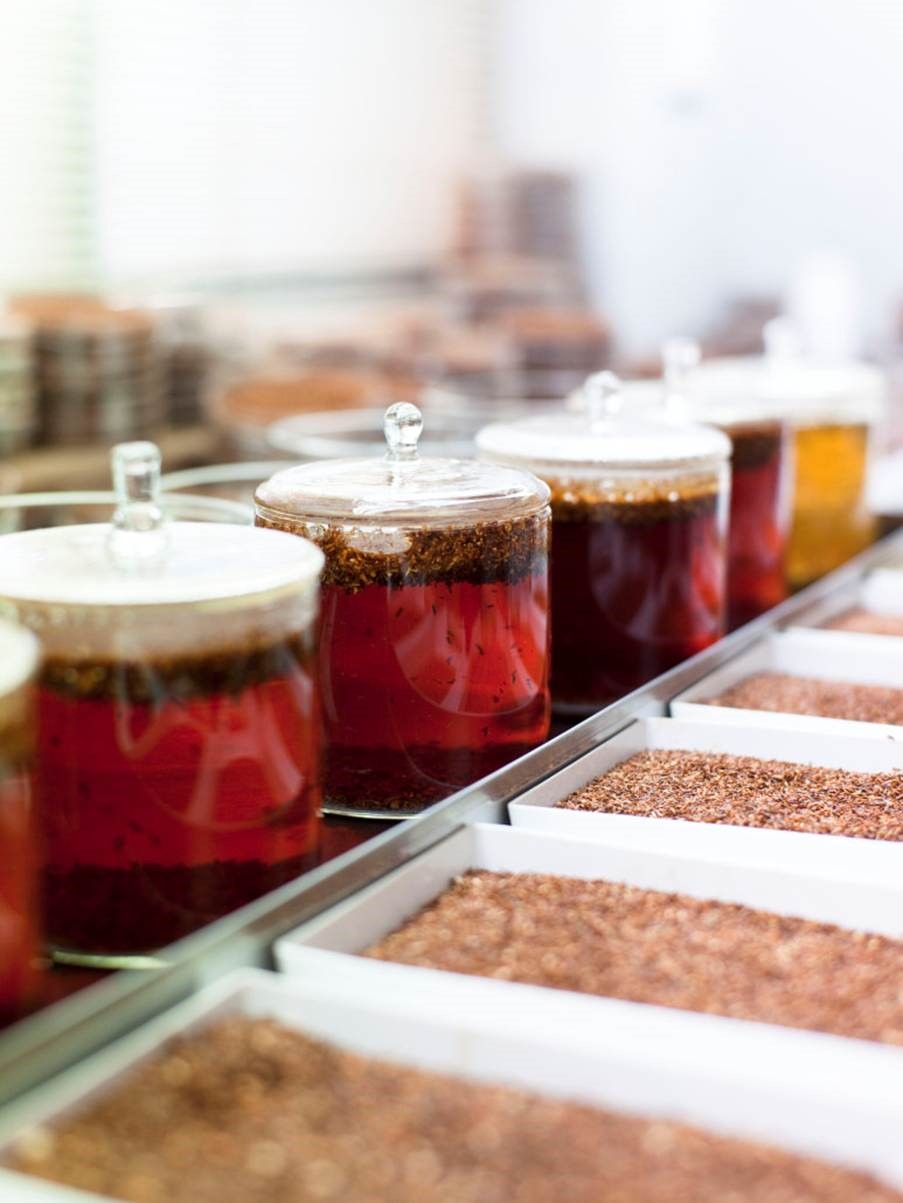
Because of this environmental exclusivity, Rooibos holds formal Geographical Indication (GI) protection and is recognized as a Protected Designation of Origin (PDO) under the EU system. This places our local brew in the elite company of Champagne, Prosciutto di Parma, and Darjeeling tea. Legally, if it is not grown in this specific pocket of South Africa, it cannot bear the name Rooibos.
As international interest peaks, defending this boundary is vital. “Protecting its origin helps preserve the integrity of the product and the reputation South African producers have built over generations,” explains Dawie de Villiers, Director of the South African Rooibos Council (SARC). “Consumers want confidence that they are getting the genuine product from its natural home.”
Defending Authenticity Beyond the Borders
While EU protections offer a iron-clad legal foundation, GI status does not automatically apply in every new corner of the globe. As supply chains expand into complex international markets, Rooibos is increasingly blended into flavored teas, functional health drinks, and even cosmetics.
In premium global food and wellness markets, provenance—knowing exactly where food comes from—is a major value driver. Modern consumers demand authenticity and traceability.
To capitalize on this, the local industry must look beyond basic legislation. “Origin has become part of the value proposition,” notes De Villiers. “Our objective isn’t simply to increase export volumes. It’s to grow demand while maintaining the premium quality, authenticity, and provenance that distinguish Rooibos. That requires strong supply chain traceability, credible certification systems, and ongoing brand stewardship.”
Securing Wealth for the Local Value Chain
For South African farmers, this is a matter of economic survival. The Rooibos industry supports thousands of rural livelihoods across the Cape provinces. Because the crop cannot be grown elsewhere, strict legal and supply chain protections ensure that the financial rewards of global demand flow directly back to the local communities and producers who cultivate it.
By prioritizing measured, sustainable growth and fierce brand protection over rapid, low-quality expansion, the South African Rooibos industry is securing its long-term future, ensuring our golden agricultural asset remains uniquely ours.