

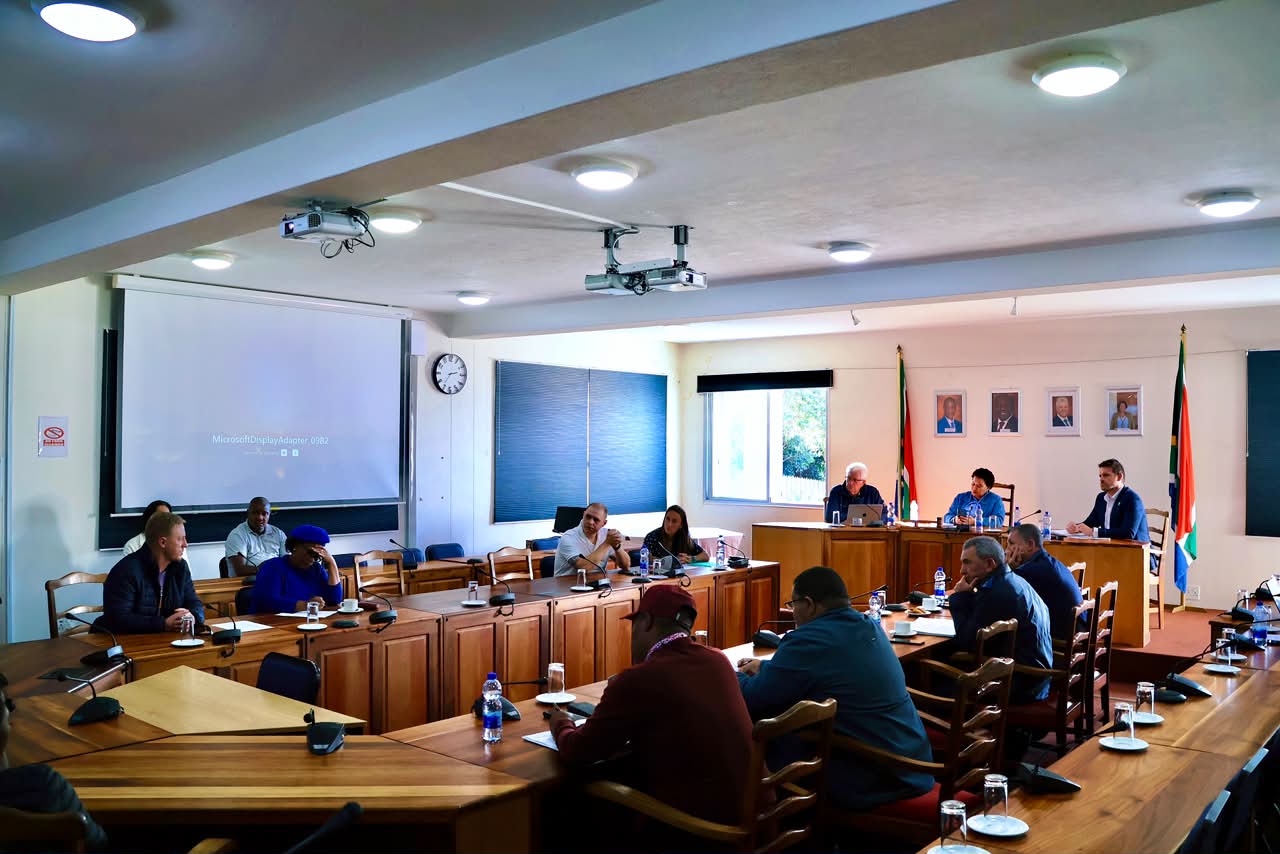

Following a preliminary assessment on 11 June 2026, which revealed a staggering provincial damage bill of over R9 billion, the Western Cape agricultural community continues to grapple with the aftermath of May’s unprecedented storms. Initial figures shared by Premier Alan Winde confirmed that the agricultural sector bore the heaviest brunt, sustaining more than R5.2 billion in damages—accounting for over half of the province’s total destruction cost. Today, as oversight assessments resume, the true human and economic toll is coming to light while rural communities fight to find their normal again.
A Steadily Escalating Damage Bill
As isolated areas become accessible, the true cost of destruction threatens to swallow the province’s entire R10 billion annual infrastructure maintenance budget. Agriculture Minister Dr. Ivan Meyer confirmed that over 680 farmers have now formally logged losses, driving estimated agricultural damage up toward R8.5 billion. This includes R2 billion in ruined crops, R50 million in livestock losses, and a massive R6.4 billion in obliterated on-farm infrastructure like irrigation networks and packing facilities.
Infrastructure Progress Amid Severe Disruptions
In a media update on 22 June 2026, Premier Winde confirmed that emergency interventions have successfully reopened approximately 70% of affected provincial roads. While this brings vital relief to supply chains, prolonged closures of critical routes continue to strangle local agri-tourism and transport, forcing costly detours and delaying essential farming inputs.
Critical Focus: The R328 Cango Caves Road
A major point of crisis for the Klein Karoo’s agricultural network is the ongoing closure of the R328 (Cango Caves Road). The route was initially blocked by a massive rockfall on 6 May. While specialist geotechnical teams were nearing the completion of preliminary slope stabilization, a subsequent severe Level 8 storm system between 3 and 5 June caused intense erosion and washed away much of the progress. Teams returned on 8 June to restart mountain slope stabilization. The Department of Infrastructure stated that it is too premature to commit to an opening date, as clearing boulder debris cannot safely begin until the overhanging cliffs are secure.
Critical Focus: Meiringspoort and Swartberg Pass
Further complicating the agricultural supply chain are the extensive damage bills pinned to the region’s main mountain arteries. The iconic Swartberg Pass remains entirely closed due to deep scouring on its northern slopes. Meanwhile, the situation at Meiringspoort represents a multi-year logistical hurdle; the current repair cost for this vital freight passage is estimated at R421 million, with a reconstruction timeline expected to take up to 26 months.
Power Restoration and Social Toll
For agribusinesses reliant on cold chains, utility restoration has been a race against time. The provincial government reported that 98% of storm-affected communities have finally been reconnected to the grid, with Eskom committing to a 100% restoration target by 24 June. However, with over 231,000 people impacted and 22,890 homes damaged across the province, the social fabric remains deeply frayed as rural labourers attempt to rebuild their lives.
Funding the Future
The road to full recovery is severely constrained by a looming fiscal crisis, forcing intense provincial budget reprioritization. While aggressively petitioning national entities for emergency funding, the Western Cape’s core strategy rests on “building back stronger”—engineering new infrastructure capable of withstanding climate-related disasters, a strategy that will inherently take time and substantial funding.