

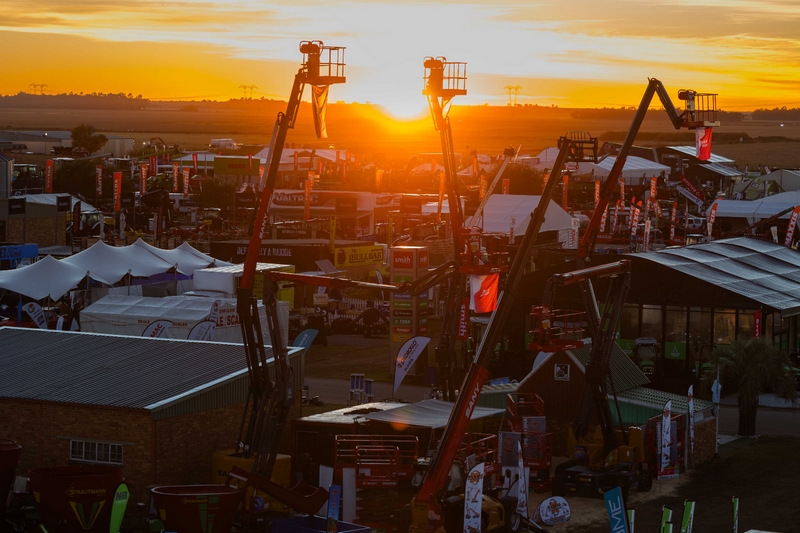

If the opening day of NAMPO 2026 was about defining the crisis, the second day, 13 May 2026, was about finding the capital and the channels to survive it. Grain SA used the day to intensify discussions with government and financial institutions regarding the urgent financial pressures facing producers while advancing long-term solutions for sector resilience.
High-Stakes Financial Dialogue
The day was marked by a high-level breakfast engagement convened by Grain SA Chairperson Richard Krige. The session brought together Minister John Steenhuisen, representatives from AFASA, and senior leadership from South Africa’s major financial institutions, including ABSA, FNB, Nedbank, Standard Bank, and Land Bank.
The primary concern shared with lenders was the staggering increase in input costs. Grain SA revealed that fuel and fertiliser now account for approximately 45% of total production costs in many operations, with fertiliser prices alone surging by up to 80%. Krige warned that these margins are being squeezed further by low commodity prices and high financing costs, requiring “urgent collaboration across the value chain” to protect national food security and rural economic activity.
Tackling Regulatory Hurdles
A significant portion of the financial discussion focused on the D11 directive. Grain SA expressed deep concern over how debt restructuring requirements and current security cover are placing additional strain on already vulnerable producers. This led to a breakthrough agreement to engage with National Treasury regarding the practical implications of the D11 framework on agricultural financing. All parties agreed that financing models must better reflect the seasonal and cyclical nature of farming.
“Grain on Legs” and New Markets
Minister Steenhuisen reaffirmed agriculture’s status as a “bankable opportunity” and a primary driver of economic growth. He highlighted government efforts to unlock international markets where South African producers can earn a premium.
To complement these export goals, Grain SA promoted its “grain on legs” strategy. This initiative focuses on expanding domestic livestock, feed, and protein value chains to convert surplus grain into higher-value products before export. “When logistics systems are constrained, we must not only ask how to move more grain—we must ask how to move more value,” Krige explained.
Innovation in Risk and Energy
The discussions on 13 May also looked toward the future of energy and risk management. Grain SA advocated for biofuels as a critical pillar for market diversification and domestic grain utilisation. Furthermore, Minister Steenhuisen confirmed the government is exploring shared-risk insurance approaches and index-based models with National Treasury to provide faster disaster relief for droughts and floods.
As the second day concluded, the message from NAMPO Park was one of partnership. While the financial climate remains harsh, the alignment between organised agriculture, the state, and the banking sector offers a roadmap toward a more resilient grain economy.