

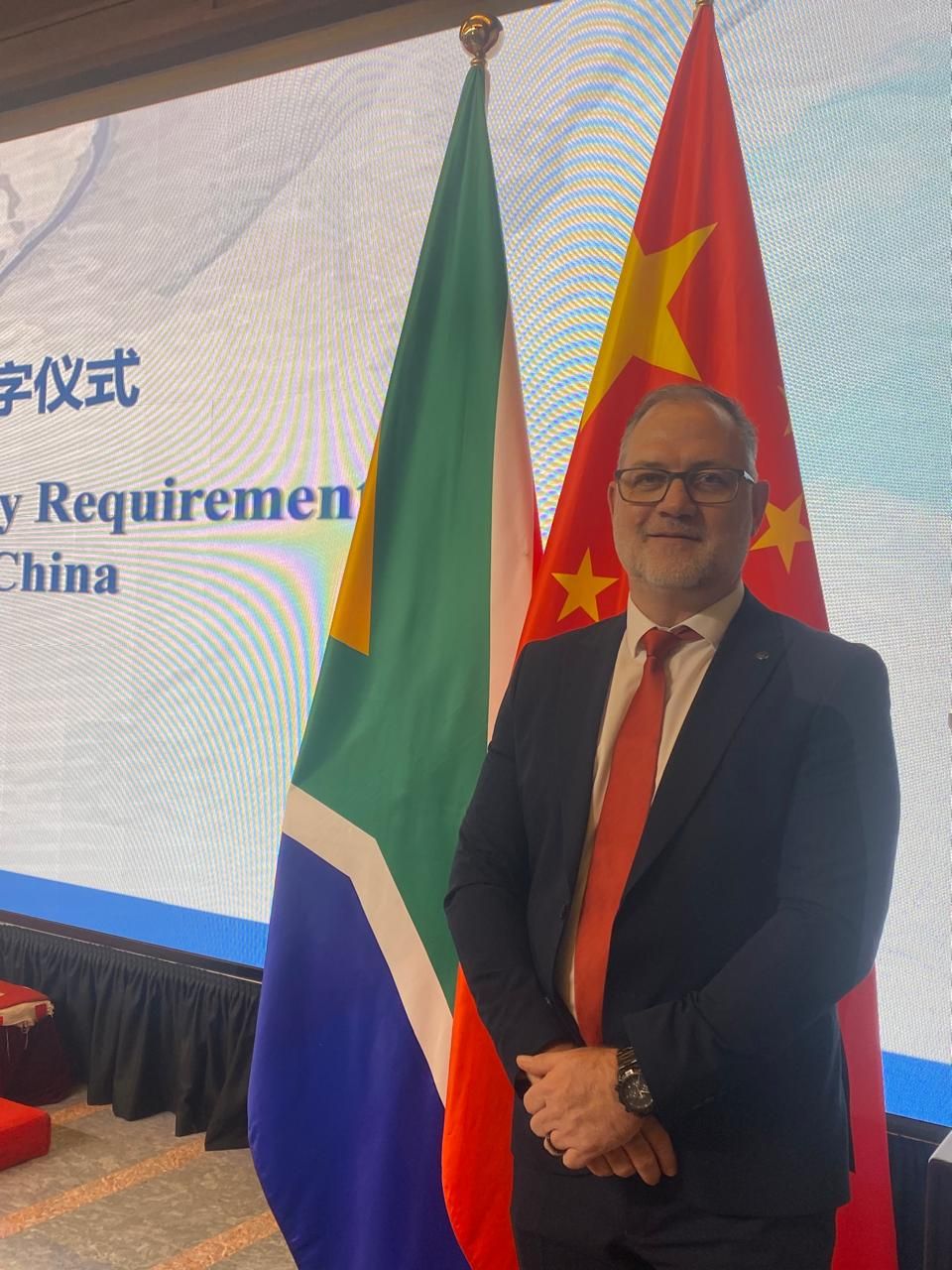

South African citrus producers are entering the 2026 season with a significantly cleared path to the East. Following the signing of a supplementary phytosanitary agreement on 10 April 2026, which streamlines cold treatment protocols, industry and government leaders have confirmed an even larger fiscal breakthrough: zero-tariff access starting 1 May 2026.
The Technical Win: Quality at Lower Costs
The immediate operational relief comes from the amendment of rigid cold treatment requirements. Developed through scientific research by Citrus Research International (CRI), the new protocol allows for more flexible temperature parameters.
Operational Savings: Ambassador Wu Peng confirmed this will “significantly reduce import and export costs” by lowering energy consumption during shipping.
Protecting the Crop: The move directly addresses the “risk of cold damage,” ensuring that South African fruit retains its premium quality and shelf life upon arrival in China.
The Fiscal Win: The 1 May Zero-Tariff Milestone
In what Minister John Steenhuisen described as a “gamechanger,” the technical protocol update is the first step in implementing China’s pledge to extend zero tariffs to its African partners.
From 1 May 2026, South Africa will benefit from a unilateral measure by China to remove duties on almost 100% of tariff lines.
Strategic Growth: This policy removes one of the final financial hurdles for the industry, which exported 11.5 million cartons to China in 2025 and is now targeting a significantly larger market share.
Why This Matters Now
The CGA is currently working to ensure the citrus sector is a primary beneficiary of the “Early Harvest” agreement. With the 2026 season already showing strong volume, the combination of lower electricity costs for cooling and zero duties at the Chinese border could provide a much-needed boost to the sector’s US$2.47 billion export economy.
As Minister Steenhuisen noted, this synergy between technical and economic diplomacy is “the kind of progress we are working to replicate across the sector” to ensure long-term sustainability for the 140,000 workers who depend on the citrus value chain.