

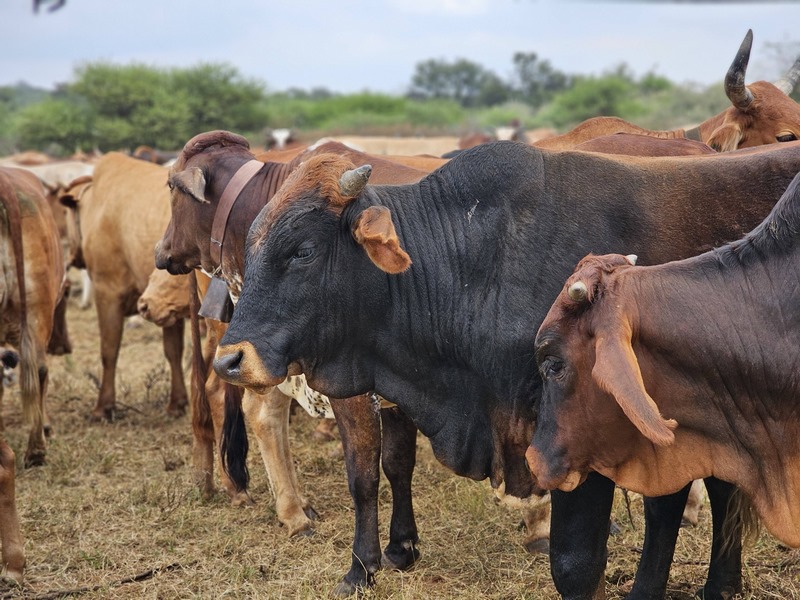

The Department of Agriculture has signalled a decisive shift in its strategy to combat Foot-and-Mouth Disease (FMD), moving from reactive containment to a proactive, nationwide offensive. In a pair of landmark announcements, Minister of Agriculture John Steenhuisen has introduced a draft national vaccination framework and strengthened the role of the wildlife sector to protect the country’s multi-billion rand livestock and tourism industries.
A Leap Forward: The Routine Vaccination Scheme
In a move described as a “meaningful leap forward,” Minister Steenhuisen has announced the intention to publish the Routine Vaccination Scheme for Foot-and-Mouth Disease (RVS-FMD). Established under Section 10 of the Animal Diseases Act, 1984, this draft scheme marks a significant shift toward a voluntary, nationwide framework for managing one of the most economically impactful viral diseases in the livestock sector.
The scheme is designed to facilitate coordinated vaccinations for domesticated cloven-hoofed animals, ensuring business continuity for participating farmers while mitigating disease risk. Key pillars of the RVS-FMD include:
Traceability: Every animal must be uniquely identified and recorded on a national system through branding, tattooing, or electronic ear tags.
Oversight: A dedicated committee will be formed, comprising state and private veterinarians, virology experts, and representatives from the dairy, feedlot, small stock, and pig industries.
Strict Compliance: While enrollment is voluntary, participants must comply with strict biosecurity plans, cold chain management for vaccines, and regular audits.
The Department of Agriculture has invited all interested parties to submit comments on the proposed scheme within seven calendar days of the notice, which was gazetted on 10 April 2026.
Integrating the Wildlife Sector
Parallel to the vaccination scheme, the Ministry has integrated the wildlife sector directly into the FMD Recovery Plan. This recognizes that African buffaloes are the natural, asymptomatic reservoirs of the virus and remain the primary source of infection for livestock in Southern Africa.
Minister Steenhuisen has appointed Dr. Gary Bauer of Wildlife Ranching South Africa (WRSA) to the Ministerial Task Team. Dr. Bauer brings crucial expertise at a time when the disease-free buffalo industry—consisting of over 3,200 registered farms—is highly vulnerable to the current outbreaks. Under current protocols, infection in a certified disease-free herd requires complete culling, a requirement that is practically unworkable in large reserves and poses enormous economic challenges.
“Buffaloes are central to the epidemiology of this disease,” stated Minister Steenhuisen. “Any serious strategy to restore our status must account for that reality”.
The Road to Recovery
The Ministerial Task Team is currently implementing a decisive, fact-driven blueprint focused on vaccination, regionalisation, traceability, and market re-entry readiness. By aligning policy with veterinary science and operational execution, the government aims to restore confidence in the livestock sector and eventually return South Africa to an internationally recognized disease-free status.
Stakeholders can access support via the Toll-Free FMD Support Line (0860 246 640) or report suspicious cases at fmd.nda.gov.za.