


With fertilizer costs hitting 50% of budgets and a looming R4.40/L diesel hike, the 2026 Grain SA Congress highlights a widening gap that threatens national food security.
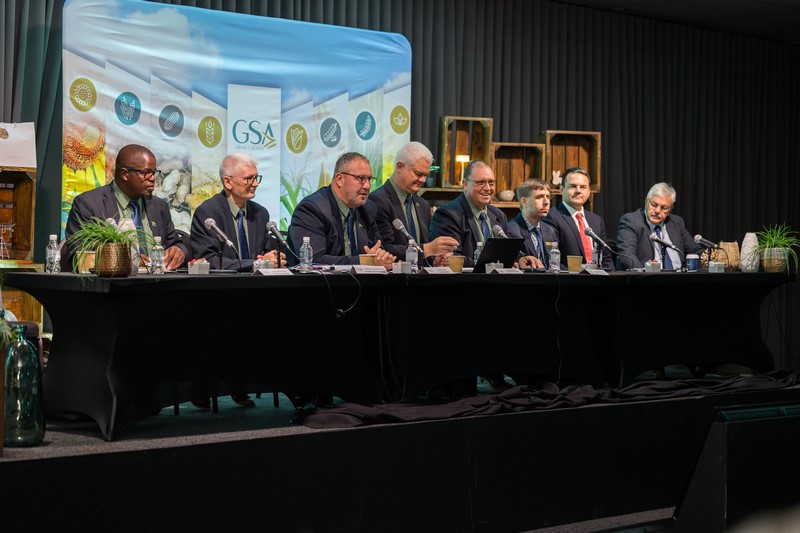
NAMPO PARK, Bothaville – The 2026 Grain SA Congress, held on 11 and 12 March under the theme “Opening the Gap: Sustainability Key; Profitability Foremost,” brought together 615 delegates to confront a cooling reality: the widening gap between the cost of production and the returns producers receive. Over two days, the message was clear: while South African grain farmers are resilient and innovative, the current operating environment is placing unsustainable pressure on long-term viability.
The Profitability-Food Security Link
A central reality stood out across every keynote and breakaway session: food security cannot be separated from farm profitability. If producers cannot remain commercially viable, the country’s wider food system becomes more fragile.
Currently, grain producers are being squeezed from every direction. Fertilizer continues to account for a major share of production costs—often between 35% and 50%—while fuel makes up another 12% to 18%. Producers were warned that further pressure is likely, with rising shipping risk premiums and a projected diesel increase placing even greater strain on already thin margins. In practical terms, many farmers are now carrying the cost of an expensive crop into a cheaper market.
Predictability Over Protection
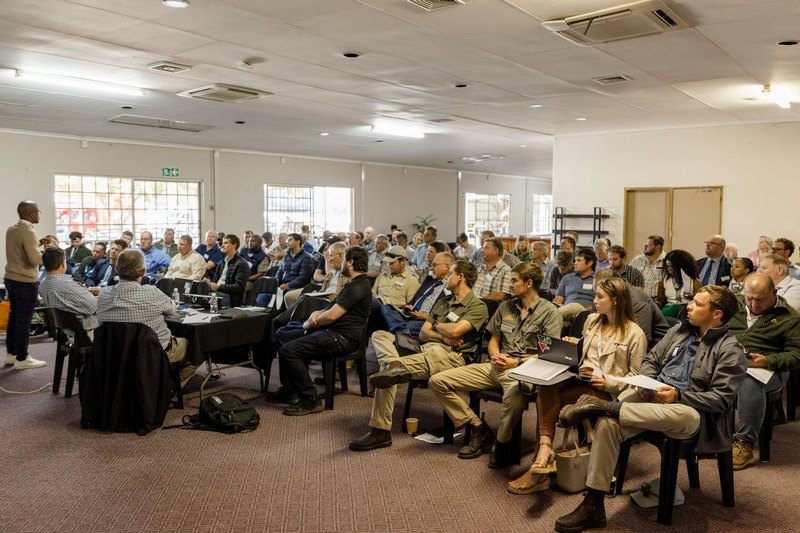
For the 325 producers in attendance, the issue is not just risk—it is unpredictability. While farmers are accustomed to managing weather cycles, the Congress highlighted that policy uncertainty, delayed administrative decisions, and failing infrastructure are now compounding normal business risk.
The industry is not asking for protection from markets, but for an enabling environment where infrastructure works and government decisions are implemented clearly and on time. This is especially critical in the wheat value chain, where South Africa remains structurally dependent on imports for 40% to 50% of domestic needs, while local producers battle conditions many regard as no longer economically sustainable.

Infrastructure: Erosion of Margins
Infrastructure inefficiency was identified as a direct threat to the farm gate. Poor roads, costly logistics, and the continued decline in rail efficiency are no longer “secondary irritants.” Every delay and every additional kilometer travelled on damaged roads adds cost to the value chain and reduces the producer’s margin. While Grain SA welcomed the focus on new agricultural logistics corridors, Congress made it clear that implementation now matters more than intention.
The message from Bothaville was not one of retreat, but a call for urgency and action. As Grain SA reinforces its role as a practical partner to producers, the challenge to the state remains: create a predictable policy environment and fix the corridors that connect the orchard and the field to the world.

In Tomorrow’s Edition (Part 2): We move from the crisis to the “Path Forward.” We dive into the specific solutions tabled at Congress—from automated wheat tariffs and faster regulatory pathways for innovation, to the high-tech DIFM project helping farmers find the “economic optimum” through checkerboard trials.