


As we cross the threshold of the second week of January 2026, the South African agricultural landscape presents a striking study in contrasts. While much of the country is still settling into the rhythm of the new year, the farming sector is vibrating with a unique intensity. It is a month where the air is heavy with both the scent of ripening fruit and the electric tension of the mid-summer thundershowers.
Western Cape: Heat, Wind, and Early Vines
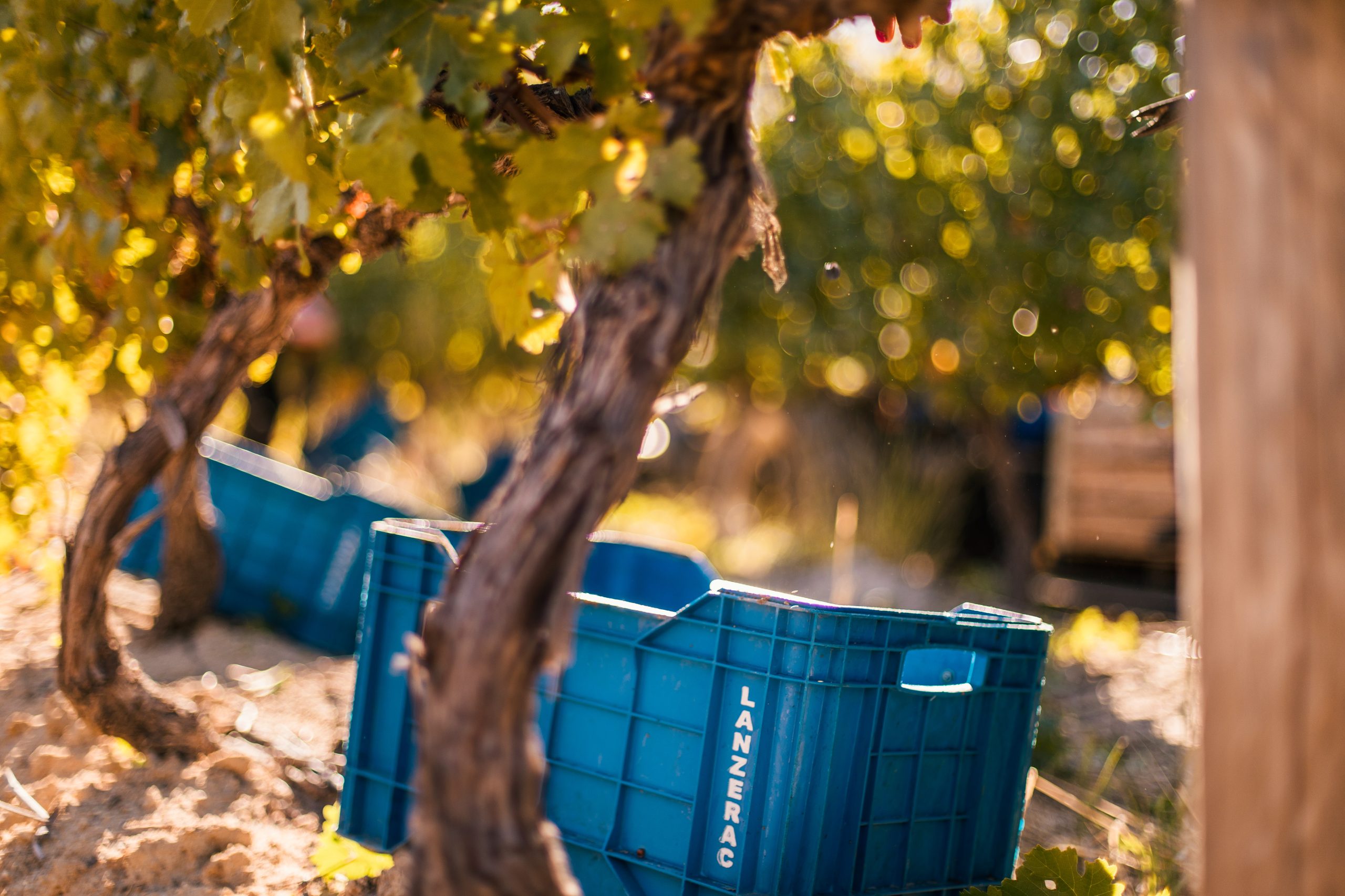
In the Western Cape, the “harvest heat” is officially on. This year, the “theatre of the vines” has opened its curtains earlier than usual. Due to a particularly dry and warm start to the summer, many estates in Franschhoek and Stellenbosch began harvesting their first Sauvignon Blanc grapes nearly two weeks ahead of schedule.
For these producers, the second week of January is the high-stakes culmination of a year’s labour. It is a delicate dance where Brix levels (sugar content) and complex cooling logistics dictate the rhythm of the day. Every degree of temperature and every hour of sunlight is calculated to ensure that the stone fruits and grapes arriving in global markets are as fresh as the moment they were picked. Despite some challenging wind conditions at the ports, the mood remains upbeat as the first “cascade” of fruit enters the cellars.
High-Stakes Vigilance and the Limpopo Crisis
Meanwhile, across the summer rainfall regions, the frantic planting pace of late 2025 has shifted into a period of “make-or-break” vigilance. However, for the north-eastern provinces, the situation has turned from a summer blessing into a National Disaster.
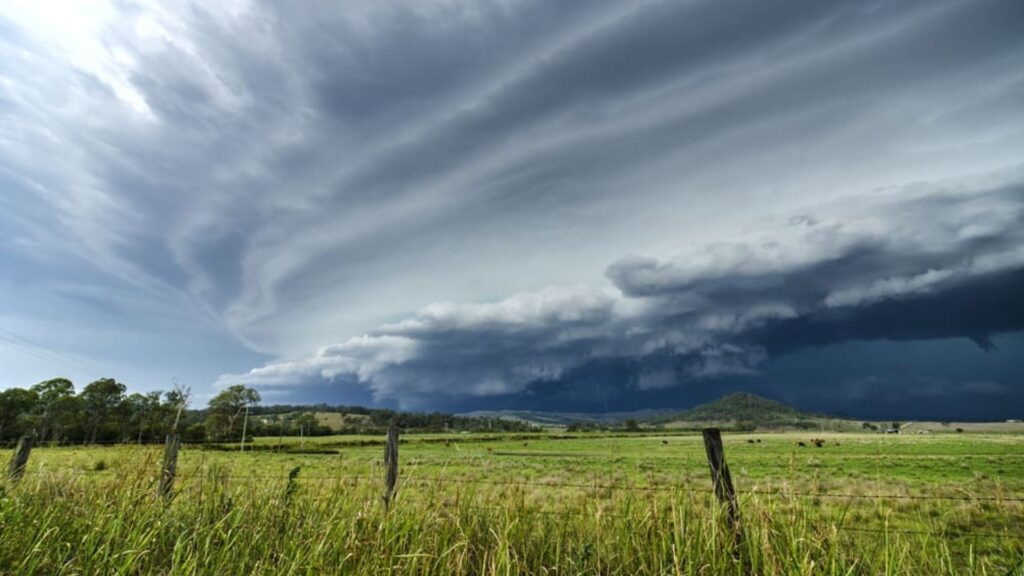
In Limpopo and Mpumalanga, the second week of January brought relentless “Red Level 10” rainfall. The subtropical heartland is currently battling catastrophic flooding that has submerged villages and severed critical supply chains. In areas like Tzaneen, Hoedspruit, and Phalaborwa, citrus growers are facing a dual crisis: waterlogged orchards have made it impossible for machinery to enter to spray against citrus black spot, and several irrigation dam walls are under immense pressure from saturated soils. For small-scale vegetable farmers in the Vhembe and Mopani districts, the floods have been devastating, washing away entire crops of cabbage, spinach, and butternut.
Further south in the “maize triangle” of the Free State and North West, the 2025/26 season is at a different kind of junction. Under the influence of a weak La Niña, some farmers are praying for sunshine to clear waterlogged fields, while others—particularly in parts of the North West—are watching their rows anxiously, hoping for a downpour to support the critical pollination of maize and the flowering of soybeans.
Beyond the Commodity: The Farm to Fork Legacy
Within this window of intense activity, the “Farm to Fork” movement finds its deepest meaning. It has evolved beyond a culinary buzzword into a vital lifestyle philosophy. In an era where consumers are increasingly hungry for transparency, the farmer has emerged as the hero of the narrative—whether they are navigating a rescue operation in a flooded Limpopo orchard or a high-speed harvest in the Hex River Valley.
There is a renewed pride in the South African agricultural community, even in the face of disaster. By embracing this movement, we are refining the “farm narrative”—reminding our society that the most important journey starts in our own soil, moves through our own hands, and ends with the nourishment and health of our nation. January is not just a month on the calendar; it is the heartbeat of our food security.