


A double-stroke of trade breakthroughs has placed the Western Cape equine industry back on the global stage, promising to inject millions into the rural agricultural economy and secure thousands of local jobs.
Following a successful direct export consignment of 31 horses to France under European Union (EU) protocols on 30 June 2026, the British Government has officially approved the direct import of live horses from South Africa to Great Britain.
The End of the Exhausting “Mauritius Detour”
For years, local breeders and exporters have faced a logistical and financial nightmare. Following a direct export ban established in December 2010, horses destined for European markets had to undergo a stressful, exhausting, and incredibly expensive four-to-six-month transit route via Mauritius to clear biosecurity protocols. This detour cost export owners hundreds of thousands of Rands per horse and meant athletes often arrived out of peak athletic condition.
While direct exports to the EU initially resumed in late 2024, this landmark decision by the British Government on 15 July 2026 expands market access significantly. Registered equines complying with UK import conditions can now fly directly from the approved vector-protected quarantine station in Cape Town, cutting travel times down to a single day.
This milestone reflects years of intense lobbying and strict biosecurity compliance driven by the South African Equine Health & Protocols NPC (SAEHP), the South African Department of Agriculture, and the Western Cape Department of Agriculture. Supported by critical funding and vision from the Hong Kong Jockey Club, this victory follows earlier trade openings with Dubai, New Zealand, and Australia.
Strict Protocols Keep the Gateway Open
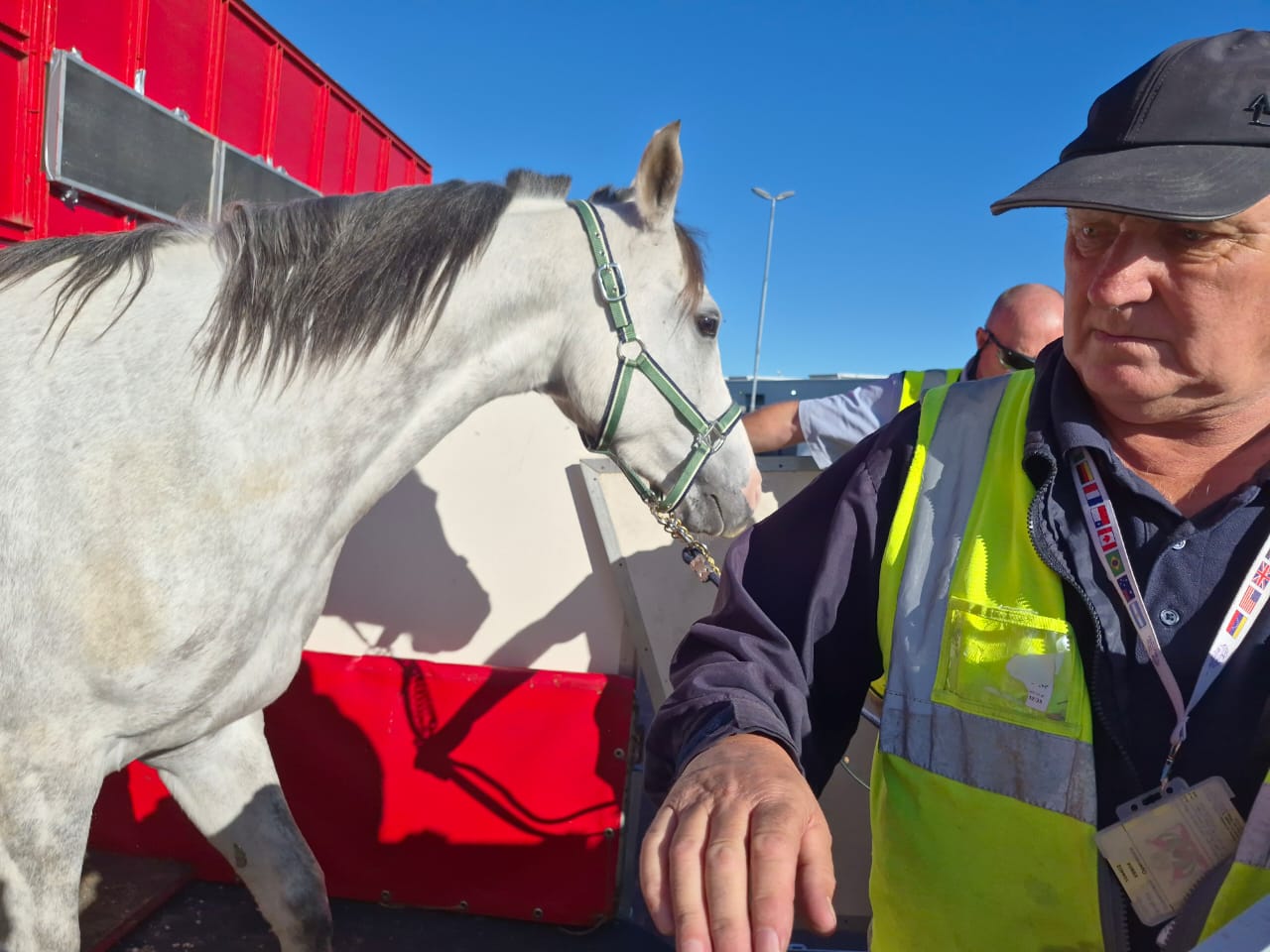
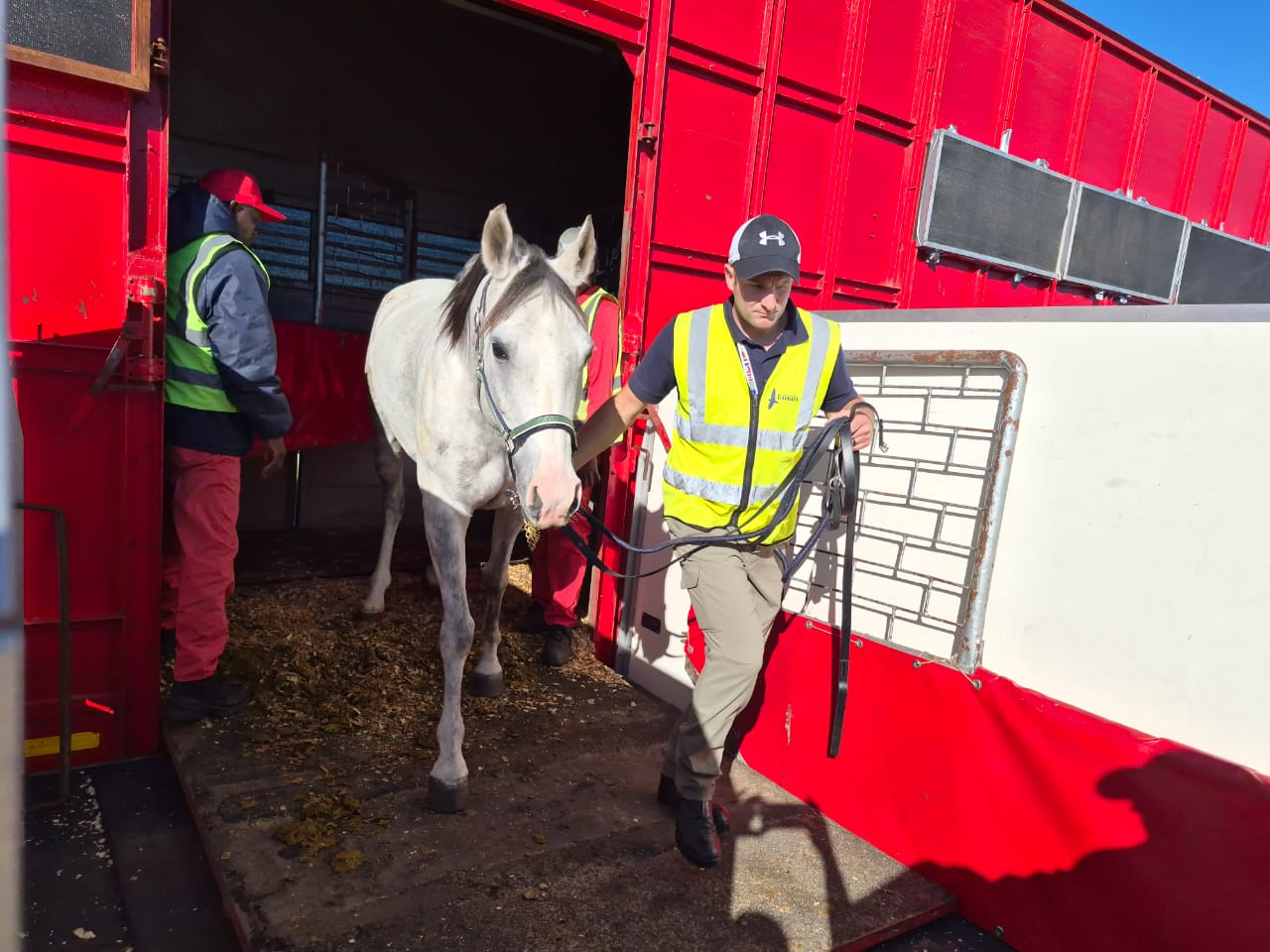
The policy victory is already translating into action on the tarmac. On 30 June 2026, a shipment of 31 horses successfully departed Cape Town International Airport bound for France, having completed their pre-export quarantine at the Kenilworth Quarantine Station (KQS).
This flight took place under reinstated EU protocols, serving as a vital real-world proof of concept. The flawless execution of this shipment helped pave the way for the British Government’s separate, landmark decision on 15 July 2026 to authorize direct UK access.
Western Cape Minister of Agriculture, Economic Development and Tourism, Dr Ivan Meyer, hailed the shipment as proof of the Western Cape’s robust biosecurity systems. Because Cape Town is internationally recognized as an African Horse Sickness (AHS) Free Zone, it remains the sole legal gateway for these high-value exports.
To qualify for these direct flights, exporters must comply with strict veterinary protocols:
- Residency: Horses must complete a minimum of 40 days of residency within the Western Cape’s AHS Free Zone.
- Hard Lockdown: The final 14 days of this period must be spent in strict, vector-protected quarantine at KQS to prevent any insect-borne transmission.
The Competitive Edge: Premium Bloodlines at Great Value
For local agriculturalists, the timing of this reopening couldn’t be better. Due to favourable exchange rates and lower local rearing costs, international buyers can purchase elite, world-class South African horses at a fraction of the cost of their European counterparts. Eliminating the costly Mauritius transit leg makes South African bloodlines an incredibly lucrative and irresistible option for global buyers.
The equine and racing industry is a massive agrarian engine, supporting roughly 177,000 jobs—many of them in rural farming communities—and contributing over R7 billion to national GDP.
By securing direct, stress-free pathways to the UK and EU, South Africa is not just exporting horses; it is securing rural livelihoods, protecting agricultural jobs, and positioning the Western Cape as the premier breeding capital of the Southern Hemisphere.