

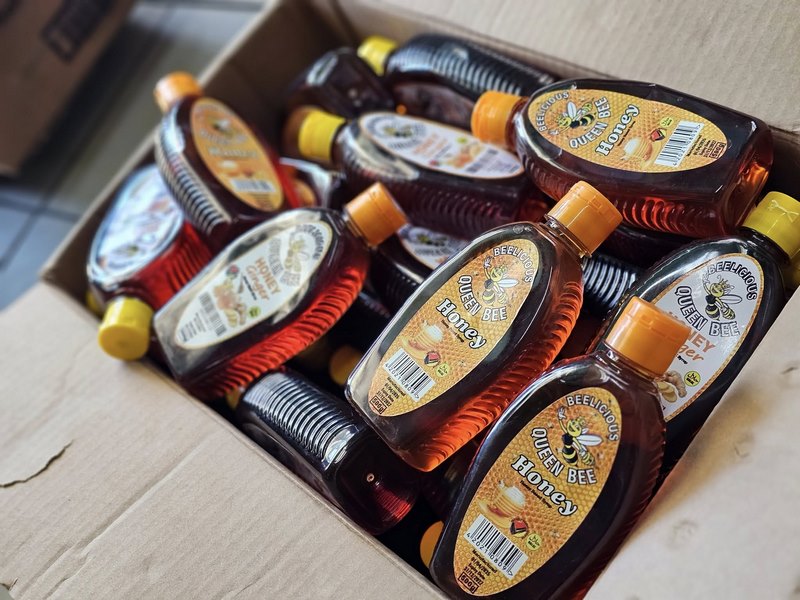

The promise made in November has become the crucial enforcement action of December. South Africa’s Department of Agriculture has moved swiftly from strategy to street-level action, launching an extensive operation to clear store shelves of counterfeit honey products. This decisive effort stems directly from the commitments made on Monday, 10 November 2025, when Minister of Agriculture John Steenhuisen unveiled a comprehensive plan to protect the R10 billion bee industry.
The Urgency: Why the Crackdown Matters
This concerted action is not simply about quality control; it is fundamental to national food security and economic integrity. The honeybee, deemed the “farmer of the sky,” is indispensable, pollinating nearly 75% of South Africa’s commercial crops. The industry’s viability is constantly threatened by counterfeit products that flood the market, undermine the prices paid to honest producers, and defraud the public.
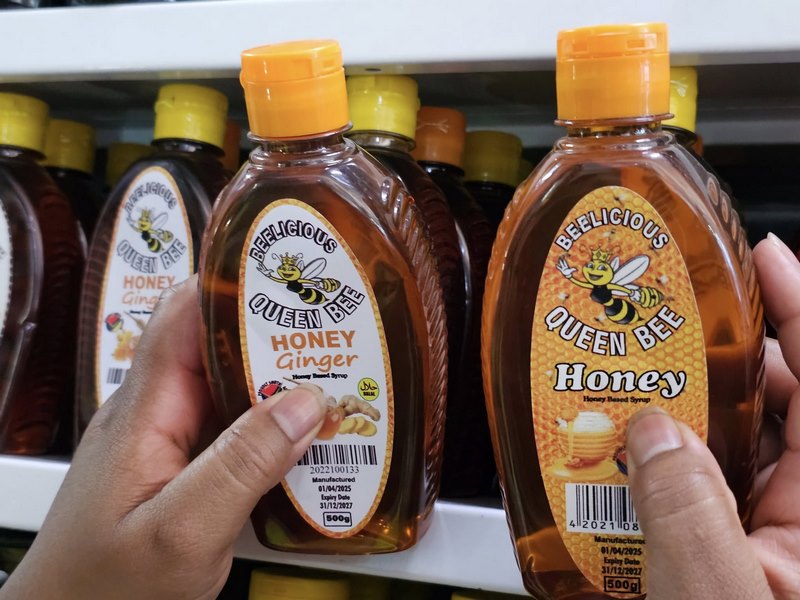
Protecting Producers: Fake honey—often cheap syrup—pushes genuine beekeepers out of business, jeopardising rural jobs and the future of the industry.
Protecting Consumers & Health: Shoppers pay a premium for high-quality, pure honey but receive nutritionally void “honey-based syrups,” which can pose a health risk, particularly to vulnerable consumers.
Upholding the Law: The operation enforces the Agricultural Product Standards Act, 1990, ensuring fair trade and accurate labelling as required by South African food law.
Operation #stopfakehoney: The Action on the Ground
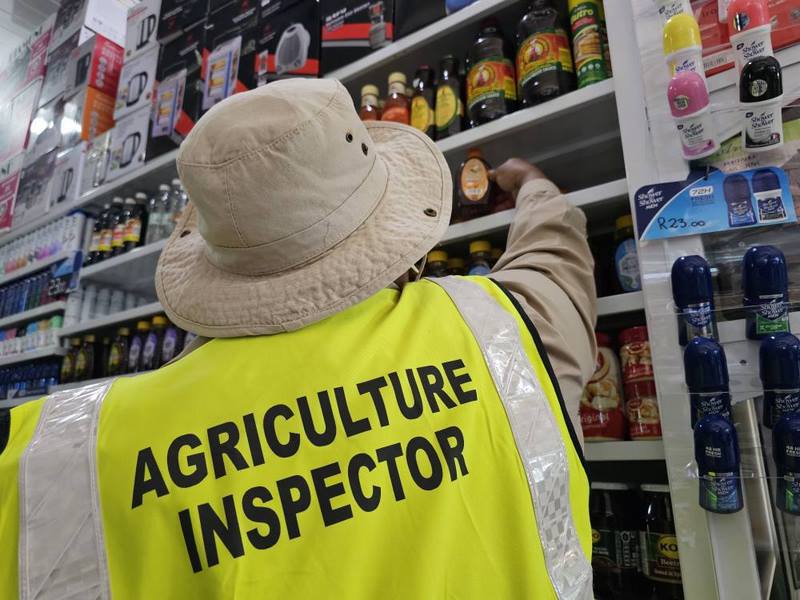
In line with the Minister’s pledge, the Department of Agriculture’s Inspection Services are currently deploying teams for the #stopfakehoney joint operation. Their mandate is clear: to identify and confiscate products illegally labelled and sold as honey.
The specific target of this enforcement is the influx of imported and locally blended products disguised as the genuine article. Inspectors are actively sweeping stores to remove anything labelled with deceptive terms like “honey-based syrup,” which often mask cheap substitutes like corn syrup. This ensures that the commitment made in November to tackle product adulteration is now a visible reality for retailers and consumers alike.
Empowering the Public: How to Identify Fake Honey
While regulators are cracking down on suppliers, the Department is simultaneously empowering consumers to be vigilant. By adopting the #KnowYourHoney guidelines, shoppers can protect themselves and become the first line of defence against fake products:
Check the Label: If it says “honey blend,” “honey-based syrup,” or anything other than pure honey, put it back.
Observe the Texture: Real honey is thick and slow-moving and will cling to a spoon. Fake honey often runs quickly and cleanly like water.
Check the Price: If the price is very cheap, it is a strong indicator that the product is likely not real honey.
Source Wisely: Protect your purchase by buying from trusted, reputable brands or local beekeepers you know personally.
Securing the Future: Sustainability and Export Ambitions
The inspection sweep is part of a larger government commitment to build a resilient and sustainable bee industry. The Minister made a direct appeal to farmers to prioritise pollinator health, warning against pesticide misuse during bloom and stressing: “When bees die, farming loses its heartbeat.”
To ensure the sector’s long-term strength, the government is focusing on:
Export Growth: Finalising the Residue Monitoring Plan to open access to the lucrative European Union (EU) market, placing South Africa alongside exporting nations like Tanzania and Zambia.
Strategic Planning: Developing key initiatives, including a National Beekeeping Strategy, a Bee Forage Strategy (to combat shrinking food sources), and an AFB (American Foulbrood) Management Strategy.
By moving decisively in December and establishing these long-term pillars, the government confirms its commitment to an industry that is vital for economic empowerment, food security, and the quiet stewardship of a healthy environment.