


The Southern African agricultural landscape is currently facing a critical test of its integration and cooperation. According to Wandile Sihlobo, Chief Economist at the Agricultural Business Chamber of South Africa, recent trade restrictions imposed by regional neighbours are threatening the core principles of the Southern African Customs Union (SACU).
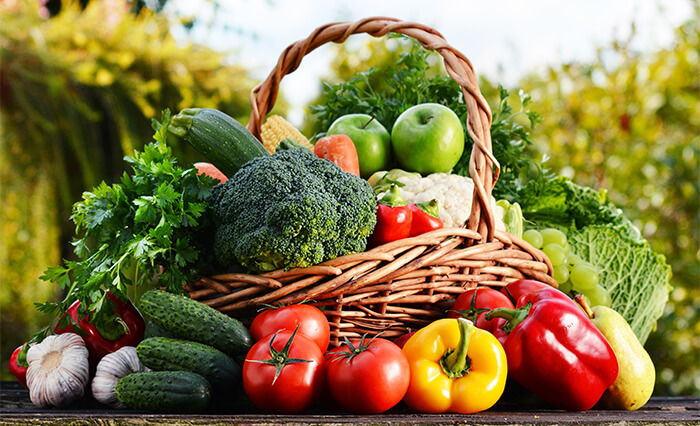
The brunt of these bans will be felt most acutely by South Africa’s commercial and small-scale farmers in the border regions of Limpopo, the North West, and the Northern Cape, who rely on seamless cross-border trade. The specific sectors facing immediate injury include the fresh produce industry—particularly vegetable and fruit growers—as well as the poultry sector, which now faces restricted access to traditionally stable regional markets.
A Breach of the Customs Union Spirit
Namibia, Botswana, and Mozambique have recently introduced restrictions on South African agricultural exports. In the case of Namibia and Botswana, these actions are particularly concerning as they are members of SACU. A fundamental pillar of a customs union is the free movement of goods. Sihlobo argues that these “unjustifiable” restrictions have no basis within a common customs area, especially when they are implemented to advantage domestic sectors rather than addressing legitimate concerns like national security or animal diseases.
The Economic Stakes for South Africa
The regional market is a critical pillar for South African producers. In 2025, South Africa’s agricultural exports reached $15.1 billion, with roughly 17% destined for the SACU region—a share almost comparable to the 21% destined for the European Union. These trade barriers risk unravelling the utility of SACU, which has already limited South Africa’s ability to negotiate independent bilateral trade deals globally.
The Growing Cost of Trade Volatility
The timeline of these restrictions reveals a disruptive “on-and-off” pattern. From the initial vegetable bans in 2021 to the sudden reinstatement of restrictions in December 2025—which notably lacked any biological or disease-related justification—the lack of policy consistency has become a major hurdle. For an industry of this scale, these regional shocks are direct hits to market stability, undermining the long-term investment needed to fulfill the promise of the AfCFTA by 2030.
A Coordinated Path Forward
South Africa remains the dominant force in regional food production due to its technical advancement. Sihlobo proposes that instead of blocking trade, neighbors should look toward a coordinated strategy with South Africa, relying on South African agribusinesses to provide inputs and expertise to boost their own production capabilities. The immediate priority is to “de-risk the future” through high-level diplomacy and a reassertion that trade restrictions are inconsistent with the legal architecture of regional integration.
The Real-World Impact on the Ground
The repercussions of these trade bans extend beyond a simple loss of sales. For South African farmers, the primary damage lies in the unpredictable “stop-start” nature of trade, which makes long-term production planning nearly impossible. When borders close without warning, producers are left with perishable surpluses that cannot be easily redirected, leading to significant financial losses and potential farm labor retrenchments.
On a strategic level, these barriers force agribusinesses to seek more distant, higher-cost markets, ultimately weakening the competitive advantage that South Africa’s scale should provide within the region.