

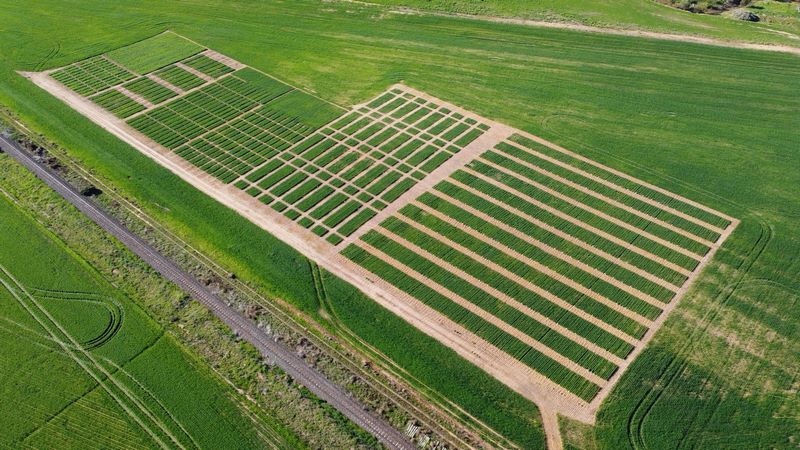

Data-driven decision-making lies at the heart of modern agriculture, yet the sheer volume of weather readings, soil metrics, and localized trial information available today does not guarantee better farming outcomes. Access to information alone does not automatically translate into higher yields, improved resource efficiency, or greater profitability.
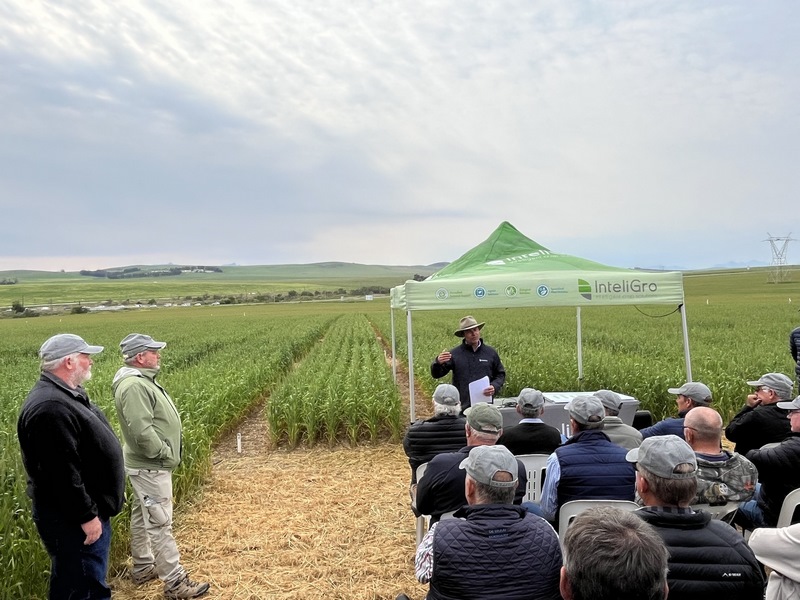
As highlighted by Janet Lawless, Marketing Manager at InteliGro, at the Stellenbosch launch of Pessl Instruments’ initiative to deploy 10,000 weather stations across Africa, the true challenge facing primary producers is converting raw data into timely, actionable insights—backed by trusted human expertise in the field.
From Numbers to Insights: Timing is Everything
Data collection is merely the foundational step of precision agriculture. Continuous streams of rainfall records, ambient temperature shifts, and soil moisture levels offer limited utility when confined to an isolated dashboard. To generate real operational value, these data points must be converted into structured decision-support models.
Whether determining the optimal planting window, fine-tuning fertilizer application, targeting disease spray cycles, or mitigating severe microclimate risks, growers require clear contextual analysis rather than unrefined metrics. A notification indicating elevated relative humidity is informative, but a model that interprets that reading into a specific risk window for fungal infection allows a farmer to take precise, preventive action before crop damage occurs.
The Human Factor in Precision Agriculture
While digital platforms can analyze trends and calculate risk probabilities, commercial farming remains deeply contextual and grounded in physical experience. Field sensors cannot evaluate historic paddock performance, labor constraints, market fluctuations, or unique soil characteristics that experienced growers and advisors know firsthand.
This makes human expertise the vital link between digital platforms and on-farm execution. Agronomists and technical advisors provide the necessary interpretation to adapt technological output to a property’s unique operational realities. Far from replacing human judgment, modern digital tools function as decision-amplifiers, equipping farm managers with the clarity needed to validate their intuition and manage risk effectively.
Building Resilient Operations Across Africa
As large-scale technology deployments bring microclimate monitoring to more agricultural regions across Africa, closing the gap between sensor installation and day-to-day management becomes critical. Investment in hardware will only deliver measurable returns if growers are empowered to act on the resulting information.
South Africa and Namibia Prepare for Historic Lamb Champs Invitational
Navigating climate volatility, rising input costs, and yield goals requires a complete decision-making ecosystem: robust sensors to collect field data, intelligent analytics to extract clear insights, and skilled agricultural advisors to guide execution when it matters most.