

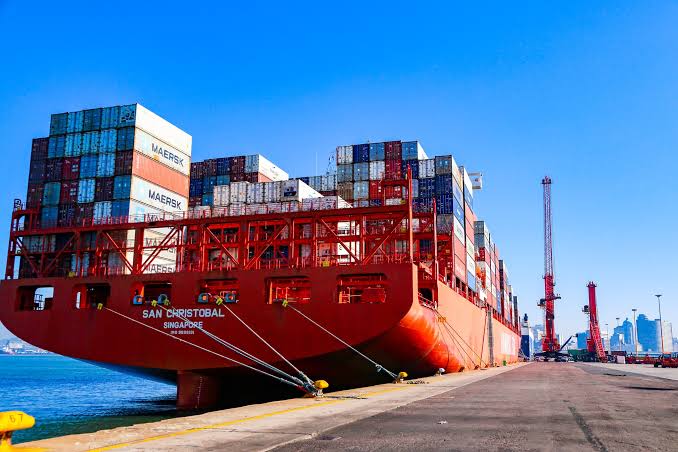

Severe congestion and vessel backlogs at the Port of Durban—South Africa’s busiest container terminal—are rippling across the agricultural value chain, adding weeks to transit times, inflating freight surcharges, and threatening both perishable exports and summer planting inputs.
Industry updates from the South African Association of Freight Forwarders (SAAFF) and port trackers show 13 to 14 container vessels queuing specifically for Durban Pier 2—representing roughly 35,000 outstanding container moves—with vessels facing up to 12 days at anchorage before berthing, followed by days of terminal servicing and landside congestion. Freight forwarders estimate current conditions add 15 to 20 days to affected supply chains.
System Cutover and Equipment Strain at Pier 2
The latest crisis at Durban Container Terminal Pier 2—now operated by Durban Gateway Terminal (DGT) in partnership with Philippines-based International Container Terminal Services Inc (ICTSI)—was triggered in part by a troubled mid-August migration to the Navis N4 terminal operating system, compounded by ageing straddle carriers and cranes.
Transport Minister Barbara Creecy recently acknowledged that the timing of the system cutover was “not good,” giving DGT three months to turn performance around. While the Citrus Growers’ Association (CGA) reiterated its long-term backing for private-sector participation at Pier 2, it confirmed that immediate terminal backlogs disrupted shipping schedules and caused exporters to miss critical overseas market windows.
Transnet Unveils Emergency Decongestion Plan
In a media statement issued on 18 November, Transnet SOC Ltd announced urgent, senior-led interventions with DGT to restore operational fluidity:
Extra Berths & Ngqura Diversions: Transnet National Ports Authority (TNPA) has immediately dedicated Berth 102 for geared vessels, while suitable Durban-bound ships are being diverted to the Ngqura Container Terminal (NCT) in the Eastern Cape for feeder shuttling back to Durban.
Pier 1 Crane Handover: Refurbished ship-to-shore cranes are returning to service at Pier 1, with the final crane due to be handed over on Saturday, 21 November, bringing all six cranes online.
Rail Evacuations: Transnet Freight Rail (TFR) has deployed additional trains to move Gauteng-bound import containers off the port’s landside stacks.
Cape Town Fruit Season Protected: Transnet confirmed it ruled out transferring handling equipment from Cape Town Container Terminal and Cape Town Multi-Purpose Terminal to Durban, noting both terminals need their full capacity for the peak deciduous fruit export season.
Cold-Chain Risks, Surcharges, and Delayed Farm Inputs
For agricultural cargo owners, the backlog hits on both ends of the supply chain:
Cold-Chain & Surcharge Pressure: Multi-week waits force refrigerated (“reefer”) containers to run far longer than planned, shortening shelf life on arrival. Meanwhile, shipping lines have passed congestion costs onto cargo owners—including Maersk quadrupling its peak season surcharge on Far East cargo to $1,000 per 20-foot container in November—while gate queues trigger depot returns and demurrage bills.
Delayed Planting Inputs: With summer grain and oilseed planting underway across South Africa’s interior in November, delays at Durban risk slowing imports of fertiliser, crop-protection chemicals, and machinery spare parts—adding holding costs that ultimately land at the farm gate.
Testing Ground for Port Reform
While Minister Creecy expects terminal performance to recover between December and February, international freight forwarders warn that meaningful relief could stretch into the end of the first quarter of 2027. For South African agriculture—which relies on reliable, predictable cold-chain logistics to compete in distant global markets—the coming months will be a critical test of whether Transnet’s emergency measures and private-sector terminal partnerships can restore confidence before the 2027 export cycle begins in earnest.
Perfect Storm” Erodes Citrus Returns as 2026 Exports Dip 1.5% to 201 Million Cartons