

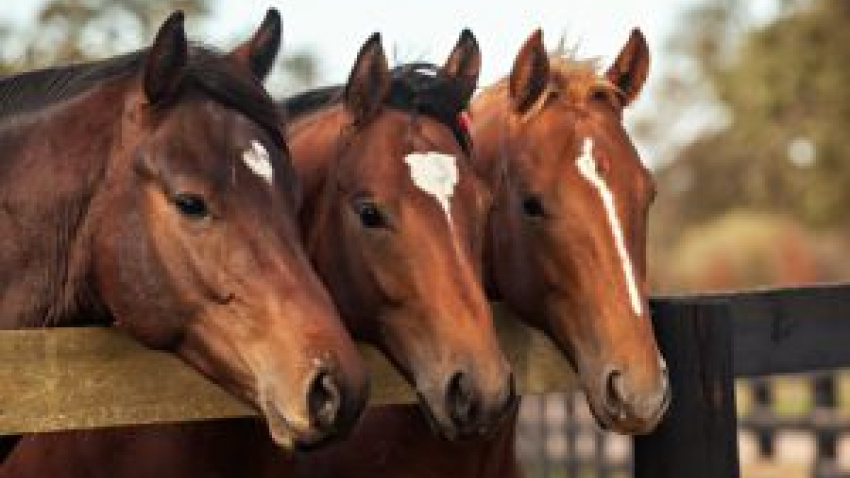

Strict quarantine measures and rapid veterinary surveillance in the Western Cape have successfully contained an outbreak of African Horse Sickness (AHS) in the Cederberg Local Municipality, preventing the deadly virus from breaching South Africa’s critical disease-free and surveillance zones.
According to the Western Cape Department of Agriculture, laboratory testing of 122 equines has confirmed five cases of AHS virus serotype 7 across two properties, resulting in three equine fatalities. Six additional suspect cases remain under investigation. Crucially, however, all cases remain strictly confined within a 30-kilometre radius of the initial index property.
A Multi-Agency Containment Effort
Preventing the spread of AHS—a vector-borne viral disease transmitted by Culicoides biting midges—requires aggressive movement controls. A coordinated task force comprising Western Cape Veterinary Services, the national Directorate Animal Health, the South African Equine Health and Protocols NPC (SAEHP), SAPS Stock Theft and Endangered Species units, and Provincial Traffic is actively enforcing quarantine protocols across the Cederberg region.
Under current regulations, no horse, mule, or donkey may enter, exit, transit through, or move within the containment zone without an official veterinary permit. Roadblocks and vehicle monitoring remain active, and AHS vaccinations remain strictly prohibited within the containment zone and the broader AHS controlled area to prevent masking clinical signs or interfering with surveillance diagnostics.
Why Containment Matters for the Agricultural Economy
For the Western Cape’s agricultural and equine sectors, keeping the virus out of the province’s AHS surveillance and free zones carries immense economic weight. South Africa’s international equine trade relies entirely on the integrity of the Western Cape’s AHS-controlled zones, centred around Cape Town, which serve as the nation’s sole gateway for direct equine exports.
Any breach into the surveillance or free zones would trigger immediate international trade suspensions, halting the lucrative movement of thoroughbreds, sport horses, and breeding stock. Because state veterinarians and export authorities have demonstrated through weekly epidemiological assessments that the outbreak is isolated, international trading partners remain confident in the region’s biosecurity. Consequently, scheduled equine exports to Mauritius on 11 December 2026 and to the European Union in February 2027 remain on track.
Western Cape Minister of Agriculture, Economic Development and Tourism, Dr Ivan Meyer, noted that the containment is encouraging for both local livelihoods and international trading partners, crediting the vigilance of farmers, veterinarians, and law enforcement.
Vigilance on the Ground
While AHS poses zero risk to human health or food safety, it remains devastating to equids. Authorities urge farmers and horse owners across the province to maintain strict biosecurity and vector-control routines. Practical preventative measures include:
- Stabling: Keep horses indoors from two hours before sunset until two hours after sunrise, when biting midges are most active.
- Habitat Management: Keep animals away from low-lying, wet, or marshy areas where midges breed.
- Repellents: Apply approved insect repellents and insecticides regularly.
Farmers must immediately report any unexplained equine deaths or clinical symptoms—such as high fever, swelling around the head, eyes, or neck, breathing difficulties, or colic—to a State or private veterinarian to ensure the Western Cape’s vital equine industry remains protected.
Historic Milestone: 90% of National Cattle Herd Vaccinated Against Foot and Mouth Disease