

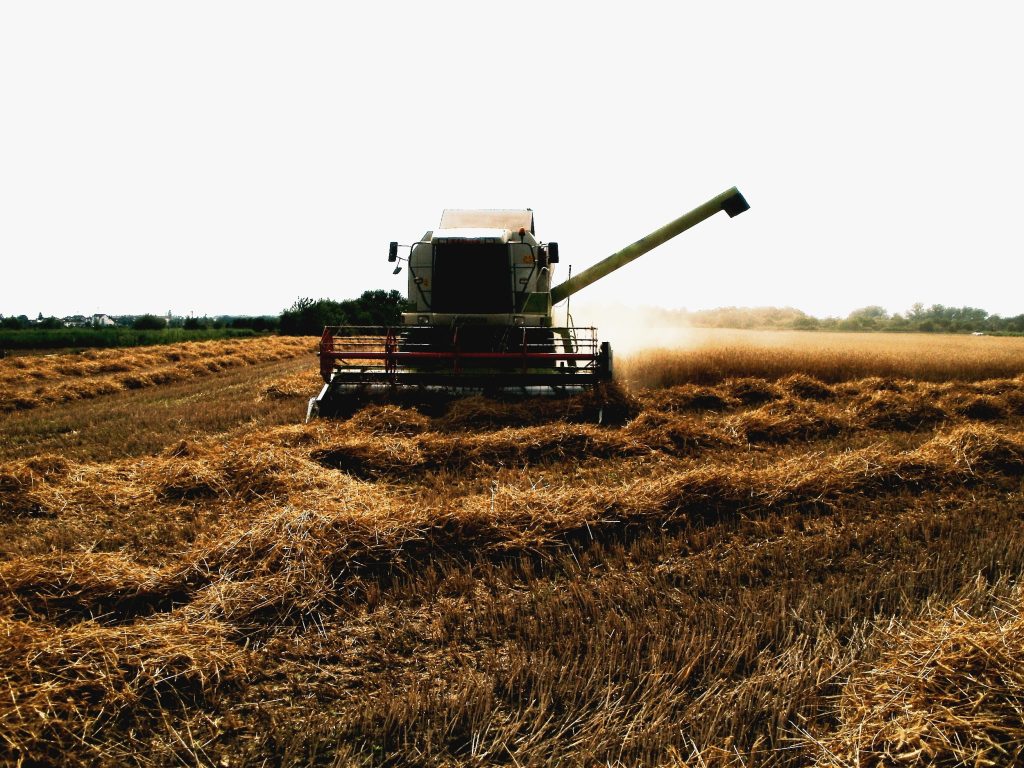

Grain SA has issued an urgent appeal for coordinated intervention across the agricultural value chain, warning that South Africa’s wheat producers are out of financial runway and cannot absorb another loss-making season. Following consecutive years of erratic weather, high input costs, and depressed global grain prices, the organisation warns that without immediate support from financiers, buyers, and policymakers, the country risks permanent damage to its domestic wheat production capacity.
Harvest Forecast Drops to Eight-Year Low
South Africa’s expected 2026 wheat harvest stands at just 1.81 million tonnes—the smallest crop in eight years. In the Western Cape, the engine room of the country’s winter grain sector, provincial yields are averaging roughly 2.65 tonnes per hectare (t/ha).
Yields Fall Far Short of Break-Even
These provincial averages sit well below the estimated break-even thresholds of 3.2 t/ha in the Swartland and 3.56 t/ha in the Overberg and Southern Cape. Worse still, these break-even calculations exclude the heavy additional costs incurred by farmers forced to replant and re-fertilise fields after severe rains.
Swartland Farms Out of Financial Reserves
After successive difficult seasons, reserves on many commercial farms—particularly in the Swartland—are completely exhausted, forcing producers to postpone essential machinery and capital replacements. Grain SA CEO Tobias Doyer emphasises that farmers lack the cash flow to wait years for systemic policy fixes to take effect, making immediate survival relief non-negotiable.
Superior Quality Penalised at the Farm Gate
Compounding the yield crisis is a severe disconnect between grain quality and producer prices. Research by the Bureau for Food and Agricultural Policy (BFAP), funded by Grain SA, found that South African wheat in the 2024/25 season delivered a 38% higher baking value and an 18% higher milling value than imported wheat.
The R700-Per-Tonne Pricing Gap
Despite superior processing performance, local farmers received an average price roughly 11%—or R700 per tonne—below the average import price. Grain SA is also challenging the routine deduction of SAFEX location differentials in the physical cash market, insisting that prices must reflect actual local market conditions and quality premiums.
Entire Agricultural Value Chain Under Threat
The collapse of primary wheat farms would send shockwaves far beyond the farm gate, threatening input suppliers, agribusinesses, millers, and rural towns. As Grain SA chairperson Richard Krige warns, “When one link is under pressure, it ultimately affects the sustainability of the entire chain.”
Slow Regulatory Reform vs Immediate Need
Grain SA is actively pursuing structural remedies, including testing an alternative wheat import tariff methodology under the confidential Section 7 process, backing Competition Commission market inquiries, and challenging JSE location differential rules in court. However, legal and regulatory processes move too slowly to rescue farms facing immediate insolvency.
Three Immediate Priorities for Survival
To keep productive operations running while structural reforms progress, Grain SA is demanding urgent action on three fronts:
- Tailored Financial Support: Banks and cooperatives—engaged by Grain SA since NAMPO Cape in September—must reject blanket policies and work early with individual farmers to restructure debt and protect productive capital.
- Fair Market Remuneration: Buyers must overhaul cash-market pricing practices to fairly reward superior local baking and milling quality.
- Accelerated Policy Reform: Policymakers must urgently address import tariff failures and futures market distortions.
Producers continue to invest heavily in resilient cultivars and modern agronomy. Now, the rest of the value chain must step up before South Africa loses the farmers who keep the nation fed.
Court Strikes Urgency: Grain SA Disputes Finding as Producers Remain Exposed