


The landscape of South African agriculture is undergoing a quiet but powerful transformation. From 20 to 24 April 2026, a high-level Dutch delegation—comprising researchers, farmers, policy experts, and tech innovators—traversed Gauteng and the Western Cape to cement a partnership focused on one goal: scaling regenerative agriculture.
Organized by the Embassy of the Kingdom of the Netherlands in South Africa and the Netherlands Enterprise Agency (RVO), the mission concluded with a resounding message: the transition to sustainable farming is not only underway but accelerating through collaboration.
From Theory to the Field
The week-long mission avoided the trap of “talk-only” diplomacy by grounding discussions in real-world application. After strategic briefings in Pretoria with key sector bodies like AgriSA, FruitSA, GrainSA, and the Red Meat Industry Association, the delegation moved into the heart of South African production.
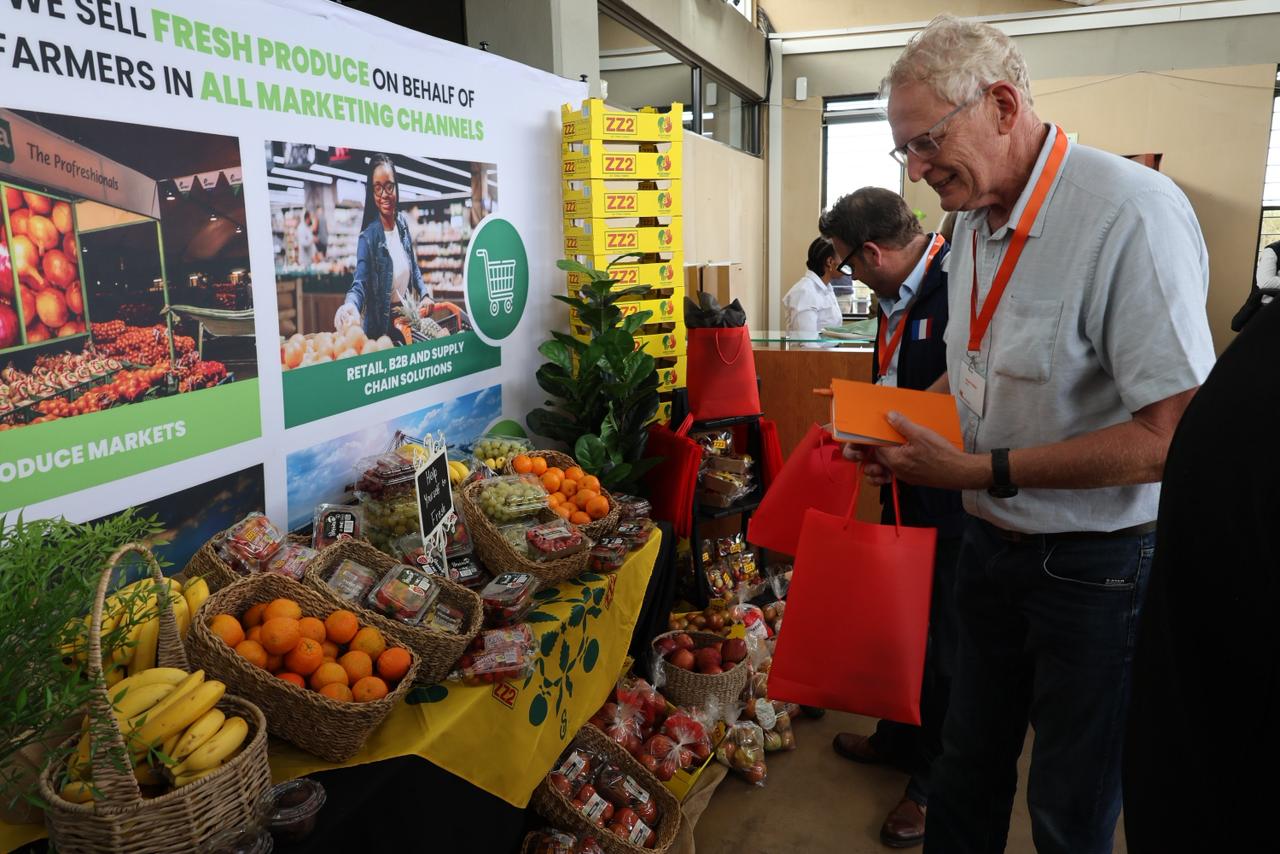
Site visits to ZZ2 and Schoeman Boerdery in Delmas allowed the delegation to witness regenerative principles in action across different scales, from intensive research environments to massive commercial operations. These visits highlighted a core takeaway: regenerative agriculture is not a “one-size-fits-all” solution, but a context-driven approach requiring continuous local adaptation and collaboration.
Addressing the “Bankability” Gap
While the ecological benefits of soil health and water conservation are increasingly clear, the mission identified a significant hurdle to widespread adoption: finance.
In robust dialogues with financial institutions including Nedbank, Standard Bank, and Invest International, stakeholders addressed the “bankability” of regenerative models. The mission emphasized that while benefits are evident, translating them into scalable business models remains a shared challenge—one that is essential to unlocking long-term impact.
The Role of Market Leaders and Viticulture
The mission also underscored the power of the value chain. Engagements with retailers like Woolworths showcased initiatives such as “Farming for the Future,” which uses market incentives and supply chain partnerships to drive farmer adoption.
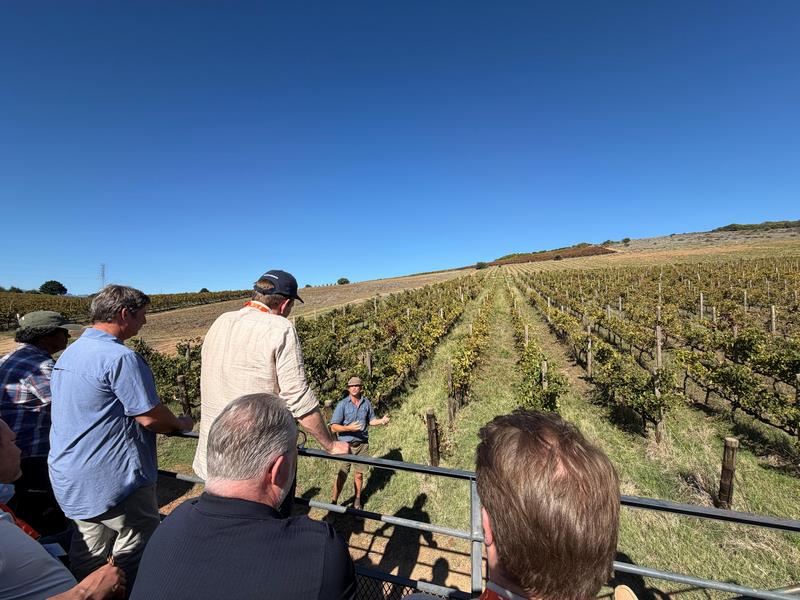
In the Western Cape, the focus shifted to the wine industry. A visit to Hartenberg Wine Estate illustrated how viticulture is becoming a leader in the transition, with practices like cover cropping already widely utilized to build resilient ecosystems.
A Foundation for Long-Term Cooperation
The mission concluded with a reflection on the shared, yet distinct, challenges faced by both the Netherlands and South Africa. While the environmental contexts differ, the combined expertise of both nations creates a powerful engine for innovation.
The road ahead is paved with joint pilots and research collaborations involving Dutch entities such as Wageningen, Delphy, and ReGeNL. As the delegation returns to the Netherlands, the mission marks not an end, but a beginning of a longer-term process to advance climate-smart agriculture.